

A roach on the dining room floor or a mouse near the kitchen can turn into a bad review or a problem at your next health inspection. Ehlers provides restaurant pest control in Milwaukee and across Southeastern Wisconsin, starting with an inspection that finds where pests are getting in and what’s drawing them.
We work with independently owned restaurants and small pubs, along with their kitchens and storage areas. We’re selective about the restaurant accounts we take on, so each one gets the attention it needs.
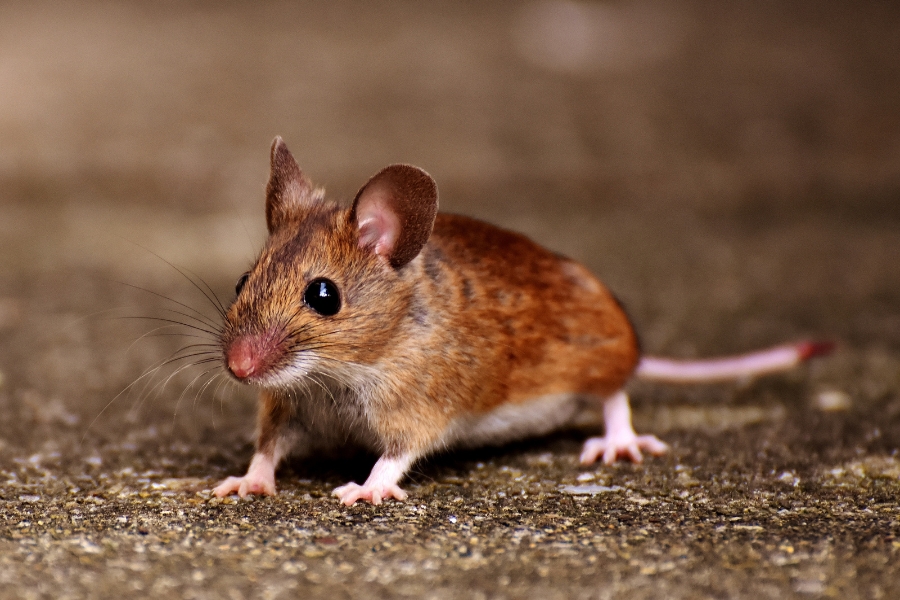
Mice and rats are drawn to food storage and the warmth of kitchen equipment. They chew through packaging and wiring, and they don’t leave on their own once they’ve found a reliable food source.
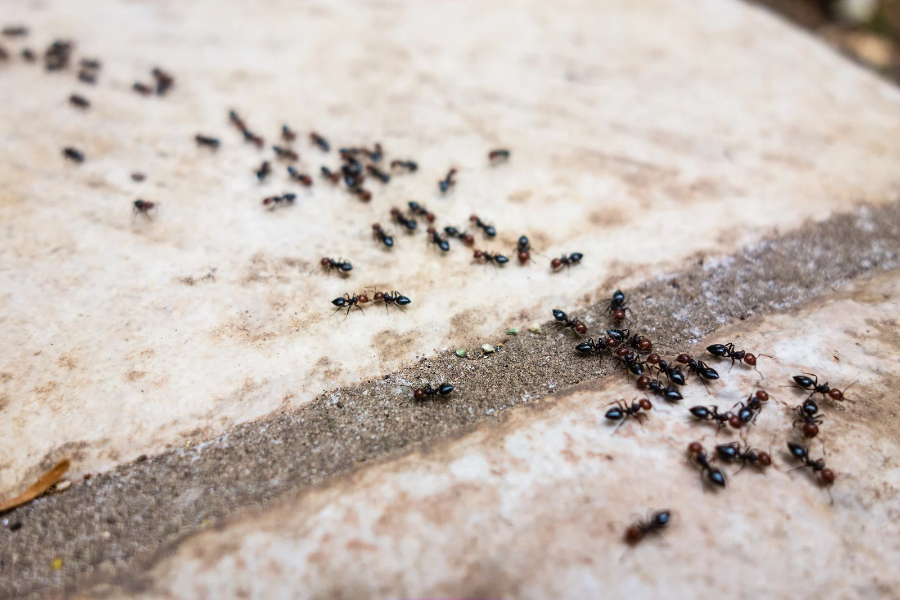
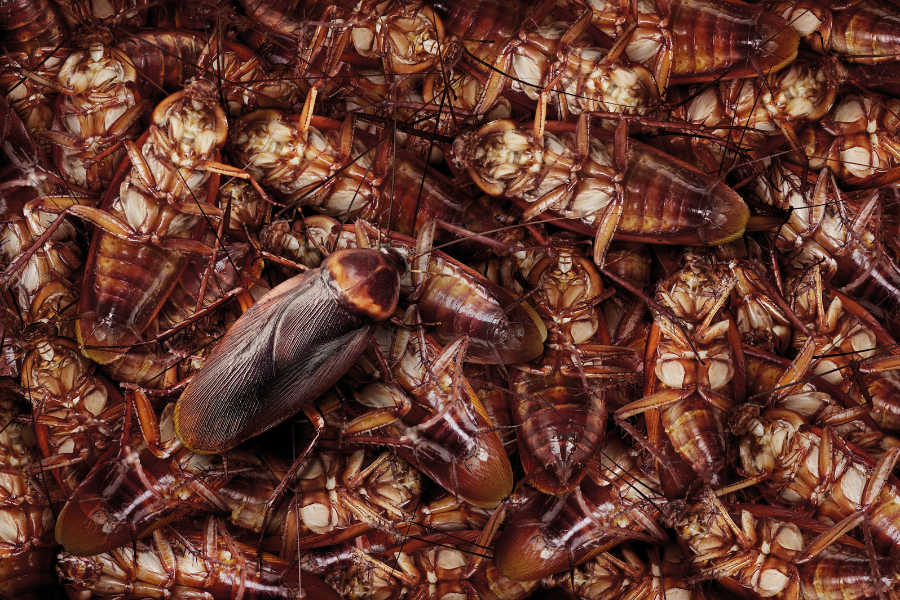
Cockroaches contaminate food and surfaces, spread quickly through shared walls and plumbing, and a single sighting by a customer can do lasting damage to a restaurant’s reputation.
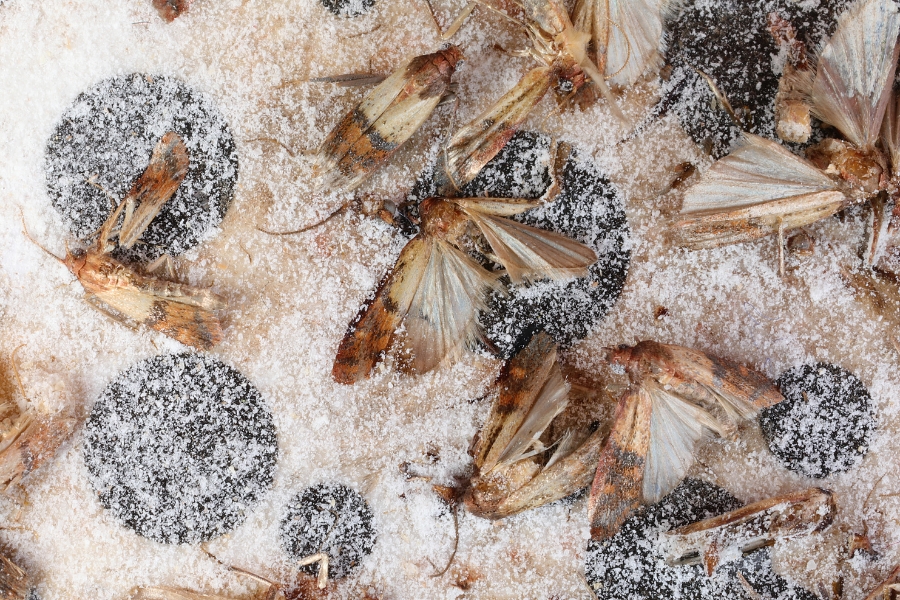
Beetles and moths that come in on deliveries and spread through flour, grains and other dry goods. Catching them early limits how much product you have to throw out.
Every account starts with a full inspection of your kitchen, storage areas and the outside of the building. We find where pests are getting in and what’s drawing them, then recommend a plan based on what we find.
Most restaurant accounts move to monthly service from there. Pests in a food environment rarely show up just once, and regular visits help you stay ahead of problems between inspections.
General pest control is applied while your restaurant runs. Some specialty treatments, like cockroach work, need the kitchen closed, both for safety and so the treatment has time to work.
That’s why we work with restaurants that are closed at least one day a week, or have that capability if the problem arises. We’re also not staffed for overnight service, so 24-hour restaurants that can’t close for treatment aren’t a good fit for us.
Ehlers uses Integrated Pest Management (IPM) for all commercial pest control. It’s an ongoing process that finds the root cause of a pest problem and treats it where pests are active, using chemical treatments where they’re needed.
We start by learning about your property, your operations, and what you're dealing with so we can build the right plan for your facility.
We inspect your property to identify what pests are present, where they're coming from, and how significant the problem is.
We implement the right combination of treatments and preventative measures to eliminate active pests and stop more from getting in.
We review the results, monitor for new activity and adjust the approach as needed.
Pest proofing, also called exclusion, seals the gaps pests use to get in. In restaurants, the usual trouble spots are delivery doors, gaps where utilities enter the building and the area around dumpsters. The technician will point these out during the inspection, and sealing them is available as a separate service when it makes sense for your building.
For general pest control, no. Some specialty treatments, like cockroach work, need the kitchen closed, both for safety and so they have time to work. We’ll tell you before anything is scheduled so you can plan around it.
Usually not. We’re not staffed for overnight service, and some treatments need the kitchen closed, so 24-hour restaurants that can’t close for treatment aren’t a good fit.
Most restaurant accounts are on monthly service. Food storage, prep areas, and constant deliveries create ongoing risk, so consistent visits matter more here than in most other commercial settings.