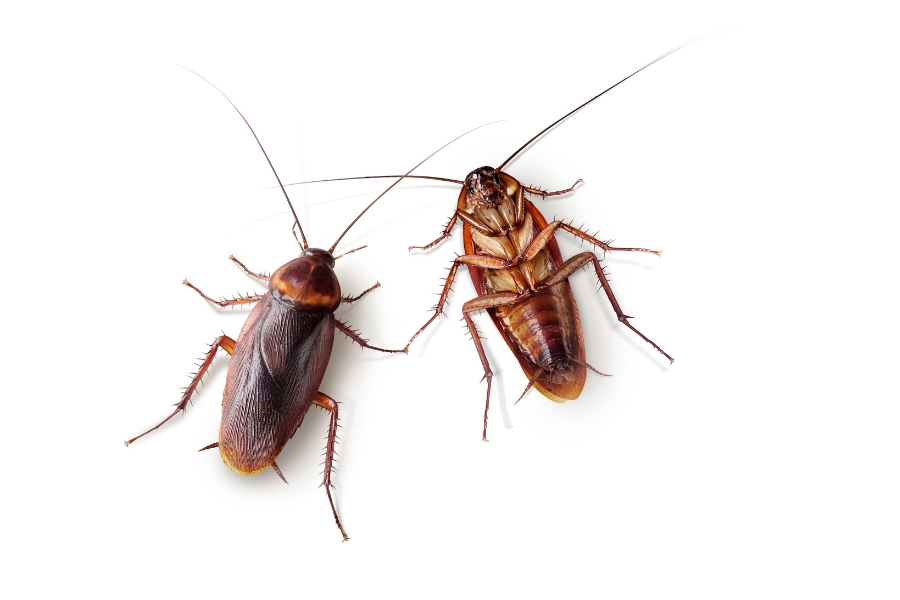
Cockroach Exterminator in Milwaukee & Southeastern Wisconsin
Locally Owned Pest Control Service for All Cockroach Species
Ehlers Pest Management is a cockroach exterminator in Milwaukee and across Southeastern Wisconsin, treating homes, rental properties and businesses. A certified technician inspects to find out which roaches you have and where they’re living, then treats on a set schedule. We keep coming back and monitoring until there’s been no activity for eight weeks, so you know the problem is resolved.
We’re locally owned and veteran-owned, and we’ve been treating Wisconsin homes and businesses since 2010.
Most people find signs of roaches before they see many of them. Watch for:
Droppings that look like coffee grounds or black pepper, usually in cabinets, drawers and along baseboards
A musty, oily smell in the kitchen or bathroom
Brown, oblong egg cases tucked into corners, cracks or behind appliances
Roaches out during the day. They usually hide in daylight, so seeing them can mean there are a lot of them
What Kind of Cockroaches Live in Wisconsin Homes?
American Cockroaches
Growing up to 2 inches long, the American cockroach commonly nests in warm, damp basements, crawl spaces and sewers. The American cockroach is an omnivorous scavenger, eating virtually anything. It often possesses disease-causing bacteria resulting from the unsanitary conditions it lives in.
Brown Banded Cockroaches
Brown-banded cockroaches are light brown with lighter-colored stripes across the wings, growing up to a ½ inch long. They are building dwellers, commonly found in moist kitchens, bathrooms, and basements, but they can survive in drier areas like bedrooms, closets, bookcases, etc.
German Cockroaches
German cockroaches are light to medium brown with two dark stripes on the thorax, growing up to 5/8 inches long. They prefer to nest in environments where heat, moisture, or food is present such as apartments, homes, supermarkets, and restaurants. They usually find their way in through pipes, used furniture, grocery bags, and cardboard boxes.
Oriental Cockroaches
Oriental cockroaches are reddish-brown or black and measure up to 1 inch in length. Only the males have brown wings. In summer, Oriental cockroaches prefer the outdoors, nesting in piles of firewood and debris, sheds, dog houses, sewers, storm culverts, and buildings. In homes, they nest in damp, secluded basements, crawl spaces, sump pumps, and attics.
A certified technician inspects to identify the type of cockroach, where they're living and how they're getting around.
2. You Prepare Before Each Visit
Cabinets get emptied, clutter gets cleared and everyone leaves during the treatment. The technician will go over exactly what to do ahead of time.
3. We treat every two weeks
Visits continue every two weeks while there's activity, so we reach new roaches as the eggs hatch.
4. We monitor until it's resolved
We consider the problem resolved after eight weeks with zero activity.
Why do Cockroaches Keep Coming Back?
Roaches live in tight spaces you can’t easily reach: behind appliances, under sinks, inside cabinet hinges and in wall voids. Their egg cases hatch weeks after they’re laid, so one treatment rarely reaches every roach.
Store-bought sprays and bug bombs mostly hit the roaches you can see. The rest stay hidden, and new ones keep hatching. That’s why our treatment runs on a schedule instead of a single visit.
When Should You Call a Cockroach Exterminator in Milwaukee?
If you’ve used sprays or baits and you’re still seeing roaches after a couple of weeks, they’re likely living somewhere those products can’t reach. The same goes if you’re seeing them during the day or finding egg cases. At that point, a scheduled treatment will do more than another round of store-bought products.
Do you treat cockroaches in apartments & rental properties?
Yes. Most of our cockroach work for landlords and property managers is in multi-unit buildings, where roaches travel through plumbing and shared walls. We monitor the units around the problem unit too, so the roaches don’t just move next door and come back.
Frequently Asked Questions About Cockroach Treatment
Do I need to leave during treatment?
Yes, during each treatment visit. The technician will tell you how long to stay out and what to do before they arrive.
How long does cockroach treatment take?
Treatments run every two weeks while there’s activity. We consider the problem resolved after eight weeks with zero activity.
Do cockroaches mean my home is dirty?
No. Roaches come in on cardboard boxes, grocery bags and used appliances, and in multi-unit buildings they travel through shared walls. Food and clutter make it easier for them to stay, which is why preparation is part of the treatment.
Ready to Get Rid of roaches?
Schedule service or talk to our experienced team at (414) 303-6926.
A certified technician will inspect, tell you what you’re dealing with and walk you through the treatment plan.