

Spring is when many homeowners start noticing pest activity, but by the time pests are visible, they’re often already established. That’s why preventative pest control is most effective when it’s done before peak spring activity begins.
As winter ends, pests don’t suddenly appear—they transition. Rodents that entered homes during winter remain active, while insects begin emerging as temperatures rise and moisture increases. Early spring provides the perfect conditions for pests to expand their activity quietly before becoming noticeable.
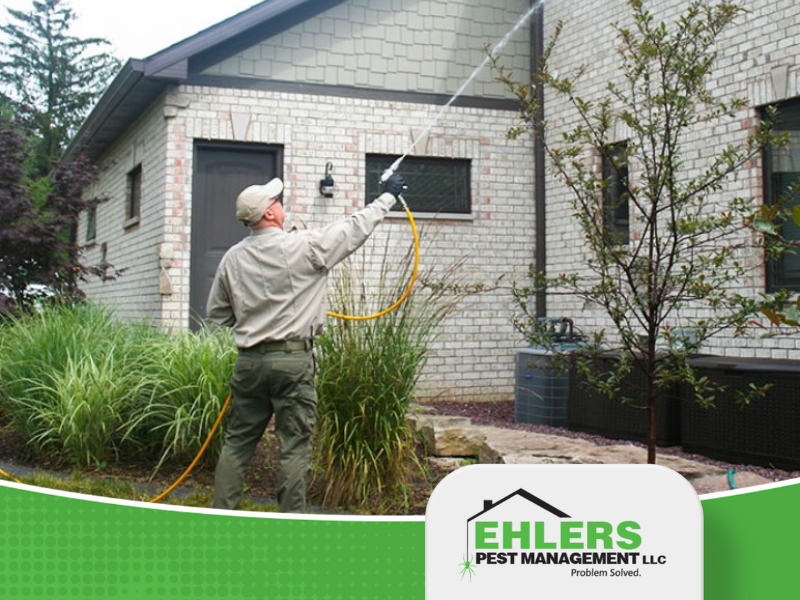
Preventative pest control focuses on stopping problems before they grow. Instead of reacting to visible pests, early treatments target entry points, nesting areas, and conditions that attract pests. This includes sealing small gaps created by winter freeze–thaw cycles, addressing moisture around foundations, and reducing food sources that pests rely on.
One of the biggest advantages of early prevention is population control. Ant colonies, rodents, and other pests reproduce more rapidly once spring conditions stabilize. Addressing activity before breeding increases helps prevent small issues from becoming widespread problems later in the season.
Another benefit is reduced damage. Rodents can chew on insulation and wiring, while insects can contaminate storage areas and living spaces. Preventative service limits how long pests have access to these areas, reducing the risk of costly repairs.
Timing also matters for effectiveness. Early spring treatments take advantage of predictable pest behavior, allowing control measures to work more efficiently. When pests are just becoming active, they’re easier to manage than during peak summer months.
For homeowners, preventative pest control means fewer surprises, less stress, and more consistent protection throughout the year. It also supports a healthier living environment by reducing pest-related contamination and indoor activity.
Waiting until pests become a nuisance often means playing catch-up. Starting preventative pest control before peak spring activity helps keep homes protected as the season progresses and makes pest management simpler and more effective overall.