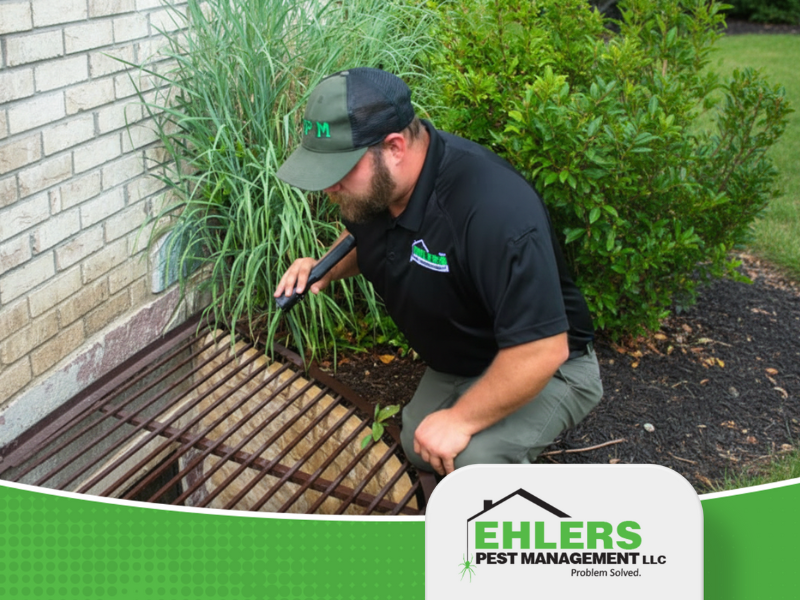
Spring is the season of fresh starts, making it the perfect time for home maintenance. While many homeowners focus on cleaning and outdoor projects, spring is also one of the best opportunities to reduce pest problems for the rest of the year. Small maintenance tasks completed now can significantly limit pest activity through summer, fall, and even winter.
One of the most important steps is inspecting and sealing entry points. Winter freeze–thaw cycles often create small cracks around foundations, siding, windows, doors, and utility lines. Sealing these gaps in spring helps block access for ants, rodents, spiders, and other pests before activity peaks.
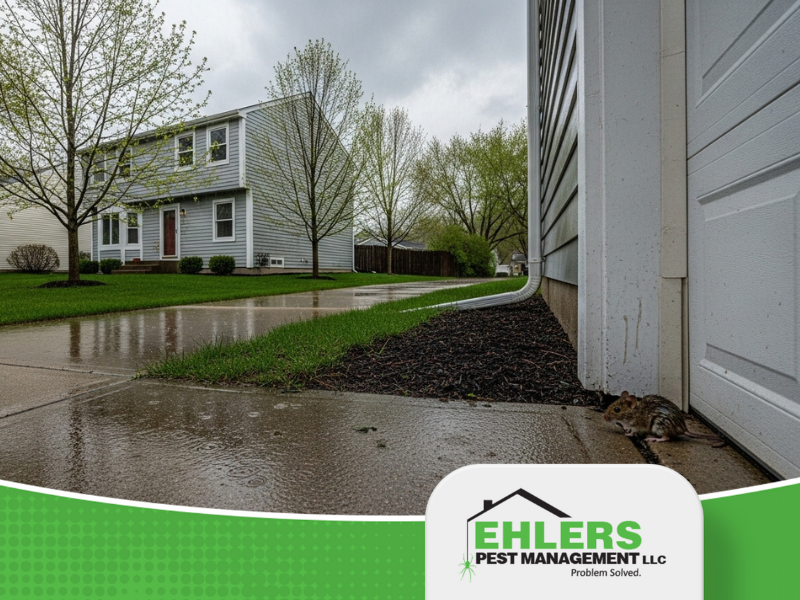
Managing moisture is another key factor. Spring rain and snowmelt can lead to damp soil, standing water, and basement moisture. Clearing gutters, extending downspouts away from the foundation, and addressing poor drainage reduces conditions that attract pests. Indoors, fixing leaks and improving ventilation helps keep moisture-seeking pests away.
Yard maintenance also plays a major role. Trimming back vegetation, removing leaf litter, and keeping mulch a few inches away from the foundation limits hiding places and nesting areas near the home. Firewood should be stored off the ground and away from structures to discourage rodents and insects.
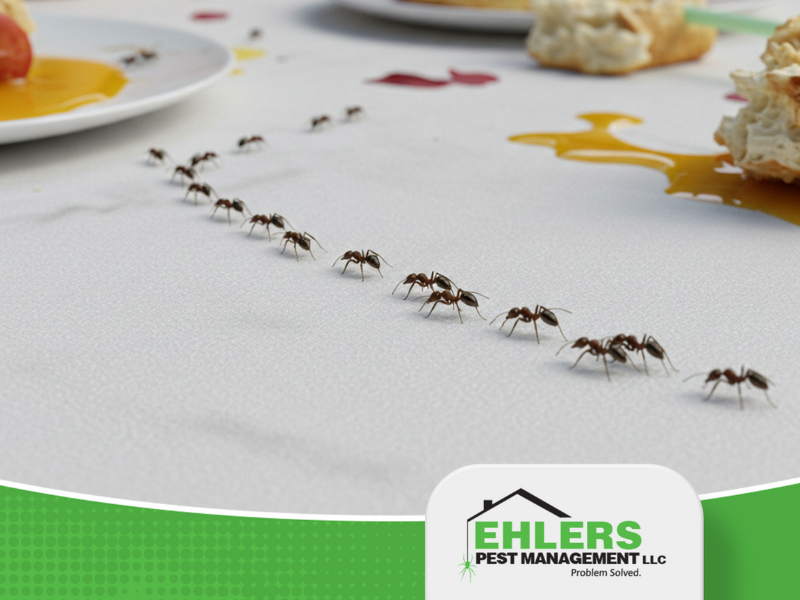
Inside the home, spring is a great time to reduce clutter and improve sanitation. Storage areas like basements, garages, and attics provide ideal nesting spots if cluttered. Keeping food sealed, crumbs cleaned up, and storage organized helps remove attractants that pests rely on.
Screens and vents should also be checked. Repairing damaged window screens and ensuring vents are properly covered prevents pests from entering as windows are opened more frequently during warmer months.
These tasks may seem small, but together they create a strong barrier against pests. When combined with preventative pest control, spring maintenance helps reduce the need for reactive treatments later in the year.
Spring home maintenance isn’t just about appearance—it’s about protection. Taking proactive steps now makes your home less inviting to pests and helps maintain a more comfortable, pest-free environment all year long.