Categories Uncategorized

Why One Mouse in February Usually Means More by Spring

Seeing a mouse in your home during February can be easy to dismiss. Cold weather drives mice indoors, and many homeowners assume a single mouse is just a fluke. In reality, one mouse in winter often signals a much larger problem developing behind the scenes.

Mice do not hibernate during Wisconsin winters. Once they find warmth, shelter, and a food source inside a home, they settle in and remain active. February is especially important because mice that entered earlier in the winter may already be nesting in wall voids, attics, basements, or crawl spaces.

A single mouse is rarely alone. Mice are social and reproduce quickly when conditions are right. Indoor environments provide stable temperatures that allow breeding to continue year-round. By the time spring arrives, a small winter presence can turn into a noticeable population, even if activity seemed quiet at first.

Winter conditions also make detection harder. Mice tend to travel inside walls and along hidden pathways, leaving little visible evidence early on. Homeowners may not notice signs until warmer weather increases activity, odors become noticeable, or damage is discovered.

Wisconsin’s freeze–thaw cycles add to the risk. Small gaps can open around foundations, siding, vents, and utility lines during winter, creating multiple entry points. Once mice gain access, they often return to the same location year after year if openings remain unsealed.

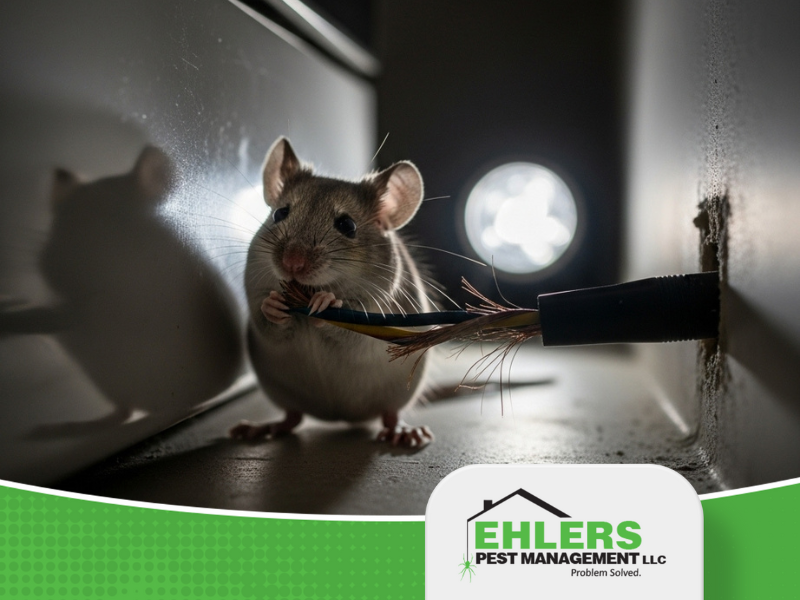
Ignoring a mouse sighting in February can lead to increased damage by spring. Chewed insulation, contaminated areas, and wiring damage often go unnoticed until the problem has grown.

Early intervention is key. Addressing mouse activity during winter helps prevent breeding, limits damage, and reduces the likelihood of ongoing issues once warmer weather arrives. Sealing entry points, improving sanitation, and professional inspection can make a significant difference.

If you spot a mouse in February, it’s usually not just a winter inconvenience—it’s an early warning. Taking action now can help protect your home and keep spring pest problems from multiplying.

Categories Uncategorized

Why Mice Are Still Active Indoors During Wisconsin Winters

When temperatures drop across Wisconsin, many homeowners assume pests disappear until spring. Unfortunately, mice don’t follow that rule. In fact, winter is one of the most active seasons for indoor mouse activity—especially in areas like Milwaukee and surrounding communities.

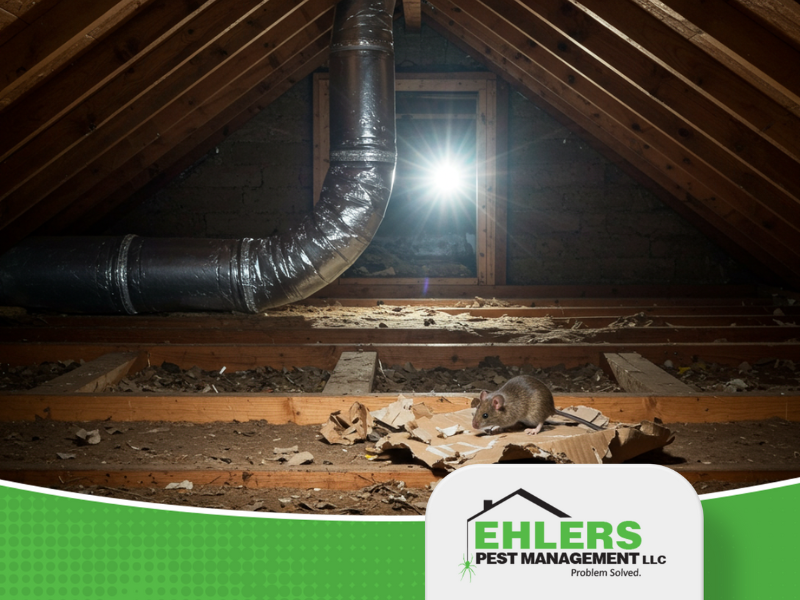
As outdoor food sources disappear and cold weather sets in, mice shift their focus indoors. Homes offer exactly what they need to survive winter: warmth, shelter, and reliable access to food. Once inside, mice can remain active all winter long, quietly nesting inside walls, basements, attics, and crawl spaces.

One of the biggest reasons winter mouse problems go unnoticed is that activity often happens out of sight. Mice typically travel behind walls, under appliances, and along utility lines. Homeowners may not realize there’s an issue until they hear scratching sounds, notice droppings, or discover chewed food packaging.

Wisconsin homes are particularly vulnerable during winter because of how buildings expand and contract during freeze–thaw cycles. Small gaps can open up around foundations, siding, vents, and utility entry points—creating easy access for mice. Even an opening the size of a dime is enough for a mouse to squeeze through.

Another factor is reproduction. Mice do not hibernate, and indoor conditions allow them to breed year-round. A small winter problem can quietly grow into a much larger issue by spring if left unaddressed.

The best way to manage winter mouse activity is through prevention and early intervention. Sealing entry points, reducing clutter, storing food properly, and addressing moisture issues all help reduce attraction. Professional pest control adds another layer of protection by identifying hidden entry points and nesting areas that are easy to miss.

If you’re noticing signs of mice during winter, it’s not something to ignore. Addressing the issue now helps protect your home, prevent damage, and reduce the likelihood of ongoing problems when warmer weather returns.

Winter may feel quiet outside—but indoors, mice are very much awake.

Categories Uncategorized

What to Look for When Choosing the Best Exterminator in Wisconsin

Finding the right exterminator in Wisconsin is more than just calling the first company that shows up in a search. With the state’s blend of urban centers, lakefront communities, farmland, and dense woodlands, pest challenges can vary widely—from rodents in Milwaukee to carpenter ants in the Northwoods. Choosing the best pest control provider requires knowing what qualities separate true professionals from companies offering quick, unreliable fixes.

Start with proper licensing and certification. In Wisconsin, exterminators must hold state-issued licenses that verify they’re trained to use pesticides safely and effectively. A reputable company will readily share proof of these credentials and keep them updated.

Experience is equally important. Look for a provider with a strong track record handling Wisconsin-specific pests—mice, rats, carpenter ants, spiders, wasps, cluster flies, boxelder bugs, and more. Local knowledge gives technicians insight into seasonal patterns, common entry points, and regional problem areas.

Another key factor is the company’s inspection process. High-quality exterminators don’t rush. They take time to understand the root cause of an infestation, identify conducive conditions, and tailor a treatment plan to your home. If a provider offers a “one-size-fits-all” spray without inspecting your property, that’s a red flag.

Be sure to ask about treatment methods and products. The best exterminators use techniques, targeted applications, and materials that are both effective and safe for families and pets. They should be transparent about what they use and why.

Customer service also matters. A dependable exterminator communicates clearly, arrives on time, provides detailed explanations, and follows up when needed. Look for companies that prioritize education—helping you understand prevention, maintenance, and long-term solutions.

Finally, consider service plans. Wisconsin’s pest pressures are highly seasonal, so ongoing protection—quarterly or seasonal treatments—can be more effective and affordable than one-time visits. Good exterminators offer plans that focus on prevention rather than just reacting to infestations.

Choosing the best exterminator in Wisconsin means choosing quality, reliability, and local expertise. With the right provider, you can protect your home year-round and stay ahead of the state’s ever-changing pest challenges. Contact Ehlers Pest Management Today!

Categories Uncategorized

How Often Should You Schedule Pest Control

Keeping your home free from pests isn’t just about reacting when you see a bug—it’s about preventing problems before they start. But determining how often to schedule pest control can feel overwhelming. The truth is, pest activity changes throughout the year, and the right frequency depends on your home’s unique needs. Here’s a clear guide to choosing the schedule that offers the best protection.

For most homeowners, quarterly pest control is the ideal baseline. Treatments every three months maintain a strong barrier around your home, keeping out common invaders like ants, spiders, centipedes, beetles, and occasional rodents. Since most professional products last about 90 days, quarterly visits ensure your home stays protected without unnecessary service.

If you live in an area with heavy warm-season pest activity—or simply want extra seasonal protection—consider seasonal service, which typically means monthly visits from April through October. These months bring the highest pest pressure: ants surge in spring, wasps and spiders peak in summer, and rodents begin seeking indoor shelter in early fall. Seasonal monthly treatments keep you ahead of every wave of activity.

For more active pest environments or homes that have experienced recurring issues, monthly pest control is a smart choice. This frequency is especially helpful for properties near wooded areas, lakes, restaurants, or older structures with multiple entry points. Monthly treatments disrupt pest life cycles, reduce pressure around your home, and provide ongoing monitoring to catch problems early.

In rare but urgent cases, weekly pest control may be necessary. This level of service is typically recommended for severe infestations—such as cockroaches, fleas, or significant rodent activity—where quick, repeated treatments are needed to gain control. Weekly visits allow technicians to respond rapidly, adjust treatments as the situation evolves, and ensure pests are eliminated as efficiently as possible.

No matter which frequency you choose, consistent pest control is always more effective than a one-time treatment. A customized schedule keeps your home protected year-round, prevents costly infestations, and gives you peace of mind knowing professionals are watching out for your property.