Categories Uncategorized

Why Mice Are Still Active Indoors During Wisconsin Winters

When temperatures drop across Wisconsin, many homeowners assume pests disappear until spring. Unfortunately, mice don’t follow that rule. In fact, winter is one of the most active seasons for indoor mouse activity—especially in areas like Milwaukee and surrounding communities.

As outdoor food sources disappear and cold weather sets in, mice shift their focus indoors. Homes offer exactly what they need to survive winter: warmth, shelter, and reliable access to food. Once inside, mice can remain active all winter long, quietly nesting inside walls, basements, attics, and crawl spaces.

One of the biggest reasons winter mouse problems go unnoticed is that activity often happens out of sight. Mice typically travel behind walls, under appliances, and along utility lines. Homeowners may not realize there’s an issue until they hear scratching sounds, notice droppings, or discover chewed food packaging.

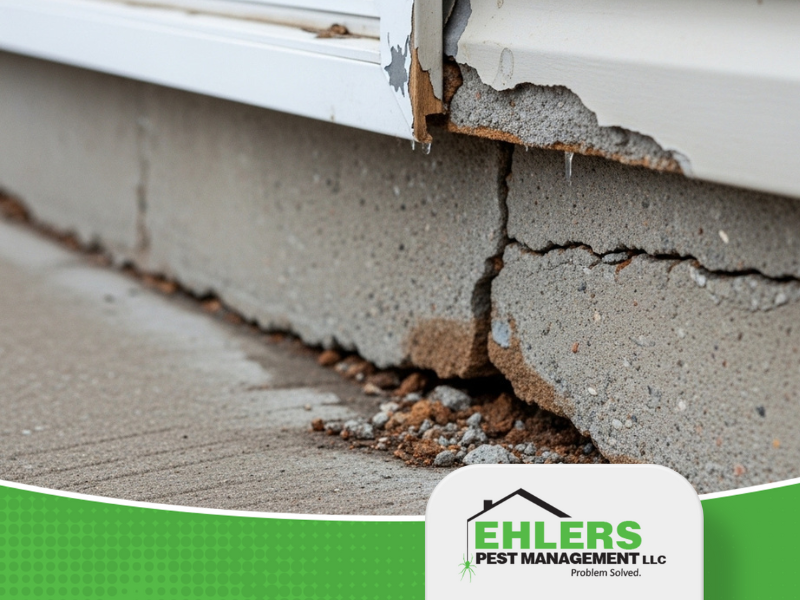
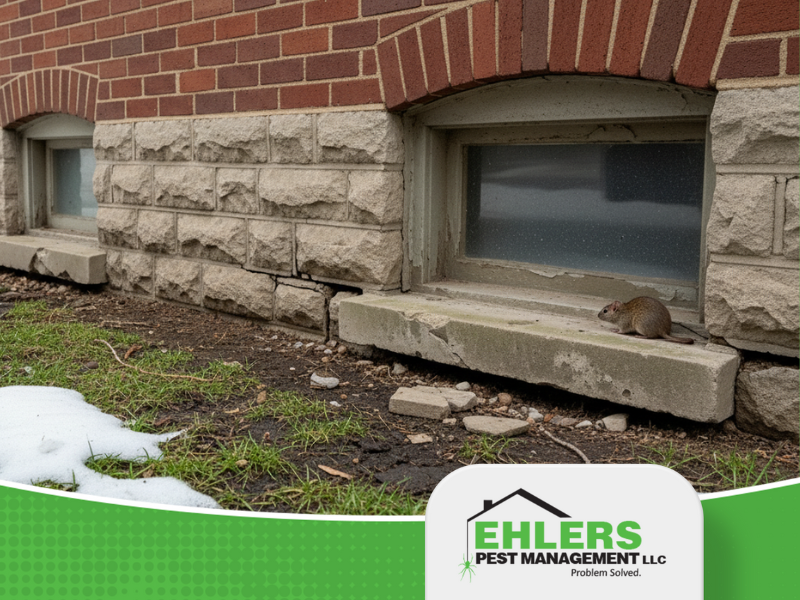
Wisconsin homes are particularly vulnerable during winter because of how buildings expand and contract during freeze–thaw cycles. Small gaps can open up around foundations, siding, vents, and utility entry points—creating easy access for mice. Even an opening the size of a dime is enough for a mouse to squeeze through.

Another factor is reproduction. Mice do not hibernate, and indoor conditions allow them to breed year-round. A small winter problem can quietly grow into a much larger issue by spring if left unaddressed.

The best way to manage winter mouse activity is through prevention and early intervention. Sealing entry points, reducing clutter, storing food properly, and addressing moisture issues all help reduce attraction. Professional pest control adds another layer of protection by identifying hidden entry points and nesting areas that are easy to miss.

If you’re noticing signs of mice during winter, it’s not something to ignore. Addressing the issue now helps protect your home, prevent damage, and reduce the likelihood of ongoing problems when warmer weather returns.

Winter may feel quiet outside—but indoors, mice are very much awake.

Categories Uncategorized

What to Look for When Choosing the Best Exterminator in Wisconsin

Finding the right exterminator in Wisconsin is more than just calling the first company that shows up in a search. With the state’s blend of urban centers, lakefront communities, farmland, and dense woodlands, pest challenges can vary widely—from rodents in Milwaukee to carpenter ants in the Northwoods. Choosing the best pest control provider requires knowing what qualities separate true professionals from companies offering quick, unreliable fixes.

Start with proper licensing and certification. In Wisconsin, exterminators must hold state-issued licenses that verify they’re trained to use pesticides safely and effectively. A reputable company will readily share proof of these credentials and keep them updated.

Experience is equally important. Look for a provider with a strong track record handling Wisconsin-specific pests—mice, rats, carpenter ants, spiders, wasps, cluster flies, boxelder bugs, and more. Local knowledge gives technicians insight into seasonal patterns, common entry points, and regional problem areas.

Another key factor is the company’s inspection process. High-quality exterminators don’t rush. They take time to understand the root cause of an infestation, identify conducive conditions, and tailor a treatment plan to your home. If a provider offers a “one-size-fits-all” spray without inspecting your property, that’s a red flag.

Be sure to ask about treatment methods and products. The best exterminators use techniques, targeted applications, and materials that are both effective and safe for families and pets. They should be transparent about what they use and why.

Customer service also matters. A dependable exterminator communicates clearly, arrives on time, provides detailed explanations, and follows up when needed. Look for companies that prioritize education—helping you understand prevention, maintenance, and long-term solutions.

Finally, consider service plans. Wisconsin’s pest pressures are highly seasonal, so ongoing protection—quarterly or seasonal treatments—can be more effective and affordable than one-time visits. Good exterminators offer plans that focus on prevention rather than just reacting to infestations.

Choosing the best exterminator in Wisconsin means choosing quality, reliability, and local expertise. With the right provider, you can protect your home year-round and stay ahead of the state’s ever-changing pest challenges. Contact Ehlers Pest Management Today!

Categories Uncategorized

How Often Should You Schedule Pest Control

Keeping your home free from pests isn’t just about reacting when you see a bug—it’s about preventing problems before they start. But determining how often to schedule pest control can feel overwhelming. The truth is, pest activity changes throughout the year, and the right frequency depends on your home’s unique needs. Here’s a clear guide to choosing the schedule that offers the best protection.

For most homeowners, quarterly pest control is the ideal baseline. Treatments every three months maintain a strong barrier around your home, keeping out common invaders like ants, spiders, centipedes, beetles, and occasional rodents. Since most professional products last about 90 days, quarterly visits ensure your home stays protected without unnecessary service.

If you live in an area with heavy warm-season pest activity—or simply want extra seasonal protection—consider seasonal service, which typically means monthly visits from April through October. These months bring the highest pest pressure: ants surge in spring, wasps and spiders peak in summer, and rodents begin seeking indoor shelter in early fall. Seasonal monthly treatments keep you ahead of every wave of activity.

For more active pest environments or homes that have experienced recurring issues, monthly pest control is a smart choice. This frequency is especially helpful for properties near wooded areas, lakes, restaurants, or older structures with multiple entry points. Monthly treatments disrupt pest life cycles, reduce pressure around your home, and provide ongoing monitoring to catch problems early.

In rare but urgent cases, weekly pest control may be necessary. This level of service is typically recommended for severe infestations—such as cockroaches, fleas, or significant rodent activity—where quick, repeated treatments are needed to gain control. Weekly visits allow technicians to respond rapidly, adjust treatments as the situation evolves, and ensure pests are eliminated as efficiently as possible.

No matter which frequency you choose, consistent pest control is always more effective than a one-time treatment. A customized schedule keeps your home protected year-round, prevents costly infestations, and gives you peace of mind knowing professionals are watching out for your property.

Categories Uncategorized

Affordable Pest Control in Milwaukee: What to Expect and How to Save

When it comes to protecting your home, affordable pest control doesn’t mean choosing the cheapest service—it means choosing the best value. In Milwaukee, where pests like rodents, ants, wasps, and spiders thrive through shifting seasons, homeowners often search for low-cost solutions. But as the saying goes, good pest control isn’t cheap, and cheap pest control isn’t good. Understanding what “affordable” truly means can help you make smart decisions that save you money in the long run.

Quality pest control is built on trained technicians, proper equipment, and proven treatments. Companies offering bargain-basement prices often cut corners—using weak products, skipping thorough inspections, or offering quick fixes instead of lasting solutions. While these services may seem appealing, they frequently lead to recurring infestations, repeat visits, and greater costs over time.

Ehlers Pest Management focuses on value over price. That includes detailed inspections, customized treatment plans, safe and effective products, and long-term prevention strategies. Instead of rushing through appointments, a professional technician takes time to identify the root cause of your pest issues, seal entry points, and explain preventative steps. This level of care is what separates true pest management from temporary “spray-and-go” services.

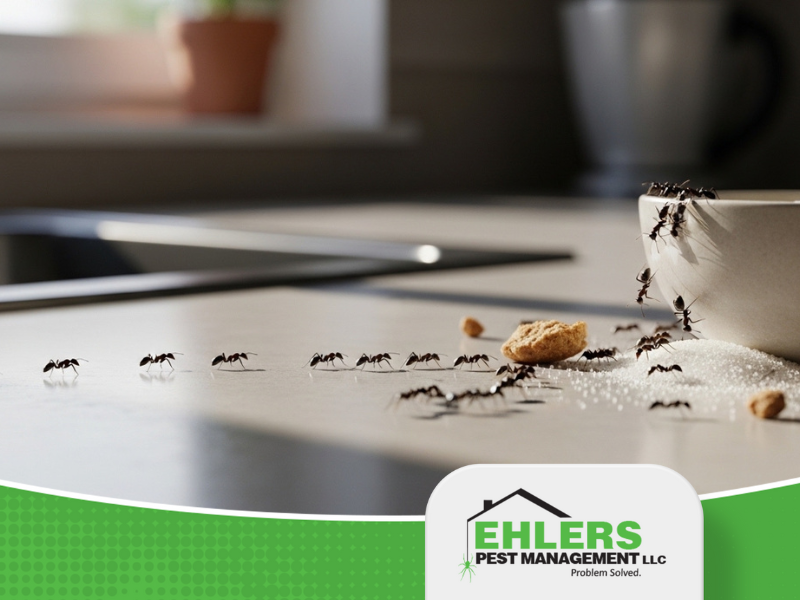
So how can you save money without sacrificing quality? Start by choosing a company that offers preventative service plans, such as quarterly or seasonal treatments. Routine protection is far more cost-effective than waiting for a full-blown infestation. You’ll also save by catching problems early—before ants take over the kitchen or rodents damage insulation.

Another smart strategy is to maintain your property between visits. Simple steps like sealing cracks, fixing moisture issues, storing food securely, and reducing clutter can lower pest pressure and keep treatments more effective.

Affordable pest control isn’t about the lowest price—it’s about long-lasting protection, fewer infestations, and confidence that your home is truly safeguarded. When you invest in quality service, you’re not just paying for a treatment—you’re paying for peace of mind, safety, and a home that stays pest-free year-round.

Categories Uncategorized

Winter Pest Problems in Milwaukee: How Rodents Sneak Indoors

When Milwaukee’s winter settles in and temperatures drop, humans aren’t the only ones looking for warmth. Rodents—especially mice and rats—begin searching for shelter, food, and nesting materials. Unfortunately, your home provides everything they’re looking for. Understanding how rodents sneak indoors is the first step in protecting your property during the cold months.

As winter progresses, rodents become bolder in their search for survival. Mice can squeeze through openings as small as a dime, while rats can flatten their bodies to slip through gaps the width of a quarter. In an older city like Milwaukee, where homes feature aging foundations, shifting soil, and decades of wear, tiny cracks and crevices are practically an open invitation.

Common entry points include gaps under garage doors, openings around utility lines, torn weather stripping, and poorly sealed basement windows. Even vent covers or dryer exhausts can provide just enough space for a determined mouse to wiggle through. Once inside, rodents gravitate toward warm, undisturbed areas such as attics, crawlspaces, behind kitchen appliances, or within wall voids. These hidden locations allow them to build nests and reproduce quickly—often before a homeowner even realizes they have company.

Winter rodent invasions aren’t just a nuisance. Rodents chew through wires, insulation, and stored belongings. Their droppings can contaminate food areas, and they may carry pathogens that pose health risks. In a season when families spend more time indoors, these hazards become even more concerning.

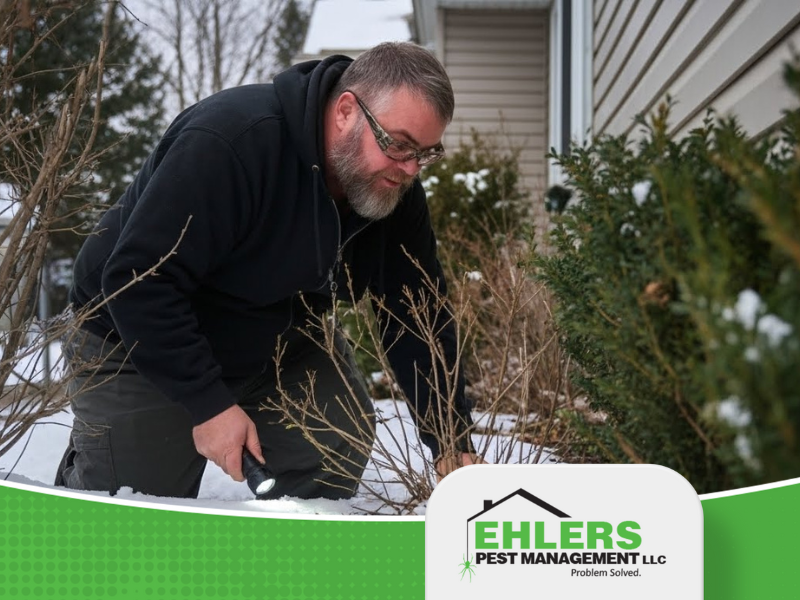
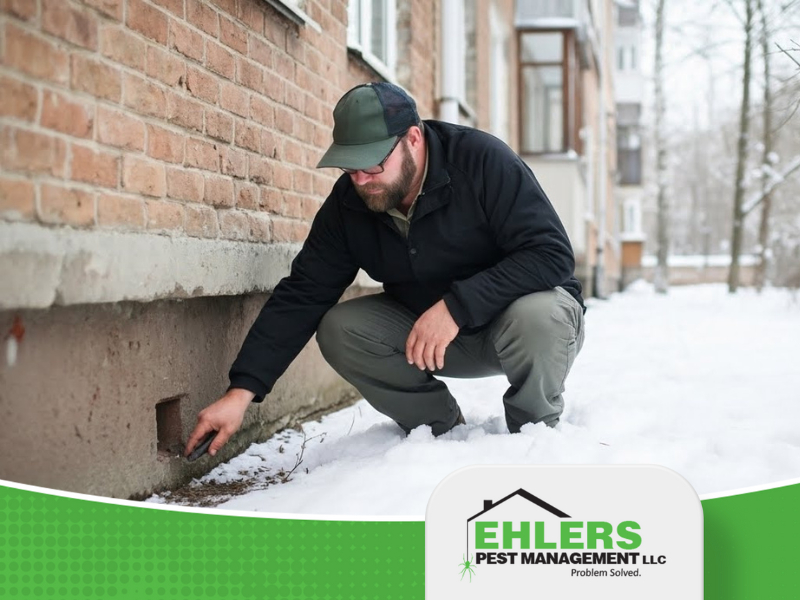
Prevention starts with a careful exterior inspection. Sealing gaps with steel wool or metal flashing, repairing crumbling mortar, and installing door sweeps can dramatically reduce entry opportunities. Keep firewood piles away from the home, trim back shrubs, and store food in airtight containers to make your space less appealing. If you hear scratching, find droppings, or notice chewed materials, early action is essential—rodents rarely go away on their own.

Milwaukee winters may be harsh, but with proactive steps and awareness, you can keep your home protected from unwelcome winter guests.