Categories Cockroaches, Pest Treatment & Services

Cockroach Exterminator Milwaukee: How to Get Rid of Roaches for Good

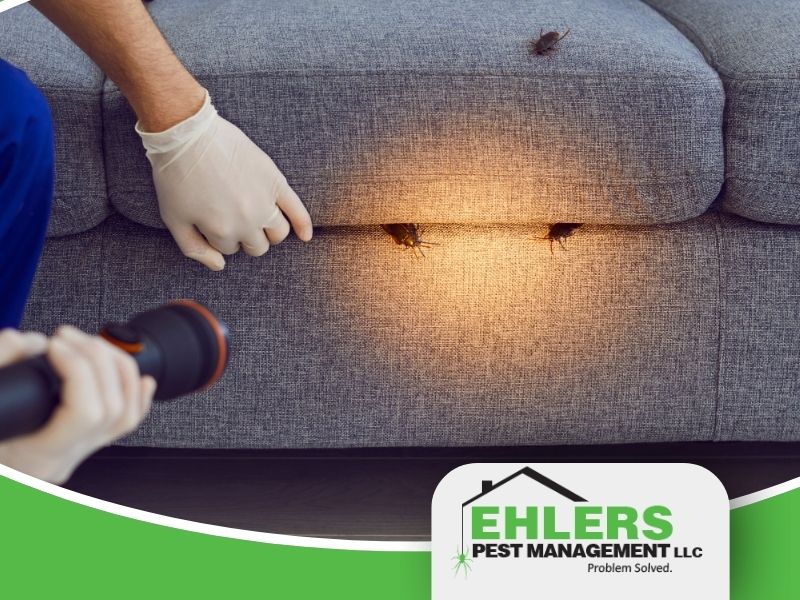
cockroach exterminator Milwaukee inspecting couch for active roach infestation with flashlight

If you’ve seen a cockroach in your Milwaukee home, your first instinct is probably to deal with it immediately. That instinct is right. Finding a cockroach exterminator in Milwaukee and acting quickly is one of the most important things you can do, because roach problems move fast and don’t resolve on their own.

Cockroaches are among the most common pest calls we receive across Milwaukee and Southeastern Wisconsin. And in a city with a mix of older homes, dense neighborhoods, and active restaurant and food service businesses, the conditions that attract them are widespread.

Here’s what you need to know about cockroaches in Milwaukee homes, why they’re so difficult to eliminate without professional help, and what effective treatment actually looks like.

Cockroaches in Milwaukee: What You’re Likely Dealing With

Two species account for the vast majority of cockroach problems in Milwaukee homes and businesses:

German cockroaches are the most common indoor species in Wisconsin, and the most problematic. They’re small (about half an inch), light brown, and reproduce at an extraordinary rate. A single female German cockroach can produce hundreds of offspring in her lifetime. They prefer warm, humid environments near food and water, which makes kitchens and bathrooms their primary habitats. German cockroaches thrive in Milwaukee’s older residential and commercial building stock, particularly in kitchens with aging plumbing, tight cabinet runs, and appliances that haven’t been pulled out in years.

If you’re seeing roaches in your kitchen, German cockroaches are the most likely culprit.

American cockroaches are larger (up to 2 inches!) and reddish-brown. They’re more commonly found in basements, crawl spaces, and utility areas. They prefer damp environments and are often associated with sewage and drainage systems. In Milwaukee, American cockroaches are most commonly found in older homes with basement drains, crawl spaces, and utility connections that provide easy exterior access, particularly in neighborhoods with aging sewer infrastructure.

While less common in living areas than German cockroaches, American cockroaches are a serious indicator of moisture issues and entry points that need to be addressed. 

Knowing which species you’re dealing with matters because treatment approaches differ. A cockroach exterminator in Milwaukee will identify the species before recommending a treatment plan.

Why Cockroaches Are So Hard to Eliminate on Your Own

Roaches are resilient in ways that make DIY treatment consistently frustrating:

  • They hide extremely well. Cockroaches are nocturnal and spend the majority of their time in cracks, crevices, and voids that are completely inaccessible to over-the-counter sprays. Seeing roaches during the day is actually a sign of a significant infestation — it means the hidden population has grown large enough to push individuals into the open.
  • They reproduce faster than most treatments work. German cockroaches in particular reproduce so quickly that incomplete treatment allows populations to rebound within weeks.
  • They develop resistance. Cockroaches have demonstrated the ability to develop resistance to commonly used insecticides, including some over-the-counter products. Using the wrong product repeatedly can select for resistant populations.
  • They’re not just where you see them. A few roaches visible in your kitchen likely means hundreds more hiding in wall voids, behind appliances, under cabinets, and inside electrical outlets.

What Professional Roach Control in Milwaukee Looks Like

For Milwaukee homeowners and businesses, effective roach control means accounting for the specific conditions common to the area: older construction, shared walls in multi-unit buildings, and the humidity that builds up in basements and crawl spaces during Wisconsin summers.

Effective roach control in Milwaukee requires a combination of approaches applied strategically,  not just a single product sprayed around the kitchen.

Inspection and identification comes first. A trained technician will identify the species, locate harborage areas, and assess the extent of the infestation before any treatment begins. This step directly determines what products are used and where.

Gel bait application is the cornerstone of professional German cockroach treatment. Gel bait is applied in small amounts in precise locations (inside cabinet hinges, along the back of drawer slides, near appliances, inside outlet covers) where roaches travel and hide. Roaches consume the bait and carry it back to the harborage, where it spreads through the population. Applied correctly, gel bait is highly effective even in areas where sprays can’t reach.

Insect growth regulators (IGRs) are used alongside bait to disrupt the reproductive cycle, preventing eggs from developing into reproducing adults. This is a critical component of breaking the population cycle, especially for German cockroach infestations.

Residual treatment in appropriate areas provides ongoing control between visits and targets roaches moving through treated zones.

Follow-up inspection confirms that treatment has worked and addresses any remaining activity. For significant infestations, multiple visits are standard. A reputable company will include follow-up as part of the treatment plan, not as an additional charge.

What You Can Do to Support Treatment

Professional treatment works significantly better when paired with a few actions on your end:

  • Eliminate food and water sources. Fix leaking pipes, clean up spills promptly, store food in sealed containers, and empty trash regularly. Roaches can survive on minimal food, and reducing the availability of food forces them to seek out bait.
  • Reduce clutter. Cardboard boxes, paper bags, and stacked materials provide harborage. Decluttering, especially in kitchens, basements, and utility areas, removes hiding spots.
  • Don’t spray before treatment. Contact sprays applied before a professional visit can scatter roaches and contaminate bait placements, reducing effectiveness.
  • Give treatment time to work. Gel bait works gradually across the population. You may see some activity for 1–2 weeks after treatment as the product works through the colony. Increased activity near bait placements is normal. It means roaches are finding and consuming it.

Act Before the Problem Gets Worse

Cockroach infestations don’t plateau. They grow. A small number of roaches were seen today, but that represents a much larger hidden population, and that population will continue to expand until something stops it. Early treatment is faster, less disruptive, and less expensive than treating a fully established infestation.

If you’ve seen cockroaches in your Milwaukee home or business — or anywhere across Southeastern Wisconsin, from West Allis to Oak Creek, Wauwatosa to Racine — Ehlers Pest Management can help. We provide targeted, effective roach control with a straightforward process and no unnecessary upsells. 

Schedule your inspection today.


Frequently Asked Questions

Are cockroaches common in Milwaukee homes? More common than most homeowners expect. Milwaukee’s older housing stock, dense neighborhoods, and active restaurant scene create conditions where cockroaches — particularly German cockroaches — find plenty of opportunity. Roach problems are reported year-round in Milwaukee, though warm, humid summer months tend to accelerate activity indoors. If you’re seeing them, you’re not alone. Professional treatment is the most reliable way to eliminate them for good.

Does seeing one cockroach mean I have an infestation? Not necessarily — but it warrants immediate attention. A single roach seen during the day is a stronger indicator of an established infestation than one seen at night, since daytime activity often signals an overcrowded harborage. Either way, it’s worth having a professional assess the situation rather than waiting to see if more appear.

How long does cockroach treatment take to work? Gel bait treatment typically produces a noticeable reduction in activity within 1–2 weeks. Full elimination of a significant infestation may take 2–4 weeks and more than one visit. Your technician will give you a realistic timeline based on what they find during the inspection.

Can cockroaches come back after professional treatment? A properly executed treatment plan should eliminate the existing infestation. Reinfestation can occur if cockroaches are reintroduced through used appliances, grocery bags, or shared walls in multi-unit buildings. Ongoing monitoring and sealing entry points reduces this risk significantly.

Are cockroaches dangerous? Yes. Cockroaches contaminate food and surfaces with bacteria, shed skins, and droppings. Cockroach allergens are a documented trigger for asthma and allergic reactions, particularly in children. Beyond the health risks, a cockroach infestation can cause serious reputational damage for food service businesses.

Why do I have cockroaches if my home is clean? Cleanliness reduces attractants but doesn’t prevent cockroaches entirely. Roaches can enter through grocery bags, used appliances, cardboard boxes, plumbing, and gaps in the structure. German cockroaches in particular thrive in even minimally hospitable conditions.

Categories Pest Treatment & Services, Uncategorized

How Often Should You Schedule Pest Control

Keeping your home free from pests isn’t just about reacting when you see a bug—it’s about preventing problems before they start. But determining how often to schedule pest control can feel overwhelming. The truth is, pest activity changes throughout the year, and the right frequency depends on your home’s unique needs. Here’s a clear guide to choosing the schedule that offers the best protection.

For most homeowners, quarterly pest control is the ideal baseline. Treatments every three months maintain a strong barrier around your home, keeping out common invaders like ants, spiders, centipedes, beetles, and occasional rodents. Since most professional products last about 90 days, quarterly visits ensure your home stays protected without unnecessary service.

If you live in an area with heavy warm-season pest activity—or simply want extra seasonal protection—consider seasonal service, which typically means monthly visits from April through October. These months bring the highest pest pressure: ants surge in spring, wasps and spiders peak in summer, and rodents begin seeking indoor shelter in early fall. Seasonal monthly treatments keep you ahead of every wave of activity.

For more active pest environments or homes that have experienced recurring issues, monthly pest control is a smart choice. This frequency is especially helpful for properties near wooded areas, lakes, restaurants, or older structures with multiple entry points. Monthly treatments disrupt pest life cycles, reduce pressure around your home, and provide ongoing monitoring to catch problems early.

In rare but urgent cases, weekly pest control may be necessary. This level of service is typically recommended for severe infestations—such as cockroaches, fleas, or significant rodent activity—where quick, repeated treatments are needed to gain control. Weekly visits allow technicians to respond rapidly, adjust treatments as the situation evolves, and ensure pests are eliminated as efficiently as possible.

No matter which frequency you choose, consistent pest control is always more effective than a one-time treatment. A customized schedule keeps your home protected year-round, prevents costly infestations, and gives you peace of mind knowing professionals are watching out for your property.

Categories Pest Treatment & Services, Uncategorized

Pest Control in Milwaukee: When You Need an Exterminator Now

When you spot a few ants or hear scratching in your walls, it’s tempting to wait and see if the problem goes away. But in Milwaukee, pest issues can escalate quickly — and sometimes waiting even a few days makes the difference between a minor nuisance and a full-blown infestation. Knowing when to call an exterminator right away can save you stress, time, and money.

Signs You Need a Pest Control Professional Immediately

Some pests don’t just invade — they multiply fast. Call an exterminator if you notice:

  • Rodent activity: Scratching in walls, droppings, or gnawed food packaging signal mice or rats, which spread disease and damage insulation.
  • Bed bugs: Even a single sighting means it’s time for expert treatment. These pests spread quickly and are nearly impossible to eliminate with DIY methods.
  • Termites or carpenter ants: Wood damage, sawdust piles, or hollow-sounding walls require urgent attention before structural damage occurs.
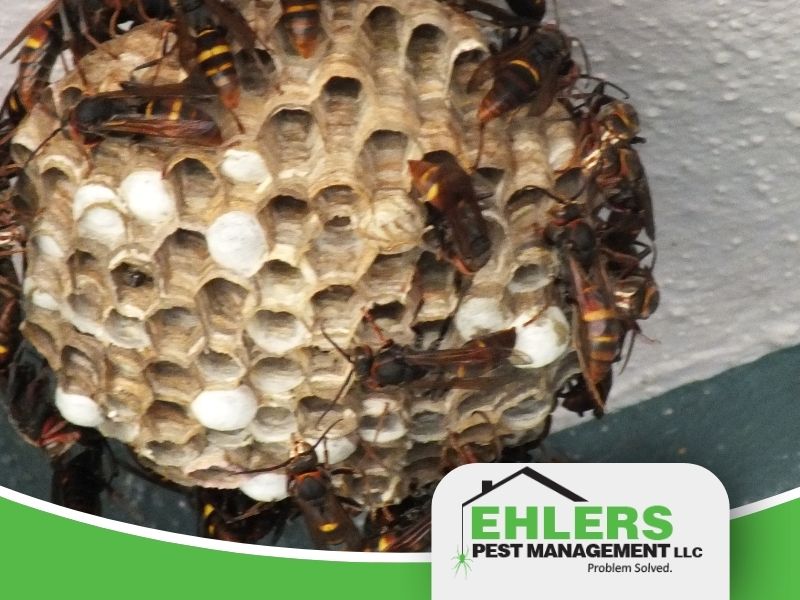
  • Wasps or hornets: Large nests near windows, decks, or roofs can be dangerous, especially for those with allergies.
  • Cockroach sightings: Seeing one usually means dozens more are hiding — they thrive in dark, moist areas and reproduce rapidly.

Why Acting Fast Matters

Pests aren’t just a nuisance; they pose serious health and property risks. Rodents chew wires, increasing fire hazards, and insects like cockroaches can contaminate food surfaces. Milwaukee’s climate also makes infestations seasonal — as temperatures drop, pests seek shelter indoors.

What to Expect from a Professional Exterminator

A reputable Milwaukee pest control company will:

  1. Inspect your home thoroughly to identify the pest and entry points.
  2. Provide a customized treatment plan using safe, effective methods.
  3. Offer preventive advice and follow-up services to ensure pests don’t return.

Local, Fast, and Reliable Help

If pests have already made themselves at home, don’t wait for the problem to grow. Ehlers Pest Management can restore your peace of mind quickly and safely — protecting your family and your property year-round.

Categories Pest Treatment & Services, Uncategorized

The Ultimate Guide to Residential Pest Control in Milwaukee

Milwaukee homeowners know that pests aren’t just a summertime problem — they’re a year-round concern. From ants in the kitchen to mice in the basement, unwanted intruders can cause damage, spread disease, and disrupt your peace of mind. This guide covers everything you need to know to keep your Milwaukee home pest-free.

Common Household Pests in Milwaukee

Wisconsin’s changing seasons invite a variety of pests indoors. In spring and summer, you’ll likely see ants, spiders, and wasps. As temperatures drop, rodents, cockroaches, and silverfish look for warmth and shelter. Identifying which pests are active during each season helps you take preventive steps before infestations grow.

Preventive Pest Control Tips

The best pest control starts with prevention. Seal cracks around windows, doors, and foundations. Keep your kitchen clean, store food in sealed containers, and repair any moisture issues — pests love damp environments. Regularly trimming bushes and removing yard debris can also help reduce nesting spots.

Professional Pest Control Solutions

While DIY methods can handle small problems, professional pest control offers long-term protection. Licensed exterminators use targeted treatments that are safe for families and pets while addressing the source of infestations. Many companies, including local experts in the Greater Milwaukee Area, offer year-round service plans to ensure ongoing protection.

Eco-Friendly Pest Control in Milwaukee

More homeowners are choosing eco-friendly options that use low-toxicity treatments and integrated pest management techniques. These methods focus on prevention and minimal chemical use — protecting both your home and the environment.

Why Local Expertise Matters

Local pest control professionals understand Milwaukee’s unique pest pressures and seasonal patterns. Working with a nearby provider means faster service, customized treatments, and proven results.

Protect your home before pests move in. Schedule an inspection with Ehlers Pest Management today and enjoy a cleaner, safer, pest-free home year-round.