

By May, Wisconsin finally feels like spring. Temperatures are more consistent, lawns are growing, and outdoor activity increases. For pests, May is more than just another warm month—it’s a preview of what summer pest pressure may look like.
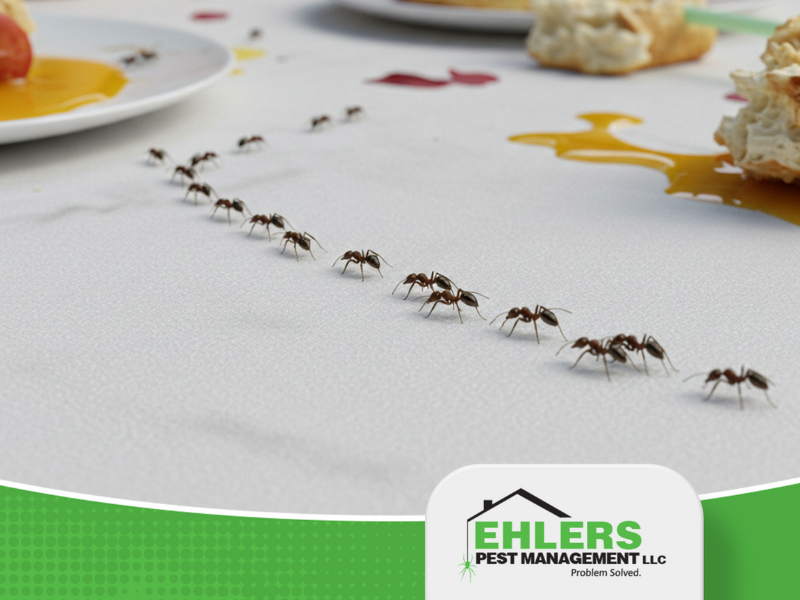
Pest activity in May often reflects what’s already established. Ant colonies that became active in early spring are now expanding, sending out more workers in search of food and moisture. If ants are appearing regularly in May, it usually means a nearby colony is well-established and preparing to grow even larger during summer.
Rodent activity can also provide early clues. Mice that entered homes during winter don’t automatically leave when the weather warms. If signs of rodents persist into May, it may indicate nesting inside walls, attics, or garages. Left unchecked, this activity can continue through summer and lead to ongoing contamination or damage.
May is also when stinging insect activity begins to increase. Early nests started by queens in spring are growing, even if they’re not yet noticeable. Seeing increased insect traffic around siding, eaves, or ground areas may signal nesting locations that will become more active and aggressive later in the season.
Moisture plays a major role during this time of year. Spring rain combined with warming temperatures creates ideal conditions for many pests. Damp soil, clogged gutters, and shaded areas near foundations can attract insects and encourage nesting close to the home.
What makes May especially important is timing. Pest populations are still manageable, but they’re building momentum. Addressing issues now is far easier than trying to control peak activity during summer months when pests are more numerous and widespread.
Preventative pest control in May focuses on limiting growth rather than reacting to infestations. Sealing entry points, managing moisture, and addressing early signs of activity can significantly reduce summer problems.
May pest activity isn’t just a seasonal nuisance—it’s an early warning system. Paying attention now helps homeowners avoid bigger, more disruptive pest issues as summer approaches.