
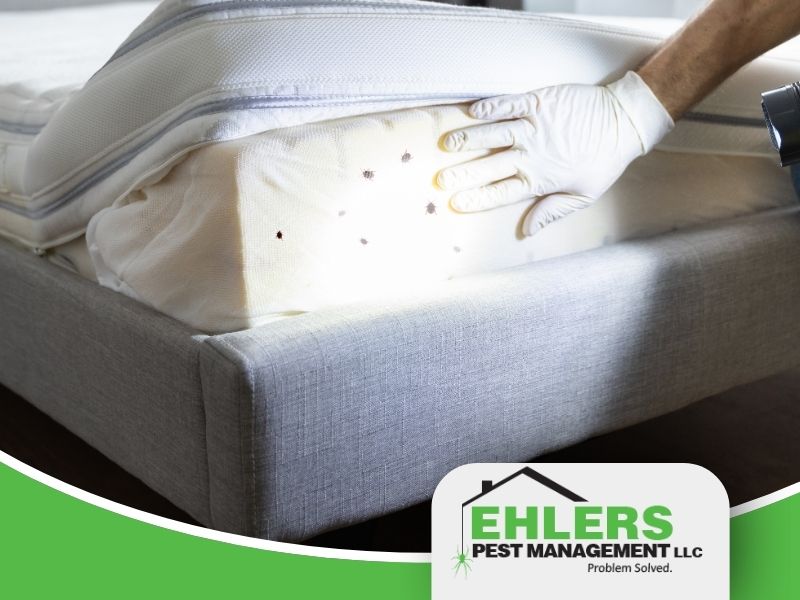

If you’ve already tried treating bed bugs in your Milwaukee home and the problem keeps coming back, you’re not alone — and you’re not doing it wrong. Bed bug treatment fails more often than most people realize, not because the pest is impossible to eliminate, but because the biology of bed bugs makes incomplete treatment almost inevitable without the right approach. Learn more about getting rid of them for good from a bed bug exterminator Milwaukee trusts.
Bed bug treatments fail in Milwaukee homes most often because over-the-counter products can’t reach hidden harborage areas, eggs are resistant to most retail insecticides, and treating only the visible infestation leaves the broader population untouched. Professional bed bug exterminator service addresses all life stages in all harborage locations simultaneously.
Why Bed Bugs Are Harder to Eliminate Than Any Other Pest
Most pest problems respond to a straightforward treatment because the pest is relatively exposed and mobile. Bed bugs are different in almost every relevant way.
They hide in places that are genuinely difficult to treat: inside mattress seams, behind outlet covers, inside box spring frames, along the tack strip under carpet edges, and inside wall voids. A treatment that covers the visible surfaces of a bedroom leaves a significant portion of the population completely untouched.
Bed bug eggs compound this problem significantly. Most over-the-counter insecticides have little to no effect on bed bug eggs, which means even a treatment that kills every adult and nymph present leaves behind a new generation that hatches within one to two weeks. This is why so many Milwaukee homeowners report that a bed bug problem appeared to resolve and then returned — the eggs simply weren’t addressed.
What Makes DIY Bed Bug Treatment Fail?
The most common reasons DIY bed bug treatment in Milwaukee doesn’t hold:
- Retail products lack residual effectiveness against eggs. Sprays that kill on contact don’t prevent hatching eggs from developing into a new population within days.
- Coverage is almost always incomplete. Treating the mattress and box spring while leaving furniture, baseboards, and wall voids untreated leaves the majority of the infestation in place.
- Heat guns and steamers are misapplied. Heat is effective against bed bugs at the right temperature, but handheld devices rarely sustain lethal temperatures long enough or reach deep enough into harborage areas.
- Adjacent infestation sources go unaddressed. In multi-unit buildings, bed bugs in neighboring units will reinfest a treated unit within weeks if adjacent spaces aren’t assessed and treated simultaneously.
Why Is Summer the Worst Time to Leave Bed Bugs Untreated?
Bed bug season doesn’t follow Wisconsin’s outdoor pest calendar. Unlike wasps or box elder bugs, bed bugs are active year-round indoors. But summer is statistically the highest period for bed bug spread nationally, because travel increases dramatically and bed bugs move between locations on luggage, clothing, and used furniture.
Milwaukee’s summer travel patterns, combined with the city’s density of multi-unit housing stock, make August one of the highest-risk months for new introductions and spread between units. An infestation that’s present now and left untreated through summer will be significantly larger and more established by fall.
What Does a Professional Bed Bug Exterminator in Milwaukee Actually Do Differently?
A professional bed bug exterminator in Milwaukee approaches the problem systematically in ways that DIY treatment structurally can’t replicate:
- Comprehensive inspection before any treatment. A thorough assessment identifies all harborage locations, not just the obvious ones, and determines the extent of the infestation before a treatment plan is set.
- Multi-visit treatment protocol. Effective chemical treatment requires a minimum of two to three visits timed to the bed bug life cycle. A single treatment, no matter how thorough, can’t eliminate eggs that haven’t yet hatched.
- Professional-grade products with residual activity. Licensed applicators have access to insecticide formulations with residual effectiveness that continues working between visits, targeting newly hatched nymphs before they reach reproductive maturity.
- Adjacent unit assessment in multi-unit properties. In duplexes, apartment buildings, and other multi-unit settings, professional treatment includes inspecting and treating adjacent units to prevent reinfestation from neighboring spaces.
Ehlers Pest Management is a bed bug exterminator Milwaukee and Southeastern Wisconsin trusts. To schedule service or talk to our experienced team about what you’re dealing with, contact us today.
Frequently Asked Questions
Why do bed bugs keep coming back after treatment in my Milwaukee home?
The most common reason is incomplete treatment that didn’t address all harborage locations or all life stages. Eggs left behind hatch within one to two weeks, and a new population develops from there. In multi-unit buildings, reinfestation from an adjacent untreated unit is also a frequent cause. Professional treatment with a multi-visit protocol is the most reliable way to break the cycle.
How do I know if I have bed bugs or something else?
Bed bugs leave specific evidence: small rust-colored stains on mattress seams and sheets from crushed bugs or excrement, tiny dark fecal spots along mattress edges and headboards, shed skins near harborage areas, and clusters of small bites on exposed skin noticed after sleeping. A professional inspection can confirm identification quickly and accurately if you’re unsure.
How long does professional bed bug treatment take in Milwaukee?
A thorough chemical treatment program typically involves two to three visits spaced two to three weeks apart, with each visit taking two to four hours depending on the size of the space. The full resolution window, including the monitoring period to confirm zero activity, is typically six to eight weeks from the first treatment visit.
Do I have to throw away my mattress if I have bed bugs?
In most cases, no. Professional treatment combined with a quality mattress encasement is sufficient to address an infested mattress without disposal. Throwing away a mattress doesn’t eliminate the infestation, since bed bugs live throughout the room, not just in the bed, and a new mattress will become infested if the broader population isn’t treated.