Categories Uncategorized

Spring Rains and Pest Problems: What Milwaukee Homeowners Should Expect

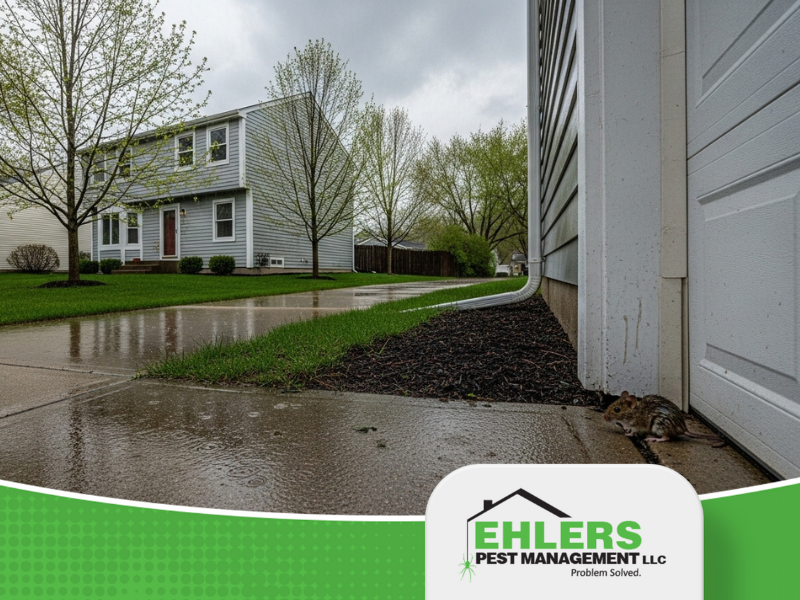
Spring in Milwaukee brings welcome signs of warmer weather, but it also brings increased rainfall. While spring rains help lawns and gardens recover after winter, they can also create ideal conditions for pest activity around homes.

Moisture is one of the biggest drivers of spring pest problems. As snow melts and rain saturates the ground, excess water builds up around foundations, window wells, and basement walls. Many pests are drawn to damp environments, and spring rains often push them closer to structures in search of shelter and stable conditions.

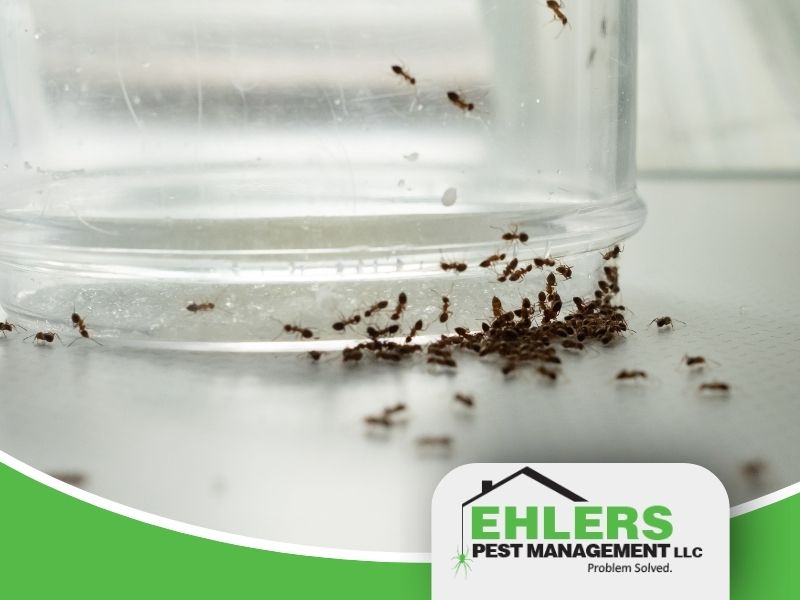
Ants are among the first pests homeowners notice after heavy rain. Saturated soil can flood outdoor nests, forcing ants to relocate. Cracks around foundations, gaps near doors, and utility entry points become convenient pathways indoors. Once ants find food or moisture, trails can form quickly.

Rodents are also affected by spring rain. Burrows can become waterlogged, encouraging mice to move toward higher, drier ground—including garages, basements, and crawl spaces. Homes that experienced winter mouse activity may see increased movement as spring conditions allow rodents to travel more freely.

Spring rains can also expose hidden vulnerabilities in a home. Water intrusion highlights cracks formed during winter freeze–thaw cycles, creating new entry points for pests. Poor drainage, clogged gutters, and standing water near the foundation increase the risk of ongoing pest pressure.

Another challenge is visibility. Rain can drive pests indoors suddenly, leading to unexpected sightings that feel like they came out of nowhere. In reality, the activity was already developing and is simply being revealed by changing conditions.

Milwaukee homeowners can reduce spring pest problems by managing moisture early. Ensuring proper drainage, sealing foundation gaps, repairing damaged screens, and keeping gutters clear all help limit pest access. Addressing issues early in spring makes it easier to prevent larger infestations as temperatures rise.

Spring rain is unavoidable, but pest problems don’t have to be. Understanding how moisture affects pest behavior helps homeowners take proactive steps and enjoy the season without unwanted surprises.

Categories Rodents

Signs of Mice in Your Walls: What Wisconsin Homeowners Need to Know

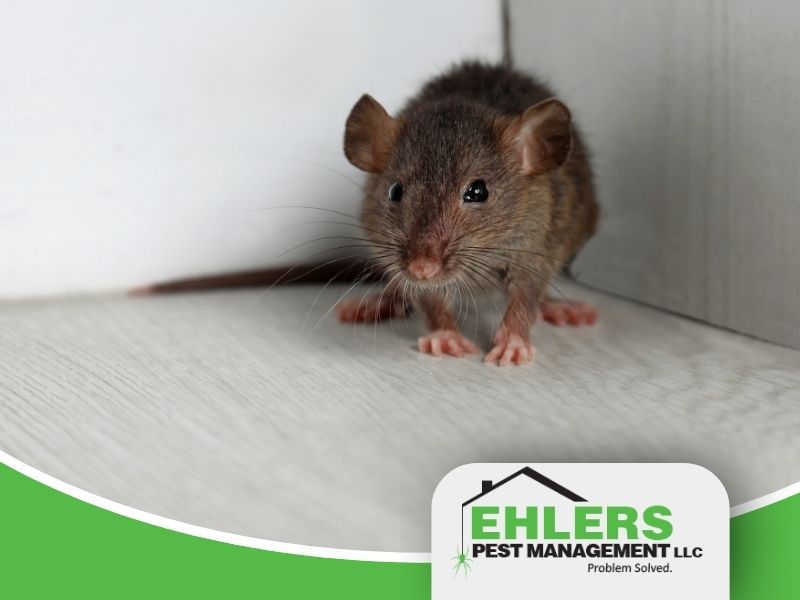
mouse on floor near wall highlighting signs of mice in walls inside home

If you’re hearing scratching sounds coming from inside your walls, there’s a good chance you already know what’s causing it — you just don’t want it to be true. Recognizing the signs of mice in walls early is one of the most important things a Wisconsin homeowner can do before a small problem becomes a serious one.

Here’s what to look for, what it means, and when to act.

Why Mice Head Indoors in Wisconsin

Wisconsin winters push mice to seek warmth, shelter, and food — and your home offers all three. Mice can squeeze through a gap as small as a dime, and once one finds a way in, others follow. House mice and deer mice are the most common species in Southeastern Wisconsin homes, and both are capable of nesting inside wall cavities, insulation, and crawl spaces where they’re almost never seen directly.

That’s what makes them tricky. By the time most homeowners realize they have a problem, a small entry has already become an established route — and a pair of mice has already become a lot more.

Signs of Mice in Your Walls

You’re unlikely to see mice directly, especially during the day. What you’ll notice are the signals they leave behind:

  • Scratching or scurrying sounds — Most active at night, mice move through wall cavities, across ceilings, and behind baseboards. If you hear it after the house settles down for the evening, take it seriously.
  • Droppings near baseboards or in cabinets — Small, dark, and pellet-shaped. Fresh droppings are soft; older ones dry out and crumble. Either way, they indicate active or recent activity.
  • Gnaw marks on wood, drywall, or food packaging — Mice gnaw constantly to keep their teeth worn down. Look for chewed corners on boxes, baseboards, or structural wood near the floor.
  • Grease marks along walls — Mice travel the same routes repeatedly and leave oily smudge marks along baseboards and walls from the oils in their fur.
  • A musty, ammonia-like odor — Mouse urine has a distinctive smell that becomes more noticeable in enclosed spaces like cabinets, closets, or utility rooms.
  • Pet behavior changes — Dogs and cats often detect rodents before humans do. If your pet is fixating on a wall, cabinet, or corner of the room for no obvious reason, trust their instincts.

Why One Mouse Means More

This is the part most homeowners underestimate. Mice reproduce rapidly — a single female can produce 5 to 10 litters per year, with 5 to 6 pups per litter. A couple of mice that find their way into your home in October can become dozens by spring.

Mice also rarely travel alone. If one has found a reliable food source and a safe nesting spot, others will follow the same scent trails. Seeing or hearing one mouse is almost never the whole picture.

The Risks Beyond the Nuisance

Mice aren’t just unpleasant to think about — they create real problems inside your home:

  • Structural damage from gnawing on insulation, wood framing, and electrical wiring (a leading cause of house fires)
  • Contamination of food, countertops, and stored items through droppings and urine
  • Health risks from pathogens carried in droppings, including salmonella and hantavirus

This is why rodent control in Milwaukee homes is something we take seriously — and why waiting to see if the problem resolves on its own is rarely a good strategy.

What to Do If You’re Seeing the Signs

If you’ve noticed one or more of the signs above, here’s what to do:

  • Don’t ignore it. Activity doesn’t stop on its own once mice are established indoors.
  • Avoid using poison bait yourself. Rodenticide placed incorrectly can harm pets and children, and mice often die inside walls — creating odor and secondary pest problems.
  • Seal obvious entry points around pipes, dryer vents, and foundation gaps — but understand this alone won’t address mice already inside.
  • Call a professional. A trained technician can identify entry points, assess the extent of the infestation, and implement a targeted treatment plan.

Don’t Wait Until Spring to Deal With It

Mice don’t slow down once they’re inside. They nest, breed, and cause damage year-round in the warmth of your walls and attic spaces. The earlier you address it, the less damage gets done — and the simpler and less costly the solution.

If you’re hearing scratching in your walls or seeing any of the signs above, Ehlers Pest Management can help. We provide rodent control in Milwaukee and across Southeastern Wisconsin — straightforward, effective, and without the runaround.

Schedule your inspection today.


Frequently Asked Questions

How do I know if the scratching in my walls is mice or something else?

Mice are most active at night and produce light, rapid scratching or scurrying sounds. Squirrels are more likely to be heard during the day and in the attic. If you’re hearing sounds at night near baseboards or inside lower wall cavities, mice are the most likely culprit in a Wisconsin home.

Can mice in walls go away on their own?

Rarely. Once mice establish a nesting site and food source inside your home, they stay. Without intervention — sealing entry points and removing the existing population — the problem typically grows.

How long does it take to get rid of mice in walls?

It depends on the size of the infestation and the treatment method. A professional treatment plan typically produces noticeable results within one to two weeks, with follow-up to confirm the problem is fully resolved.

Is it dangerous to have mice in my walls?

Yes. Beyond the nuisance, mice chew through electrical wiring, contaminate surfaces with droppings and urine, and can carry pathogens that pose health risks to your family.

Categories Uncategorized

What May Pest Activity Tells You About Summer Problems Ahead

By May, Wisconsin finally feels like spring. Temperatures are more consistent, lawns are growing, and outdoor activity increases. For pests, May is more than just another warm month—it’s a preview of what summer pest pressure may look like.

Pest activity in May often reflects what’s already established. Ant colonies that became active in early spring are now expanding, sending out more workers in search of food and moisture. If ants are appearing regularly in May, it usually means a nearby colony is well-established and preparing to grow even larger during summer.

Rodent activity can also provide early clues. Mice that entered homes during winter don’t automatically leave when the weather warms. If signs of rodents persist into May, it may indicate nesting inside walls, attics, or garages. Left unchecked, this activity can continue through summer and lead to ongoing contamination or damage.

May is also when stinging insect activity begins to increase. Early nests started by queens in spring are growing, even if they’re not yet noticeable. Seeing increased insect traffic around siding, eaves, or ground areas may signal nesting locations that will become more active and aggressive later in the season.

Moisture plays a major role during this time of year. Spring rain combined with warming temperatures creates ideal conditions for many pests. Damp soil, clogged gutters, and shaded areas near foundations can attract insects and encourage nesting close to the home.

What makes May especially important is timing. Pest populations are still manageable, but they’re building momentum. Addressing issues now is far easier than trying to control peak activity during summer months when pests are more numerous and widespread.

Preventative pest control in May focuses on limiting growth rather than reacting to infestations. Sealing entry points, managing moisture, and addressing early signs of activity can significantly reduce summer problems.

May pest activity isn’t just a seasonal nuisance—it’s an early warning system. Paying attention now helps homeowners avoid bigger, more disruptive pest issues as summer approaches.

Categories Ants

Ants in Your Kitchen? Here’s What It Really Means

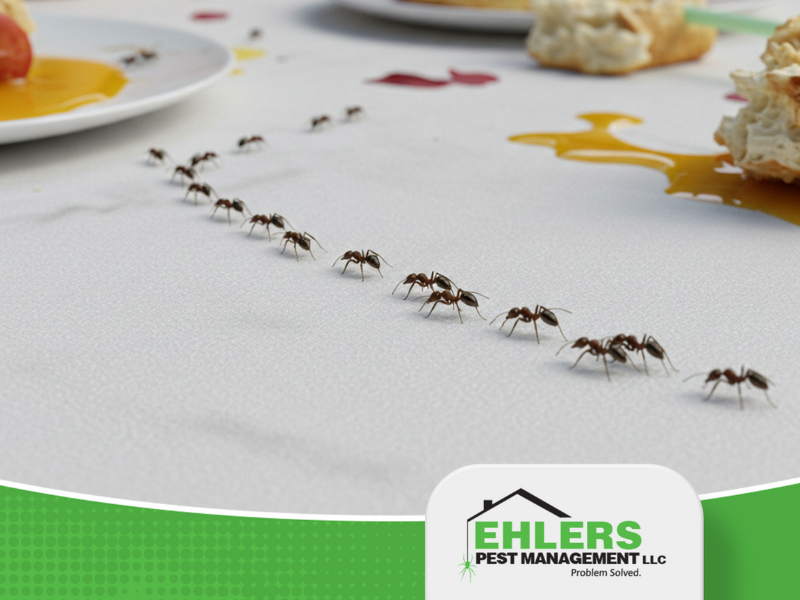
“ants in kitchen Milwaukee gathering around food source near countertop surface”

If you’ve spotted ants in your kitchen in Milwaukee, you’re not dealing with a random straggler. You’re looking at the first sign of a much bigger problem nearby.

It’s easy to wipe them up and move on. But if they keep coming back, there’s a reason. Here’s what’s actually happening inside your home, and what to do about it before it gets worse.

Why You’re Seeing Ants in Your Kitchen

Ants don’t wander indoors by accident. When a single ant finds its way into your kitchen, it’s scouting on behalf of a colony that could number in the thousands. If it finds food or moisture, it leaves an invisible chemical trail for others to follow.

By the time you notice a line of ants moving across your counter or floor, the scouting phase is already over. The colony has decided your kitchen is worth exploiting — and they’ll keep coming back until something changes.

What One Ant Is Actually Telling You

Ant activity in your kitchen usually points to three things:

  • A colony is nearby. Ants don’t travel far. If they’re in your kitchen, the nest is likely in your walls, under your foundation, or close to the exterior of your home.
  • They’ve found a food or moisture source. Grease behind the stove, a drip under the sink, crumbs in a cabinet corner — ants don’t need much.
  • There’s an entry point they’ve found and are using. Gaps around pipes, cracks in the foundation, or unsealed windows are common access points.

None of these problems fix themselves. The trail gets reinforced every time an ant makes it back to the colony successfully.

Why Milwaukee Homes See More Ants in Spring and Summer

Ant activity in Southeastern Wisconsin spikes between May and August. Colonies expand in warmer months, and heavy spring rains push nests toward higher, drier ground — which often means toward your foundation and into your home.

The two most common species we see in Milwaukee kitchens are pavement ants (small, dark, usually near baseboards or under appliances) and odorous house ants (they emit a blue-cheese smell when crushed). Both are persistent. Neither goes away without treatment.

Why DIY Treatments Often Make It Worse

Store-bought sprays are the first thing most homeowners reach for — and they make sense in the moment. You kill what you can see, and the problem appears to go away.

Then they’re back.

Contact sprays don’t reach the colony. The queen keeps laying eggs, foragers keep following the trail, and the cycle continues. Worse, spraying can cause some colonies to “bud” — splitting into multiple satellite colonies and spreading the infestation further.

Bait traps are more effective because they let ants carry the product back to the nest. But using the wrong bait formulation for the wrong species, or placing it incorrectly, dramatically reduces effectiveness. Getting it right requires knowing what you’re actually dealing with.

When to Call an Ant Exterminator in Milwaukee

If you’ve seen ants more than once in the same area, tried a treatment that didn’t hold, or noticed activity in multiple rooms, it’s time to bring in a professional. A trained technician can:

  • Identify the species and locate likely entry points
  • Apply targeted treatment that addresses the colony, not just the foragers
  • Recommend a prevention plan so it doesn’t come back next season

Don’t Let a Few Ants Turn Into a Season-Long Problem

Ant problems are significantly easier to resolve when they’re caught early. A small infestation today can become a well-established, harder-to-treat problem by midsummer.

If you’re seeing ants in your kitchen — even just a few — Ehlers Pest Management can help. We serve homeowners across Milwaukee and Southeastern Wisconsin with straightforward, effective pest control. Schedule your inspection today.


Frequently Asked Questions

Why do I keep getting ants in my kitchen even after cleaning? Cleanliness helps, but it’s rarely the whole solution. If a colony is established nearby, foragers will keep exploring your kitchen looking for any available food or moisture. Cleaning removes the attractant, but it doesn’t address the colony or close entry points.

Are ants in my kitchen dangerous? Most ant species in Milwaukee homes aren’t dangerous, but they can contaminate food and, in the case of carpenter ants, cause structural damage over time. The bigger concern is that a small ant problem rarely stays small.

What time of year are ants worst in Milwaukee? Spring through late summer — roughly May through August — is peak ant season in Southeastern Wisconsin. Activity typically decreases as temperatures drop in the fall.

How do I know if I have a serious ant infestation? Signs include seeing ants regularly in the same areas, noticing trails along baseboards or behind appliances, or finding ants in multiple rooms. If DIY treatments haven’t worked after a week or two, it’s time to call a professional.