Categories Uncategorized

How Freeze–Thaw Cycles Create New Pest Entry Points in Homes

Wisconsin winters are known for dramatic temperature swings, and those changes affect more than just comfort. The repeated freeze–thaw cycles common from late winter into early spring can quietly create new entry points that allow pests to access homes.

When temperatures drop, building materials contract. As temperatures rise, those same materials expand. Over time, this constant movement puts stress on foundations, siding, masonry, and sealants. Small cracks can form in concrete, mortar joints can weaken, and caulking around windows, doors, and utility lines can pull away. While these openings may seem insignificant, many pests need only a very small gap to get inside.

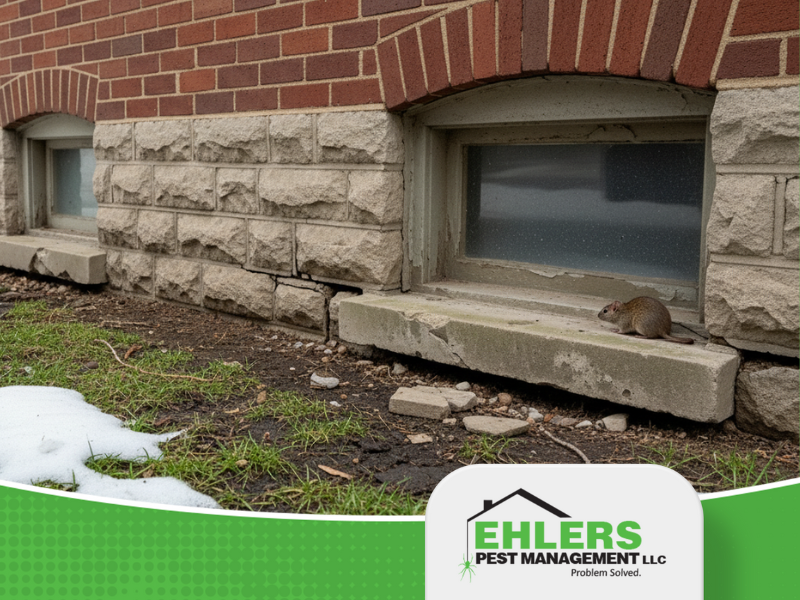
Rodents are especially good at exploiting freeze–thaw damage. Mice can squeeze through openings as small as a dime, making newly formed cracks around foundations, sill plates, and utility penetrations ideal access points. Once inside, they often nest in wall voids, basements, or attics where activity stays hidden.

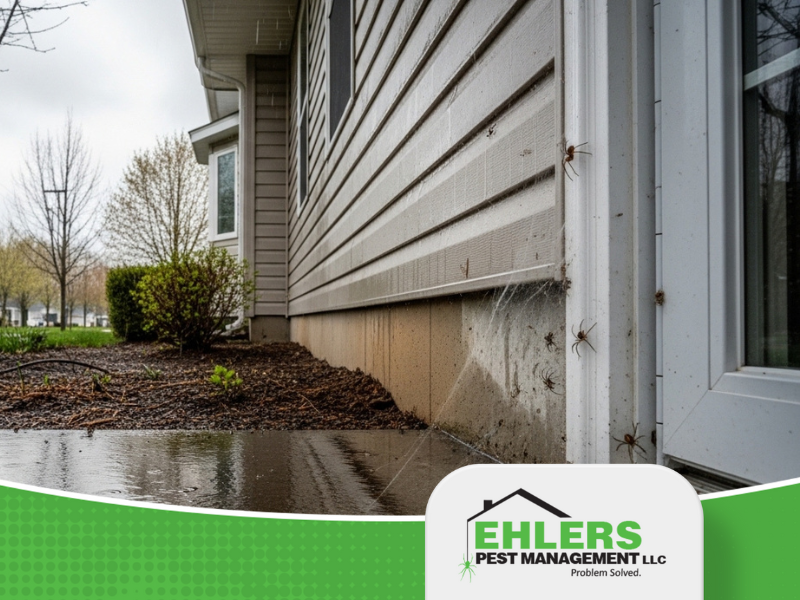
Insects also take advantage of these changes. Ants, spiders, and overwintering insects follow air and moisture movement through gaps created by shifting materials. Moisture from melting snow can seep into these spaces, further attracting pests looking for water and shelter.

Freeze–thaw cycles can also impact exterior features such as window wells, garage slabs, and porches. Separation between structures and the main foundation creates sheltered pathways that pests can use to move indoors. These areas are often overlooked during routine home maintenance.

The challenge for homeowners is that freeze–thaw damage isn’t always visible. Cracks may be hidden behind siding or occur in hard-to-reach areas. Pests often discover these openings long before people do, leading to increased indoor activity once temperatures rise.

Preventative pest control focuses on identifying and sealing these vulnerable areas early. Inspections during late winter and early spring can uncover newly formed entry points and reduce the chance of pests establishing themselves for the season.

Freeze–thaw cycles are unavoidable in Wisconsin, but pest problems don’t have to be. Addressing structural vulnerabilities early helps keep unwanted guests out as the weather warms.

Categories Uncategorized

Early Spring Ant Activity: Why March Is the Warning Month

March is a transitional month in Wisconsin. Snow begins to melt, temperatures fluctuate, and homes slowly shift from winter conditions to early spring. While this change may feel subtle to homeowners, it has a big impact on ant activity. In fact, March often serves as the first warning sign that ant problems may be developing.

Ants are highly responsive to temperature and moisture. As the ground begins to thaw, ant colonies that overwintered in soil, under concrete slabs, or inside wall voids start becoming active again. Even brief warm spells in March can trigger movement as ants search for food and water.

Many early spring ant sightings actually originate indoors. Ants that entered structures during winter may begin exploring living spaces as conditions improve. Kitchens, basements, and bathrooms are common areas where homeowners first notice activity, especially near moisture sources.

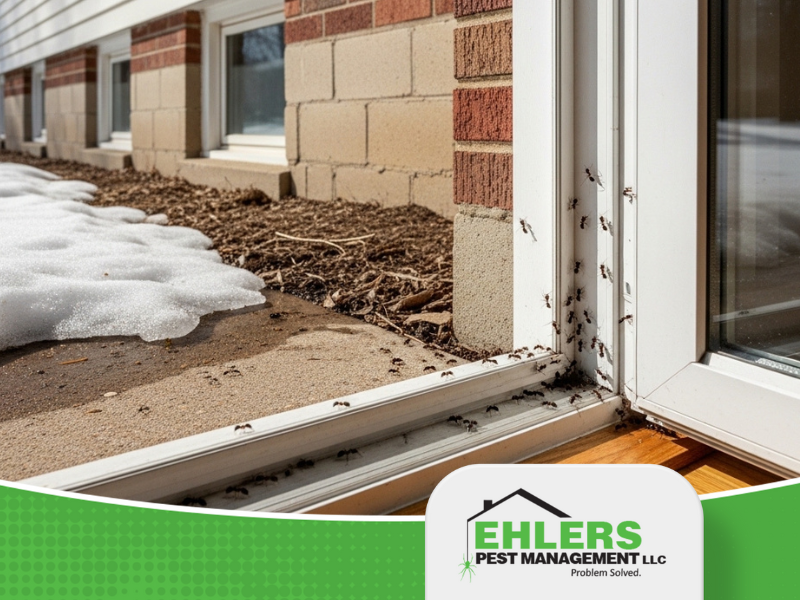
March also brings increased moisture from snowmelt and early spring rain. Damp soil around foundations and inside wall voids creates ideal conditions for ants to expand their activity. Cracks caused by Wisconsin’s freeze–thaw cycles provide easy access points, allowing ants to move between outdoor colonies and indoor spaces.

The reason March is considered a warning month is that ant activity is often minimal and sporadic at first. A few ants along a baseboard or countertop may not seem concerning, but these early sightings usually indicate a nearby colony preparing to grow. Left unaddressed, ant activity often increases rapidly as spring temperatures stabilize.

Taking action in March can make a significant difference. Reducing moisture, sealing entry points, and addressing food sources helps limit attraction early in the season. Preventative pest control during this time focuses on stopping colony expansion before it becomes more established.

By recognizing early ant activity as a warning rather than a nuisance, homeowners can prevent larger problems later in spring and summer. March may still feel like winter, but for ants, it’s the beginning of their most active season.

Categories Uncategorized

What Happens to Pests When Wisconsin Snow Starts Melting

When snow begins to melt across Wisconsin, it feels like winter is finally loosening its grip. For homeowners, it’s a welcome change—but for pests, melting snow signals a major shift in behavior. Early spring thaw is one of the most active transition periods for pests, even if it doesn’t always look that way on the surface.

As snow melts, pests that spent winter sheltered in walls, foundations, and protected outdoor areas begin moving again. Rodents that entered homes during winter remain active indoors, while others venture out in search of new food sources. This movement often leads to increased sightings inside homes as mice and other pests follow familiar pathways through basements, garages, and utility lines.

Melting snow also creates moisture, which plays a big role in pest activity. Excess water around foundations, window wells, and crawl spaces can attract insects like ants and other moisture-seeking pests. As soil warms and ground thaws, insects that overwintered underground or inside structures begin to emerge and spread out.

Another factor is structural change. Wisconsin’s freeze–thaw cycles can leave behind small cracks in foundations, gaps around siding, and openings near vents or utility lines. These newly formed entry points make it easier for pests to move between indoors and outdoors as spring approaches.

Homeowners often notice pest activity shortly after snowmelt because pests that stayed hidden during winter become more visible. Ant trails may appear along baseboards, rodents may be heard moving more frequently, and insects trapped indoors may emerge into living spaces as temperatures rise.

This early spring period is also when pest populations begin rebuilding. Conditions become more favorable for feeding and nesting, setting the stage for larger problems later in spring and summer if activity goes unchecked.

Addressing pest issues during snowmelt is one of the most effective times to prevent future problems. Reducing moisture, sealing entry points, and identifying early signs of activity can help limit pest movement before peak season begins.

When Wisconsin snow starts melting, pests don’t disappear—they reposition. Taking action during this transition helps keep small spring issues from turning into bigger warm-weather problems.

Categories Pest Identification & Prevention, Uncategorized

Hidden Winter Pest Damage Homeowners Don’t Notice Until Spring

Winter often feels like a break from pest activity, but many pests remain active indoors throughout the colder months. While they may be out of sight, they’re not always harmless. In fact, some of the most costly pest-related damage happens quietly during winter and isn’t discovered until spring.

Rodents are one of the biggest culprits. Mice and rats seek warmth and shelter inside homes, nesting in wall voids, attics, basements, and crawl spaces. While hidden, they may chew on insulation, wood framing, and even electrical wiring. This damage can go unnoticed for months and may increase the risk of energy loss or electrical issues.

Insects can also cause subtle winter problems. Overwintering pests such as box elder bugs, cluster flies, and stink bugs often gather inside walls and attic spaces. While they may appear inactive, their presence can lead to staining on walls, unpleasant odors, or sudden indoor activity once temperatures rise.

Another commonly missed issue is contamination. Rodents can leave behind droppings and urine in hidden areas, affecting air quality and creating sanitation concerns. Because this activity is usually behind walls or under insulation, homeowners often don’t realize there’s a problem until odors, stains, or spring pest activity reveal it.

Wisconsin’s freeze–thaw cycles add another layer of risk. As temperatures fluctuate, small cracks can form in foundations, siding, and around utility entry points. Pests may take advantage of these openings during winter and remain established well into warmer months.

Spring often brings the first visible signs—scratching sounds, increased insect activity, damaged insulation, or unexpected repairs. By then, the damage has already been done.

Preventative pest control during winter helps identify hidden activity early, seal entry points, and reduce the chance of long-term damage. Addressing issues before spring not only protects your home but also makes seasonal pest problems far easier to manage.

Winter may seem quiet, but pests don’t always wait for warm weather. Catching hidden damage early can save time, money, and frustration when spring arrives.

Categories Rodents, Uncategorized

Why One Mouse in February Usually Means More by Spring

Seeing a mouse in your home during February can be easy to dismiss. Cold weather drives mice indoors, and many homeowners assume a single mouse is just a fluke. In reality, one mouse in winter often signals a much larger problem developing behind the scenes.

Mice do not hibernate during Wisconsin winters. Once they find warmth, shelter, and a food source inside a home, they settle in and remain active. February is especially important because mice that entered earlier in the winter may already be nesting in wall voids, attics, basements, or crawl spaces.

A single mouse is rarely alone. Mice are social and reproduce quickly when conditions are right. Indoor environments provide stable temperatures that allow breeding to continue year-round. By the time spring arrives, a small winter presence can turn into a noticeable population, even if activity seemed quiet at first.

Winter conditions also make detection harder. Mice tend to travel inside walls and along hidden pathways, leaving little visible evidence early on. Homeowners may not notice signs until warmer weather increases activity, odors become noticeable, or damage is discovered.

Wisconsin’s freeze–thaw cycles add to the risk. Small gaps can open around foundations, siding, vents, and utility lines during winter, creating multiple entry points. Once mice gain access, they often return to the same location year after year if openings remain unsealed.

Ignoring a mouse sighting in February can lead to increased damage by spring. Chewed insulation, contaminated areas, and wiring damage often go unnoticed until the problem has grown.

Early intervention is key. Addressing mouse activity during winter helps prevent breeding, limits damage, and reduces the likelihood of ongoing issues once warmer weather arrives. Sealing entry points, improving sanitation, and professional inspection can make a significant difference.

If you spot a mouse in February, it’s usually not just a winter inconvenience—it’s an early warning. Taking action now can help protect your home and keep spring pest problems from multiplying.