Categories Uncategorized

Why Pet-Safe Pest Control Matters More in Spring and Summer

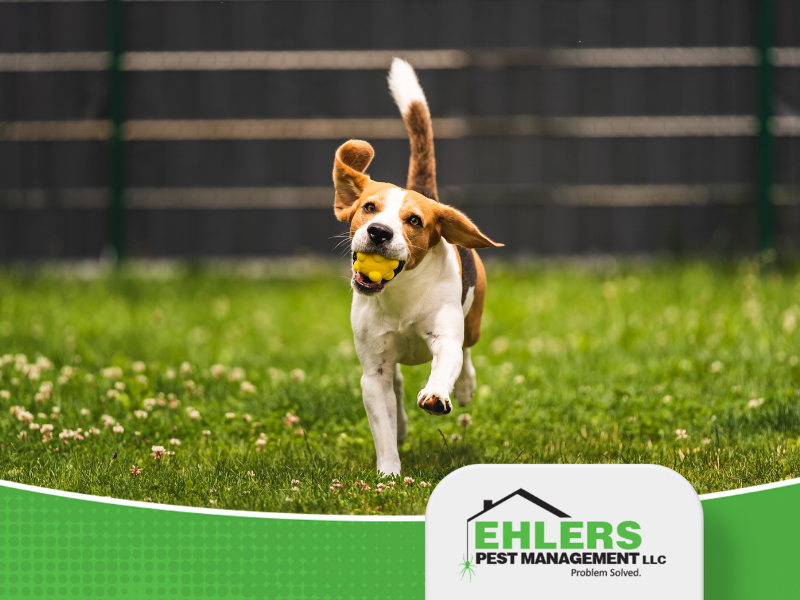
Spring and summer bring longer days, open windows, and more time spent outdoors with pets. Unfortunately, these warmer months also mark peak pest activity. As ants, rodents, and stinging insects become more active, many homeowners turn to pest control—making pet-safe practices more important than ever.

During spring and summer, pets are exposed to treated areas more frequently. Dogs and cats explore yards, rest on patios, and move freely between indoors and outdoors. This increased contact means pest control methods must be carefully chosen to reduce risk while still being effective.

Pests are also more active during this time, which can lead to repeated treatments if problems aren’t handled preventatively. Without pet-safe approaches, frequent applications may increase the chance of exposure. That’s why spring and summer pest control should focus on targeted, thoughtful solutions rather than broad or unnecessary treatments.

Another factor is behavior. Pets are naturally curious and may sniff, lick, or roll in areas where pests travel. Treatments around entry points, baseboards, or landscaping need to be applied with this in mind. Pet-safe pest control prioritizes precision—addressing pests where they live and travel, while minimizing contact with pets.

Spring moisture and summer heat also create conditions that attract pests close to homes. Ants, spiders, and rodents often follow food and water sources indoors. Addressing these issues early with preventative, pet-conscious methods helps reduce the need for more aggressive solutions later in the season.

Pet-safe pest control isn’t about doing less—it’s about doing things the right way. This includes proper product selection, accurate application, and clear communication with homeowners about when treated areas are safe to access. It also emphasizes exclusion, sanitation, and habitat reduction to limit pest activity naturally.

For pet owners, peace of mind matters. Knowing your home is protected from pests without putting pets at risk makes it easier to enjoy the warmer months. Preventative, pet-safe pest control supports a healthier home environment while keeping furry family members safe.

Spring and summer should be about enjoying time outside—not worrying about pests or pet safety. Choosing pet-safe pest control helps ensure both stay under control all season long.

Categories Uncategorized

Spring Rains and Pest Problems: What Milwaukee Homeowners Should Expect

Spring in Milwaukee brings welcome signs of warmer weather, but it also brings increased rainfall. While spring rains help lawns and gardens recover after winter, they can also create ideal conditions for pest activity around homes.

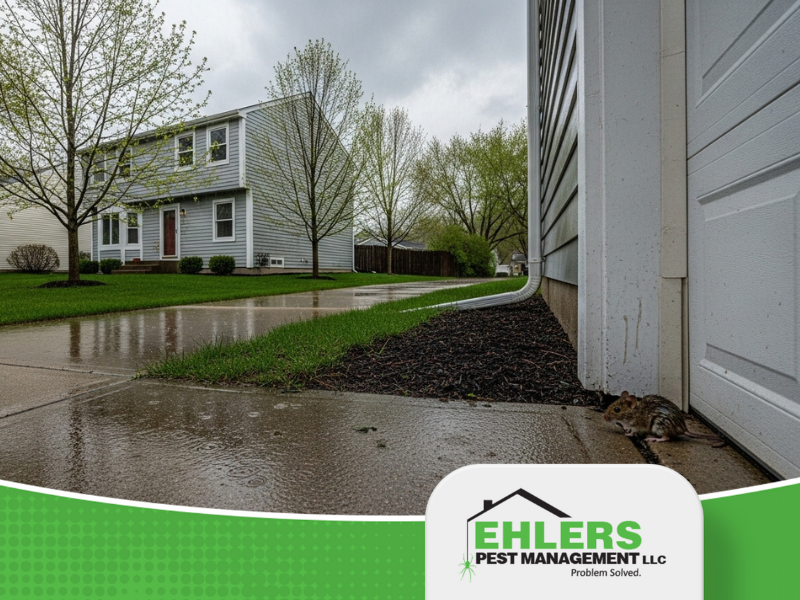
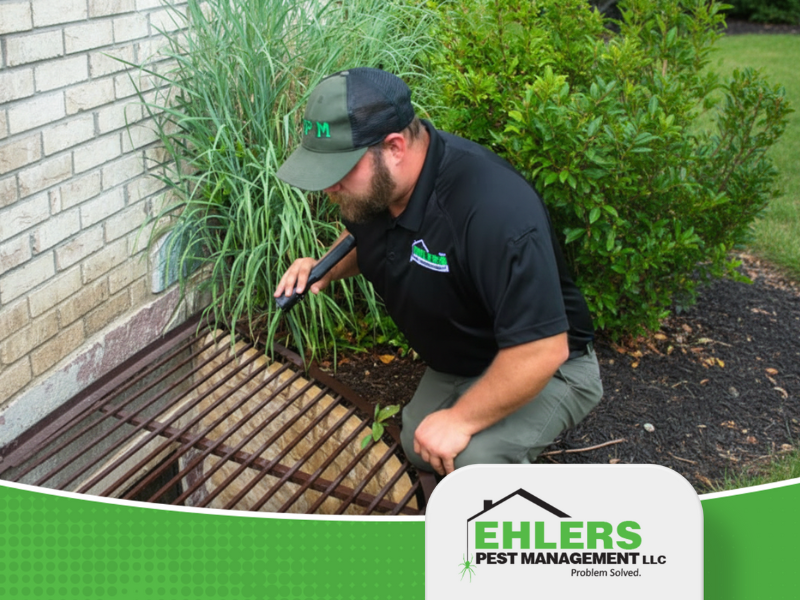
Moisture is one of the biggest drivers of spring pest problems. As snow melts and rain saturates the ground, excess water builds up around foundations, window wells, and basement walls. Many pests are drawn to damp environments, and spring rains often push them closer to structures in search of shelter and stable conditions.

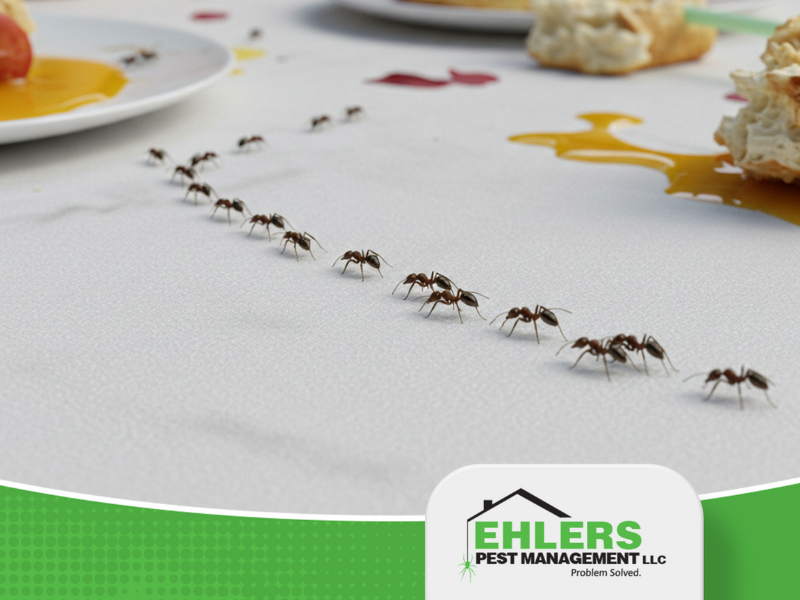
Ants are among the first pests homeowners notice after heavy rain. Saturated soil can flood outdoor nests, forcing ants to relocate. Cracks around foundations, gaps near doors, and utility entry points become convenient pathways indoors. Once ants find food or moisture, trails can form quickly.

Rodents are also affected by spring rain. Burrows can become waterlogged, encouraging mice to move toward higher, drier ground—including garages, basements, and crawl spaces. Homes that experienced winter mouse activity may see increased movement as spring conditions allow rodents to travel more freely.

Spring rains can also expose hidden vulnerabilities in a home. Water intrusion highlights cracks formed during winter freeze–thaw cycles, creating new entry points for pests. Poor drainage, clogged gutters, and standing water near the foundation increase the risk of ongoing pest pressure.

Another challenge is visibility. Rain can drive pests indoors suddenly, leading to unexpected sightings that feel like they came out of nowhere. In reality, the activity was already developing and is simply being revealed by changing conditions.

Milwaukee homeowners can reduce spring pest problems by managing moisture early. Ensuring proper drainage, sealing foundation gaps, repairing damaged screens, and keeping gutters clear all help limit pest access. Addressing issues early in spring makes it easier to prevent larger infestations as temperatures rise.

Spring rain is unavoidable, but pest problems don’t have to be. Understanding how moisture affects pest behavior helps homeowners take proactive steps and enjoy the season without unwanted surprises.

Categories Uncategorized

What May Pest Activity Tells You About Summer Problems Ahead

By May, Wisconsin finally feels like spring. Temperatures are more consistent, lawns are growing, and outdoor activity increases. For pests, May is more than just another warm month—it’s a preview of what summer pest pressure may look like.

Pest activity in May often reflects what’s already established. Ant colonies that became active in early spring are now expanding, sending out more workers in search of food and moisture. If ants are appearing regularly in May, it usually means a nearby colony is well-established and preparing to grow even larger during summer.

Rodent activity can also provide early clues. Mice that entered homes during winter don’t automatically leave when the weather warms. If signs of rodents persist into May, it may indicate nesting inside walls, attics, or garages. Left unchecked, this activity can continue through summer and lead to ongoing contamination or damage.

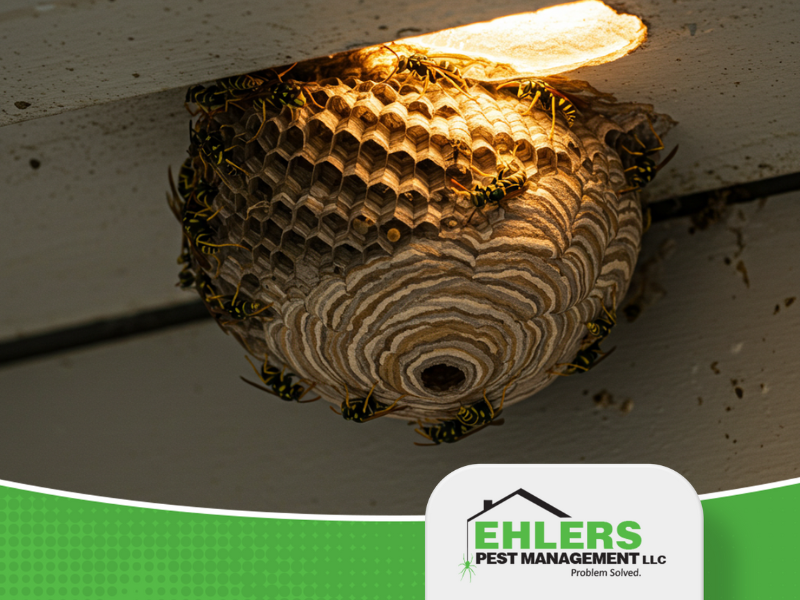
May is also when stinging insect activity begins to increase. Early nests started by queens in spring are growing, even if they’re not yet noticeable. Seeing increased insect traffic around siding, eaves, or ground areas may signal nesting locations that will become more active and aggressive later in the season.

Moisture plays a major role during this time of year. Spring rain combined with warming temperatures creates ideal conditions for many pests. Damp soil, clogged gutters, and shaded areas near foundations can attract insects and encourage nesting close to the home.

What makes May especially important is timing. Pest populations are still manageable, but they’re building momentum. Addressing issues now is far easier than trying to control peak activity during summer months when pests are more numerous and widespread.

Preventative pest control in May focuses on limiting growth rather than reacting to infestations. Sealing entry points, managing moisture, and addressing early signs of activity can significantly reduce summer problems.

May pest activity isn’t just a seasonal nuisance—it’s an early warning system. Paying attention now helps homeowners avoid bigger, more disruptive pest issues as summer approaches.

Categories Uncategorized

Yellowjacket Season Starts Earlier Than You Think in Wisconsin

Many Wisconsin homeowners associate yellowjackets with late summer picnics and fall yard work. While peak activity does happen later in the season, yellowjacket problems actually begin much earlier—often before most people realize it.

In Wisconsin, yellowjacket season typically starts in spring. As temperatures rise and snow melts, overwintered queens emerge from protected areas such as soil, wall voids, or fallen logs. These queens immediately begin searching for nesting sites, often choosing locations close to human activity, including wall cavities, attics, sheds, and underground spaces near foundations.

During early spring, yellowjackets are easy to miss. Activity is minimal at first because colonies are just getting established. A single queen builds the initial nest and begins laying eggs, gradually growing the population. Because numbers are low early on, homeowners rarely notice a problem at this stage.

As spring turns into early summer, the colony grows rapidly. Worker yellowjackets emerge and begin foraging for food, which is usually when homeowners first become aware of their presence. By then, nests are already established and far more difficult to manage.

Wisconsin’s spring weather plays a role in early yellowjacket activity. Mild winters and early warm spells allow queens to emerge sooner and begin nesting earlier than expected. Properties with sheltered areas, ground voids, or older structures may be especially attractive nesting locations.

Another reason yellowjacket season feels sudden is behavior change. Early in the season, yellowjackets focus on building the colony. Later, as populations increase, they become more aggressive while defending their nest and searching for food. This is when stings become more common.

Early awareness makes a big difference. Identifying and addressing nesting activity in spring can prevent large colonies from developing later in summer. Preventative pest control focuses on monitoring, reducing nesting opportunities, and addressing early activity before it escalates.

Yellowjacket season doesn’t start when stings start—it starts when queens begin nesting. Recognizing that spring is the beginning of yellowjacket activity helps homeowners take proactive steps and avoid more serious problems as the season progresses.

Categories Uncategorized

Why Preventative Pest Control Works Best Before Peak Spring Activity

Spring is when many homeowners start noticing pest activity, but by the time pests are visible, they’re often already established. That’s why preventative pest control is most effective when it’s done before peak spring activity begins.

As winter ends, pests don’t suddenly appear—they transition. Rodents that entered homes during winter remain active, while insects begin emerging as temperatures rise and moisture increases. Early spring provides the perfect conditions for pests to expand their activity quietly before becoming noticeable.

Preventative pest control focuses on stopping problems before they grow. Instead of reacting to visible pests, early treatments target entry points, nesting areas, and conditions that attract pests. This includes sealing small gaps created by winter freeze–thaw cycles, addressing moisture around foundations, and reducing food sources that pests rely on.

One of the biggest advantages of early prevention is population control. Ant colonies, rodents, and other pests reproduce more rapidly once spring conditions stabilize. Addressing activity before breeding increases helps prevent small issues from becoming widespread problems later in the season.

Another benefit is reduced damage. Rodents can chew on insulation and wiring, while insects can contaminate storage areas and living spaces. Preventative service limits how long pests have access to these areas, reducing the risk of costly repairs.

Timing also matters for effectiveness. Early spring treatments take advantage of predictable pest behavior, allowing control measures to work more efficiently. When pests are just becoming active, they’re easier to manage than during peak summer months.

For homeowners, preventative pest control means fewer surprises, less stress, and more consistent protection throughout the year. It also supports a healthier living environment by reducing pest-related contamination and indoor activity.

Waiting until pests become a nuisance often means playing catch-up. Starting preventative pest control before peak spring activity helps keep homes protected as the season progresses and makes pest management simpler and more effective overall.