

If you manage rental properties in Wisconsin, property management pest control isn’t a line item you can afford to treat as optional. Pest problems in rental units create tenant complaints, lease disputes, potential legal liability, and in some cases habitability violations that put your rental license at risk. Getting ahead of pest issues rather than reacting to them is one of the most cost-effective decisions a property manager or landlord can make.
Here’s what Wisconsin landlords and property managers need to know about their pest control obligations, how to structure a program that protects your properties and your tenants, and when to call a professional.
Managing rental properties in Milwaukee or Southeastern Wisconsin? Talk to our experienced commercial team about a property management pest control program.
Wisconsin Landlord Pest Control Obligations: What the Law Actually Says
Wisconsin law requires landlords to maintain rental properties in a condition that is fit for human habitation. Pest infestations that affect habitability, including rodents, cockroaches, and bed bugs, fall squarely within this obligation.
Under Wisconsin Administrative Code ATCP 134, landlords are required to:
- Maintain rental units free from conditions that are dangerous to tenant health or safety
- Respond promptly to tenant-reported pest problems
- Disclose known pest issues to prospective tenants before lease signing
Failure to address a reported pest problem within a reasonable timeframe can give tenants grounds to withhold rent, terminate their lease, or pursue legal action. In multi-unit properties, an unaddressed infestation in one unit that spreads to others significantly compounds your liability exposure.
Understanding your obligations before a tenant complaint arrives is significantly better than learning them during a dispute.
The Pest Problems Most Common in Wisconsin Rental Properties
Mice and rodents are the most frequently reported pest issue in Milwaukee rental properties, particularly in older buildings with aging foundations and utility penetrations that haven’t been sealed. Fall and winter drive rodents indoors, and in multi-unit buildings they move freely between units through shared wall voids and plumbing chases.
Bed bugs are a persistent challenge in multi-unit residential properties. They spread between units, tenants dispute responsibility for the source, and treatment in one unit without addressing adjacent units frequently results in reinfestation. Landlord pest control in Milwaukee for bed bugs requires a clear protocol and consistent follow-through.
Cockroaches are most common in older urban rental stock, particularly in properties with shared plumbing and aging kitchen infrastructure. German cockroaches move between units rapidly and are extremely difficult to eliminate without treating an entire building section simultaneously.
Ants and seasonal pests generate consistent tenant complaints in spring and summer, particularly in ground-floor units and properties with mature landscaping close to the building foundation.
Why Reactive Pest Control Costs More Than Preventative Service
This is the calculation most property managers eventually make after dealing with a significant infestation: the cost of reactive treatment for an established pest problem, combined with tenant relations damage, potential legal exposure, and unit downtime, almost always exceeds the cost of a consistent preventative program.
A proactive property management pest control program in Wisconsin typically includes:
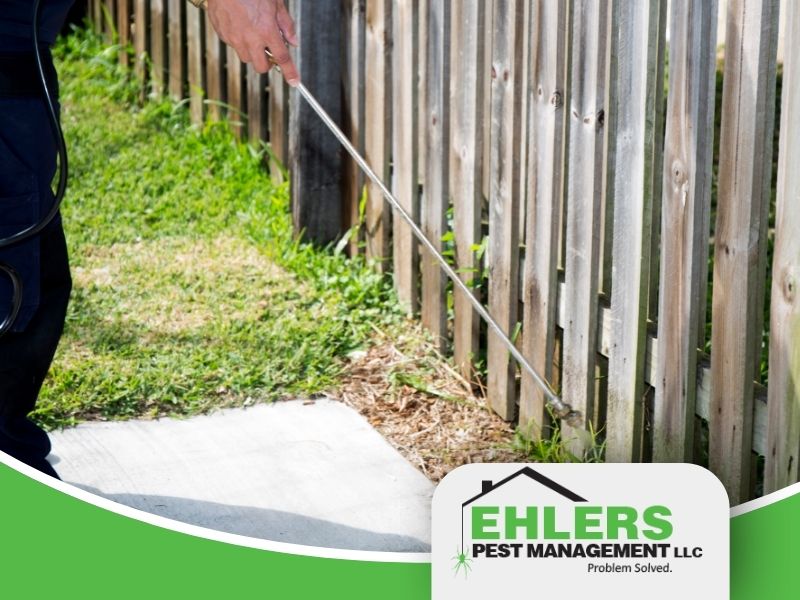
- Scheduled perimeter treatments at exterior entry points, foundation lines, and common areas on a seasonal or monthly basis
- Unit inspections at tenant turnover to identify and address pest activity before a new tenant moves in
- Rapid response protocols for tenant-reported pest issues that keep response times short and documentation thorough
- Service records for every treatment, which protect you in the event of a tenant dispute or habitability complaint
How to Structure Pest Control Across a Multi-Unit Property
Single-family rental properties are relatively straightforward. Multi-unit properties require a more structured approach.
For apartment buildings and multi-unit residential properties, a building-wide treatment program is more effective and more cost-efficient than treating individual units reactively. Treating one cockroach-infested unit while leaving adjacent units untreated almost guarantees reinfestation within weeks. A professional commercial exterminator in Milwaukee can assess your building and recommend a program that addresses the property as a whole rather than as a collection of isolated units.
For larger portfolios across multiple properties, a consolidated service agreement with a single provider gives you consistent documentation, predictable costs, and a technician who knows your properties and their specific pest pressure points.
Protect Your Properties Before a Tenant Complaint Forces Your Hand
Pest problems in rental properties don’t stay contained. They spread between units, generate complaints, and create liability that a consistent professional program would have prevented entirely.
Ehlers Pest Management works with property managers and landlords across Milwaukee and Southeastern Wisconsin to build pest control programs that protect tenants, satisfy Wisconsin habitability requirements, and keep your properties running without the disruption of reactive emergency treatments. Contact us today to talk to our experienced commercial team about a program that fits your portfolio.
Frequently Asked Questions
Who is responsible for pest control in a Wisconsin rental — the landlord or the tenant? In Wisconsin, the landlord is generally responsible for maintaining the property free from pest infestations that affect habitability. Tenant-caused infestations, such as those resulting from unsanitary conditions the tenant created, may shift some responsibility, but the landlord is still typically obligated to address the infestation itself. Consulting with a Wisconsin attorney familiar with landlord-tenant law is advisable for specific situations.
Can a tenant withhold rent for a pest problem in Wisconsin? Wisconsin law provides tenants with remedies for landlord failure to maintain habitable conditions, which can include pest infestations. Tenants may have grounds to withhold rent or pursue other legal remedies if a landlord fails to respond to a reported pest problem within a reasonable timeframe. Prompt response and documentation are your best protection.
How quickly should a landlord respond to a tenant pest complaint in Wisconsin? While Wisconsin law doesn’t specify an exact timeframe, responding within 24 to 48 hours and scheduling professional treatment within a week of a reported infestation is considered reasonable practice. Delays beyond that window increase your liability exposure and give tenants stronger grounds for legal remedies.
How do I handle bed bugs in a multi-unit rental property? Bed bug treatment in a multi-unit property should include the affected unit and all directly adjacent units, including units above, below, and to either side. Treating a single unit in isolation almost always results in reinfestation from neighboring units. A professional assessment of the full affected area is essential before treatment begins.
What pest control documentation should I keep as a Wisconsin landlord? Retain service reports from every pest control treatment, tenant communications related to pest complaints, and any inspection reports that document pest findings or conditions. This documentation protects you in the event of a habitability dispute and demonstrates good-faith compliance with your obligations.