Categories Pest Treatment & Services

How Fast Can You Get Pest Control in Milwaukee? What to Expect

A pest control technician treats a house after an urgent pest control call.

If you’re dealing with a pest problem right now, pest control response time in Milwaukee is probably the first thing on your mind. How soon can someone actually come out? Do you have to wait a week? Understanding what realistic scheduling looks like helps you set the right expectations and make a more informed decision about who to call.

Here’s what actually affects pest control scheduling in Milwaukee, what a reasonable timeline looks like, and how to schedule pest control in a way that gets you taken care of as efficiently as possible.

What Affects Pest Control Response Time in Milwaukee

Scheduling timelines vary based on a handful of practical factors, and understanding them helps explain why one company might get to you faster than another.

  • Time of year. Pest control companies in Milwaukee experience seasonal demand surges, particularly in spring as ants and other pests become active, and in fall as box elder bugs, lady beetles, and rodents move toward homes. Scheduling during peak season generally takes longer than during slower months.
  • Type of pest problem. Some issues require specialized equipment, specific technician certifications, or particular scheduling considerations, which can affect how quickly a company can accommodate a request.
  • Company size and staffing. Smaller, locally owned companies sometimes have more limited daily capacity than larger companies with more technicians on staff, though they often offer more personalized scheduling and direct communication in exchange.
  • Your location within the service area. Technician routing and territory assignments can affect how quickly a company can fit you into an existing schedule, particularly for areas at the edge of a company’s service footprint.

What a Realistic Timeline Looks Like

For most residential pest control requests in Milwaukee, a reasonable expectation is scheduling within a few business days of your initial call, with some flexibility depending on the season and the specific pest involved. Companies that promise instant, guaranteed same-day service for every situation regardless of circumstances are often setting an expectation they can’t consistently deliver.

At Ehlers Pest Management, we give you an honest answer when you call. If we can get to you quickly, we’ll tell you that. If our schedule means a few days’ wait, we’ll tell you that too, along with what to do in the meantime if your situation calls for it. We’d rather set an accurate expectation than make a promise that doesn’t hold up.

How to Schedule Pest Control in Milwaukee Efficiently

A few things you can do when you call help get you scheduled as efficiently as possible:

  • Be specific about what you’re seeing. The more detail you can provide, the type of pest, where you’re seeing activity, how long it’s been going on, the better our team can assess priority and prepare for the visit.
  • Mention any time constraints. If you have specific availability windows due to work, a rental property turnover, or another scheduling need, let us know upfront so we can work around it.
  • Ask about your options. If your first available appointment doesn’t work for your schedule, ask whether there are alternative time slots or whether a cancellation list is available.
  • Consider a service plan if you’re a recurring customer. Customers on an ongoing seasonal or quarterly plan typically have an easier scheduling relationship with their pest control provider, since visits are planned in advance rather than scheduled reactively.

When Timing Matters Most

Some pest situations genuinely benefit from quicker scheduling than others. A wasp nest near a frequently used entry point, a rodent issue in a food preparation area, or a bed bug situation in a multi-unit building are all examples where getting on the schedule sooner meaningfully changes the outcome. When you call, let your pest control provider know if your situation involves any of these factors so they can help prioritize appropriately within their existing schedule.

For situations that are uncomfortable but not actively worsening by the hour, a few days’ wait for the right technician and the right treatment plan is generally a better outcome than rushing into a less thorough visit.

What to Expect When You Call Ehlers

When you call Ehlers Pest Management, you’re talking to someone local who can give you an honest assessment of your situation and a realistic timeline based on our actual schedule, not a generic promise designed to get you off the phone. We’ll work with you to find a time that fits your situation and explain what to expect before your appointment.

To schedule service or talk to our experienced team about your specific pest problem, contact us today.

Categories Pest Treatment & Services

Locally Owned Pest Control in Milwaukee: Why It Makes a Real Difference

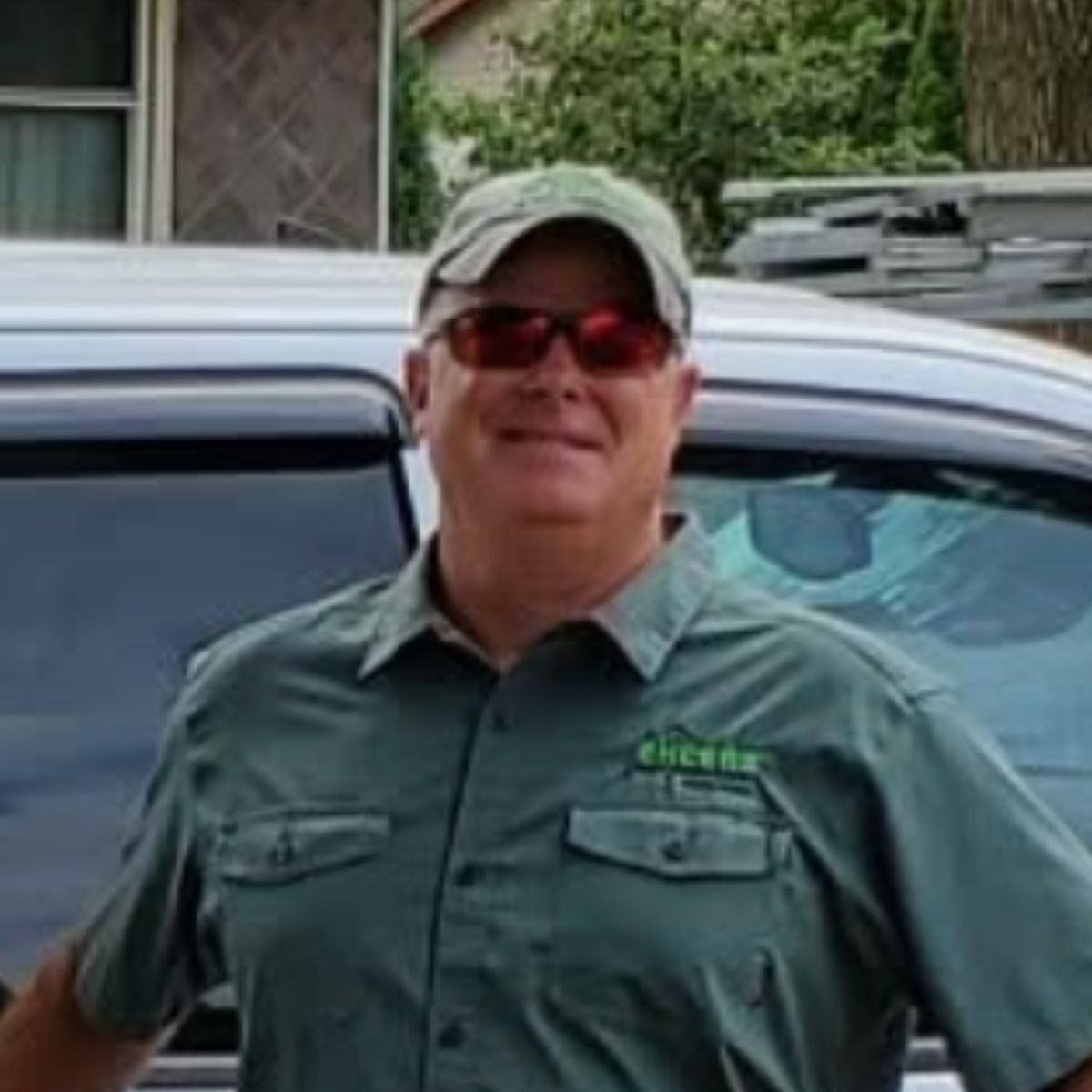
A local pest control technician stands in front of his truck

Locally owned pest control in Milwaukee sounds like a simple thing to find, but it’s gotten harder to verify than it used to be. Plenty of companies advertise themselves as local while actually operating as a franchise location of a much larger regional or national company. Understanding the difference matters, because genuine local ownership affects everything from pricing decisions to who actually shows up at your door.

Here’s what locally owned pest control in Milwaukee actually means, how to tell the difference between genuine local ownership and a franchise dressed up as local, and why it matters for your home or business.

“Local” Doesn’t Always Mean What You Think

A lot of companies in the pest control industry use the word local in their marketing, but that word can mean very different things depending on the company. A franchise operation might genuinely have a local office and local technicians, while the business decisions, pricing structures, and corporate policies are all set by a parent company headquartered somewhere else entirely.

This isn’t always obvious from a website or a truck parked outside a customer’s home. The franchise model is specifically designed to look and feel local, even when the actual operating structure is closer to a big-box business model with a regional or national company behind it.

What Genuine Local Ownership Looks Like

A genuinely locally owned pest control company in Milwaukee, like Ehlers Pest Management, has a different structure entirely. There’s no parent company setting pricing or policy from another state. The people making decisions about how the business operates are the same people who live in this community and answer the phone when you call.

A few things distinguish genuine local ownership:

  • Decisions get made locally. Pricing, scheduling, and service standards are set by the people who actually run the business in Southeastern Wisconsin, not dictated by a corporate office elsewhere.
  • The company has deep roots in the specific community it serves. Genuine local businesses tend to have longer histories in a specific area, rather than a recently opened franchise location.
  • Staff are part of the community. Technicians and office staff live in the area they serve and have firsthand knowledge of local seasonal pest patterns, housing stock, and neighborhood-specific conditions.
  • There’s no franchise fee structure influencing pricing. Franchise locations often build franchise fees into their pricing models, which can affect what customers ultimately pay.

Why Local Ownership Affects Service Quality

Beyond the values question, local ownership has practical implications for the service you actually receive. A locally owned pest control company in Milwaukee has a direct, personal stake in its reputation within this specific community. Word of mouth, local reviews, and repeat business from neighbors matter in a way that’s harder to replicate at a franchise location reporting performance metrics to a distant corporate office.

This often translates into more attentive service, more flexibility to address a customer’s specific situation, and more accountability when something needs to be made right. A local pest control company in Milwaukee isn’t managing a script handed down from corporate. It’s managing its own reputation, one job at a time.

How to Tell If a Company Is Actually Locally Owned

A few direct questions help you figure out whether a company claiming to be local actually is:

  • Ask directly whether the company is independently owned or part of a larger franchise or regional network.
  • Look at how long the company has operated in the specific community, not just how long the brand name has existed.
  • Ask who sets pricing and service policy, the local office or a corporate parent company elsewhere.
  • Pay attention to how the company talks about itself. Genuine local businesses tend to be specific about their history and community involvement rather than relying on generic local-sounding marketing language.

Choosing Locally Owned Pest Control in Milwaukee

Ehlers Pest Management is a genuinely locally owned and independently operated pest control company that has served Milwaukee and Southeastern Wisconsin since 2010. There’s no franchise fee built into our pricing, no corporate office setting policy from somewhere else, and no distance between the people who run the business and the community we serve.

To schedule service or talk to our experienced team about what genuine local ownership means for how we treat your home or business, contact us today.

Frequently Asked Questions

How do I know if a pest control company is actually locally owned?

Ask directly whether the company is independently owned or operates as a franchise of a larger company. You can also research how long the specific business has operated in your community and whether local decision-makers or a distant corporate office sets pricing and policy.

Is locally owned pest control more expensive than a franchise or national chain?

Not necessarily. In some cases, locally owned companies can offer more competitive pricing because they aren’t building franchise fees into their cost structure. Pricing varies by company regardless of ownership structure, so it’s worth comparing actual quotes.

Are locally owned pest control companies as qualified as larger companies?

Yes. All pest control companies operating in Wisconsin, regardless of size or ownership structure, are subject to the same state licensing and certification requirements. Ownership structure doesn’t affect regulatory qualifications.

What’s the difference between a franchise and a locally owned business?

A franchise operates under a licensing agreement with a larger parent company, which often sets pricing structures, branding, and operational policies. A locally owned business is independently operated, with local decision-makers controlling pricing, service standards, and business direction.

Categories Pest Control Costs & Planning

Terminix vs. Local Pest Control in Milwaukee: What You’re Actually Paying For

A local pest control technician stands in front of his work truck.

If you’re comparing Terminix vs. local pest control in Milwaukee, the decision often comes down to more than just the price in a quote. National chains like Terminix have scale, brand recognition, and national advertising budgets. Local, independently owned companies offer something different: direct accountability, consistent technicians, and pricing tied to the actual job rather than a national pricing structure.

Here’s what actually differs between national chains and local pest control in Milwaukee, and what that difference means for your wallet and your experience.

How National Pest Control Chains Operate

Much of the Milwaukee pest control market has consolidated in recent years. Familiar regional names have been acquired by larger national and international companies, which changes how service actually gets delivered, even when the branding on the truck looks similar to what it used to be.

A few structural realities come with that consolidation:

  • Calls route to national call centers, not local branches. The person answering the phone is often not in Wisconsin and doesn’t have direct knowledge of your local branch’s schedule, technicians, or service area.
  • Dedicated sales staff, not technicians, often handle the initial sale. Door-knockers and phone salespeople who have never performed pest control themselves are common in the national chain model, and the technician who eventually shows up may be someone different entirely.
  • High technician turnover is common at larger companies, which can mean less experienced staff handling your service, and less consistency from one visit to the next.
  • National pricing structures and contract terms are built for scale across many markets, which can mean less flexibility for your specific situation and longer contract commitments than a one-time problem actually requires.

What Local Pest Control in Milwaukee Looks Like Instead

Independently owned, local pest control in Milwaukee operates on a fundamentally different model. At Ehlers Pest Management, when you call, you reach our local branch and talk with people who actually live in this area, not a national call center.

A few things that look different with a local exterminator in Milwaukee:

  • Technicians handle the sales, not dedicated salespeople. The certified, licensed person who inspects your home is the same person who prices the job and performs the work.
  • Pricing is based on an actual inspection, not a flat rate quoted over the phone before anyone has seen your home.
  • Local staff understand Wisconsin’s specific seasonal pest patterns, rather than applying a treatment calendar built for a different climate.
  • Slower, steadier growth means the company isn’t optimizing for volume at the expense of service quality.

What You’re Actually Paying For

Price comparisons between Terminix and local pest control in Milwaukee aren’t always apples to apples, because the price on a quote doesn’t always reflect the full picture of what’s included or what happens later.

National chains sometimes advertise low introductory pricing that looks appealing upfront. The fine print often includes multi-year contracts, limited pest coverage that doesn’t extend to whatever new problem shows up later, and additional charges for anything beyond the basic service. A homeowner who signs up for a low monthly rate may find themselves locked into a contract for pest coverage they don’t actually need for the full term.

Local pest control pricing, when done right, reflects the actual job. An inspection identifies what’s really happening in your home, and the price is based on that assessment rather than a national rate card. There’s no two-year commitment for a problem that might be resolved with a single targeted treatment.

Service Consistency: Who Actually Shows Up

One of the most overlooked differences between Terminix and local pest control in Milwaukee is who actually performs the work. At larger companies with high technician turnover, the person who shows up for your service this quarter may not be the same person who treated your home last quarter. That inconsistency means re-explaining your situation every time and starting over with a new technician’s assessment.

A local, independently operated company with lower turnover and a smaller, more stable team tends to provide more consistent service. The same technicians become familiar with your property over time, which makes every subsequent visit more efficient and more accurate.

Making the Right Choice for Your Situation

National chains aren’t wrong for every situation. Larger companies have scale advantages for certain commercial accounts that genuinely need centralized billing across many locations. But for most Milwaukee homeowners and independently owned local businesses, a local pest control company offers more direct accountability, more consistent service, and pricing that reflects the actual problem rather than a national pricing model.

Ehlers Pest Management has been an independently operated, local pest control company in Southeastern Wisconsin since 2010. To schedule service or talk to our experienced team about how our approach compares to a national chain, contact us today.

Frequently Asked Questions

Is Terminix more expensive than local pest control in Milwaukee?

It depends on the specific service and contract terms. National chains sometimes advertise lower introductory pricing, but multi-year contracts and limited coverage can make the total cost higher over time. Local pest control pricing is typically based on an actual inspection of your specific situation.

Does Terminix use the same technicians every visit?

This varies by branch and by the company’s current staffing levels. Larger national companies generally experience higher technician turnover than smaller, independently operated local companies, which can affect consistency from one visit to the next.

Are local pest control companies in Milwaukee licensed and certified the same way as Terminix?

Yes. All pest control companies operating in Wisconsin, regardless of size, are required to meet the same state licensing and certification standards. Company size doesn’t change regulatory requirements.

Can I switch from a national chain to a local pest control company?

In most cases, yes, though if you’re currently under a multi-year contract with a national provider, review the terms for cancellation fees or notice requirements before switching. A local company can typically begin service once your existing agreement allows.

Categories Safe & Family-Friendly Pest Control

Why Choose a Veteran-Owned Exterminator in Milwaukee

John Ehlers poses in front of his Ehlers Pest Managament Truck, a proud veteran-owned business owner.

When you’re choosing between pest control companies in Milwaukee, a veteran-owned exterminator in Milwaukee might not be the first thing you think to look for, but it’s worth considering. Veteran ownership tends to come with a specific set of values, accountability, integrity, and a refusal to cut corners, that shape how a business actually operates, not just how it markets itself.

Here’s what veteran ownership actually means for Ehlers Pest Management, why it matters in how we treat customers, and what to look for if this is something that matters to you.

What Veteran Ownership Actually Means for a Pest Control Business

Being veteran-owned isn’t a badge slapped on a website. For Ehlers Pest Management, it reflects how the business is actually run day-to-day. Military service instills a specific set of habits and expectations: do what you say you’re going to do, take responsibility for the outcome, and don’t promise something you can’t deliver.

Those values translate directly into Ehlers’ approach to pest control. The business has been protecting Wisconsin homes and businesses since 2010, built on the same principles that defined military service: integrity, reliability, and doing the job right the first time.

Integrity Over Shortcuts

One of the clearest ways veteran ownership shows up at Ehlers is in how pricing and service decisions get made. Rather than quoting a cheap number over the phone to win the sale and then delivering something different once a technician arrives, Ehlers leads with an honest inspection and an honest price for the actual work needed.

This matters because the pest control industry has no shortage of companies willing to lead with a low advertised price and make up the difference later through contracts, limited coverage, or upsells. A veteran-owned exterminator in Milwaukee, built on accountability, doesn’t operate that way. The price reflects the problem, not a sales tactic.

Doing What You Say You’ll Do

Military service builds a strong relationship with follow-through. Orders get executed, commitments get honored, and excuses don’t solve problems. That mindset carries directly into how Ehlers handles service.

In practice, this means technicians who show up prepared, treatment plans that get explained clearly before any work begins, and follow-up that actually happens rather than getting promised and forgotten. It’s a different standard than what’s common in an industry known for high turnover and inconsistent service quality.

Quality Over Aggressive Growth

Many pest control businesses chase rapid growth through high-pressure sales tactics, door-to-door selling, and volume-driven business models. Ehlers has deliberately avoided that path, choosing slower, steadier growth that doesn’t compromise the quality of service customers receive.

This is a values-driven business decision, not a limitation. It reflects a veteran-owned pest control approach in Wisconsin that prioritizes doing right by existing customers over maximizing the number of new ones brought on through tactics that erode trust.

Why This Matters When You’re Choosing a Pest Control Company

Plenty of companies use trust signals as decoration. Veteran ownership only means something when it’s reflected in how a business actually treats its customers. A few questions help you evaluate whether a company’s stated values match its actual operations:

  • Does the company give honest pricing based on an actual inspection, or a cheap number over the phone designed to get a foot in the door?
  • Do technicians follow through on what they say they’ll do, including follow-up after treatment?
  • Is the company transparent about what’s covered and what isn’t, or does it rely on fine print and limited coverage to manage costs?
  • Does the company’s growth and sales approach feel aggressive and pressured, or steady and customer-focused?

A veteran-owned exterminator in Milwaukee that genuinely operates by these principles will hold up well against every one of these questions.

Proud to Serve, Proud to Protect

Ehlers Pest Management is proud to be veteran-owned and to bring those values into every home and business we serve across Milwaukee and Southeastern Wisconsin. We believe pest control should be straightforward, honest, and accountable, the same standards that defined our service to this country.

To schedule service or talk to our experienced team about how we approach pest control differently, contact us today.

Categories DIY vs. Professional Pest Control

What Is Integrated Pest Management (IPM)? A Wisconsin Homeowner’s Plain-Language Guide

A pest control technician discusses Integrated Pest Management with a Wisconsin homeowner.

If you’ve seen the term integrated pest management in Wisconsin and weren’t sure what it actually means beyond marketing language, you’re not alone. IPM gets used loosely across the pest control industry, but it’s a real, structured approach with a specific process behind it, and understanding it helps you evaluate whether a pest control company is actually doing things right or just using the term because it sounds responsible.

Here’s what IPM actually means, how it works in practice, and why it matters for your home.

What Integrated Pest Management Actually Is

Integrated pest management is an approach to pest control that prioritizes understanding the cause of a pest problem before reaching for a chemical solution. Rather than treating every pest sighting with the same broad application of product, IPM asks why the pest is there in the first place, what’s attracting it, how it’s getting in, and what the most targeted, effective response looks like.

This matters because broad, untargeted chemical application is neither the most effective nor the most responsible way to solve most pest problems. A company practicing genuine IPM treats the conditions causing the problem, not just the pest you happened to notice.

The Four Steps of IPM

A proper IPM program follows a consistent process, regardless of what pest you’re dealing with.

Consult. The process starts with a conversation, not a treatment. Before anything else happens, your technician should understand your specific situation, your concerns, your household, and what you’ve already observed. Questions get answered before any work begins.

Assess. A thorough inspection identifies what’s actually causing the problem, structural or environmental conditions contributing to it, and the extent of any existing activity. This step is where accurate species identification happens, which directly determines what treatment will actually work.

Respond. Treatment is implemented based on what the assessment found, starting with the lowest-impact methods available. This often means mechanical traps, exclusion work, and targeted bait placement before any broader product application. When products are necessary, they’re applied precisely in the locations where they’ll be effective rather than broadcast across an entire space.

Evaluate. Following up after treatment confirms whether the approach worked, identifies what to expect going forward, and adjusts the plan if needed. You should never be left wondering whether a treatment actually solved the problem.

Why IPM Matters More in Wisconsin Specifically

Climate plays a real role in how pest control should be approached in Wisconsin. Treatment strategies built for warmer, year-round pest pressure in other parts of the country don’t always make sense applied here without adjustment, and a company that understands seasonal Wisconsin pest behavior is positioned to apply IPM more effectively than one following a generic national playbook.

It’s also worth noting that Wisconsin’s pest seasons have been shifting somewhat in recent years, with milder winter stretches occasionally allowing certain pest activity to persist longer than homeowners might expect from past experience. This doesn’t change the fundamentals of IPM, but it does reinforce why the assessment step matters. A company that actually evaluates your specific situation, rather than applying the same seasonal calendar every year regardless of conditions, is better positioned to catch a problem that’s behaving slightly outside the usual pattern.

What IPM Looks Like for Common Wisconsin Pests

IPM principles apply differently depending on what you’re dealing with:

  • Ants — identifying the species and locating the colony before treatment, using targeted bait rather than broad spraying that can scatter or split a colony
  • Mice and rodents — focusing on exclusion and entry point sealing alongside population control, rather than relying on poison alone
  • Box elder bugs and seasonal exterior pests — combining exclusion with timed perimeter treatment rather than waiting until large numbers have already entered the home
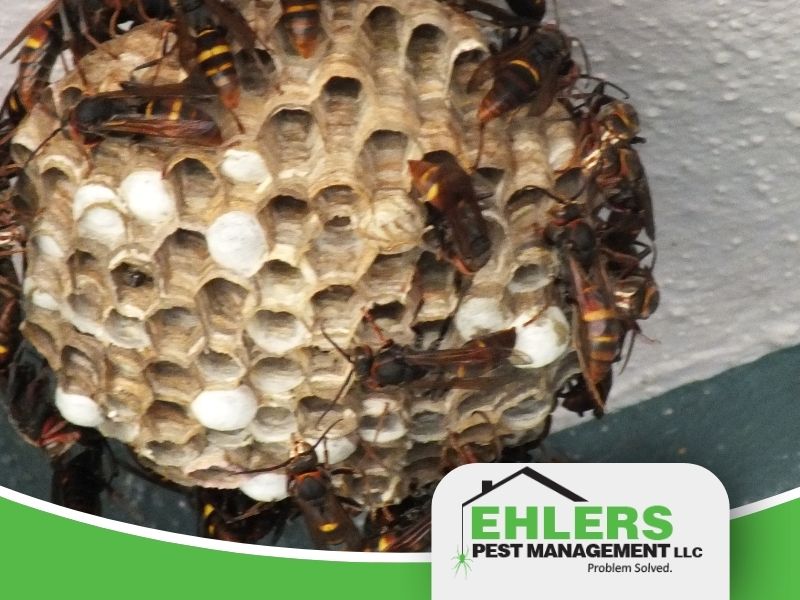
  • Wasps and stinging insects — accurate identification of species and nest type before determining the safest, most effective removal approach

In every case, the goal is the same: solve the actual problem with the least disruptive, most targeted method available.

How to Tell If a Pest Control Company Is Actually Practicing IPM

Plenty of companies use the term IPM without genuinely following the process. A few questions help you evaluate whether a company is doing the real thing:

  • Does the technician ask questions and inspect before recommending treatment, or do they quote a flat price over the phone without seeing your home?
  • Can they explain why a specific treatment is being recommended for your specific situation?
  • Do they mention exclusion and prevention, or only product application?
  • Do they follow up after treatment to confirm it worked?

If the answer to most of these is no, the company may be using IPM as a buzzword rather than an actual operating method.

A More Thoughtful Approach to Pest Control

IPM isn’t a marketing term at Ehlers Pest Management. It’s the actual four-step process every technician follows on every visit, regardless of what pest you’re dealing with. We believe a more thoughtful approach produces better results with less unnecessary product, and our customers see the difference in how problems actually get resolved rather than just temporarily masked.

To schedule service or talk to our experienced team about how IPM applies to your specific situation, contact us today.

Frequently Asked Questions

Is integrated pest management more expensive than regular pest control?

Not typically. IPM often uses less product overall because treatment is targeted rather than broadly applied, which can make it more cost-effective over time, especially when it successfully prevents recurring problems.

Does IPM mean no chemicals are used at all?

No. IPM doesn’t eliminate the use of pest control products, it prioritizes using them precisely and only when necessary, alongside other methods like exclusion and mechanical control. The goal is effective, responsible treatment, not avoiding products altogether.

How is IPM different from regular pest control?

Regular or conventional pest control often defaults to broad chemical application regardless of the specific situation. IPM starts with assessment and identification, uses the least disruptive effective method first, and follows up to confirm results, which generally produces more durable outcomes.

Can IPM solve a pest problem that’s already established?

Yes. IPM is not just a prevention strategy, it’s an effective framework for addressing active infestations as well. The assessment step ensures treatment is targeted appropriately to the actual scope of the problem.