Categories Cockroaches, Pest Treatment & Services

Cockroach Exterminator Milwaukee: How to Get Rid of Roaches for Good

cockroach exterminator Milwaukee inspecting couch for active roach infestation with flashlight

If you’ve seen a cockroach in your Milwaukee home, your first instinct is probably to deal with it immediately. That instinct is right. Finding a cockroach exterminator in Milwaukee and acting quickly is one of the most important things you can do, because roach problems move fast and don’t resolve on their own.

Cockroaches are among the most common pest calls we receive across Milwaukee and Southeastern Wisconsin. And in a city with a mix of older homes, dense neighborhoods, and active restaurant and food service businesses, the conditions that attract them are widespread.

Here’s what you need to know about cockroaches in Milwaukee homes, why they’re so difficult to eliminate without professional help, and what effective treatment actually looks like.

Cockroaches in Milwaukee: What You’re Likely Dealing With

Two species account for the vast majority of cockroach problems in Milwaukee homes and businesses:

German cockroaches are the most common indoor species in Wisconsin, and the most problematic. They’re small (about half an inch), light brown, and reproduce at an extraordinary rate. A single female German cockroach can produce hundreds of offspring in her lifetime. They prefer warm, humid environments near food and water, which makes kitchens and bathrooms their primary habitats. German cockroaches thrive in Milwaukee’s older residential and commercial building stock, particularly in kitchens with aging plumbing, tight cabinet runs, and appliances that haven’t been pulled out in years.

If you’re seeing roaches in your kitchen, German cockroaches are the most likely culprit.

American cockroaches are larger (up to 2 inches!) and reddish-brown. They’re more commonly found in basements, crawl spaces, and utility areas. They prefer damp environments and are often associated with sewage and drainage systems. In Milwaukee, American cockroaches are most commonly found in older homes with basement drains, crawl spaces, and utility connections that provide easy exterior access, particularly in neighborhoods with aging sewer infrastructure.

While less common in living areas than German cockroaches, American cockroaches are a serious indicator of moisture issues and entry points that need to be addressed. 

Knowing which species you’re dealing with matters because treatment approaches differ. A cockroach exterminator in Milwaukee will identify the species before recommending a treatment plan.

Why Cockroaches Are So Hard to Eliminate on Your Own

Roaches are resilient in ways that make DIY treatment consistently frustrating:

  • They hide extremely well. Cockroaches are nocturnal and spend the majority of their time in cracks, crevices, and voids that are completely inaccessible to over-the-counter sprays. Seeing roaches during the day is actually a sign of a significant infestation — it means the hidden population has grown large enough to push individuals into the open.
  • They reproduce faster than most treatments work. German cockroaches in particular reproduce so quickly that incomplete treatment allows populations to rebound within weeks.
  • They develop resistance. Cockroaches have demonstrated the ability to develop resistance to commonly used insecticides, including some over-the-counter products. Using the wrong product repeatedly can select for resistant populations.
  • They’re not just where you see them. A few roaches visible in your kitchen likely means hundreds more hiding in wall voids, behind appliances, under cabinets, and inside electrical outlets.

What Professional Roach Control in Milwaukee Looks Like

For Milwaukee homeowners and businesses, effective roach control means accounting for the specific conditions common to the area: older construction, shared walls in multi-unit buildings, and the humidity that builds up in basements and crawl spaces during Wisconsin summers.

Effective roach control in Milwaukee requires a combination of approaches applied strategically,  not just a single product sprayed around the kitchen.

Inspection and identification comes first. A trained technician will identify the species, locate harborage areas, and assess the extent of the infestation before any treatment begins. This step directly determines what products are used and where.

Gel bait application is the cornerstone of professional German cockroach treatment. Gel bait is applied in small amounts in precise locations (inside cabinet hinges, along the back of drawer slides, near appliances, inside outlet covers) where roaches travel and hide. Roaches consume the bait and carry it back to the harborage, where it spreads through the population. Applied correctly, gel bait is highly effective even in areas where sprays can’t reach.

Insect growth regulators (IGRs) are used alongside bait to disrupt the reproductive cycle, preventing eggs from developing into reproducing adults. This is a critical component of breaking the population cycle, especially for German cockroach infestations.

Residual treatment in appropriate areas provides ongoing control between visits and targets roaches moving through treated zones.

Follow-up inspection confirms that treatment has worked and addresses any remaining activity. For significant infestations, multiple visits are standard. A reputable company will include follow-up as part of the treatment plan, not as an additional charge.

What You Can Do to Support Treatment

Professional treatment works significantly better when paired with a few actions on your end:

  • Eliminate food and water sources. Fix leaking pipes, clean up spills promptly, store food in sealed containers, and empty trash regularly. Roaches can survive on minimal food, and reducing the availability of food forces them to seek out bait.
  • Reduce clutter. Cardboard boxes, paper bags, and stacked materials provide harborage. Decluttering, especially in kitchens, basements, and utility areas, removes hiding spots.
  • Don’t spray before treatment. Contact sprays applied before a professional visit can scatter roaches and contaminate bait placements, reducing effectiveness.
  • Give treatment time to work. Gel bait works gradually across the population. You may see some activity for 1–2 weeks after treatment as the product works through the colony. Increased activity near bait placements is normal. It means roaches are finding and consuming it.

Act Before the Problem Gets Worse

Cockroach infestations don’t plateau. They grow. A small number of roaches were seen today, but that represents a much larger hidden population, and that population will continue to expand until something stops it. Early treatment is faster, less disruptive, and less expensive than treating a fully established infestation.

If you’ve seen cockroaches in your Milwaukee home or business — or anywhere across Southeastern Wisconsin, from West Allis to Oak Creek, Wauwatosa to Racine — Ehlers Pest Management can help. We provide targeted, effective roach control with a straightforward process and no unnecessary upsells. 

Schedule your inspection today.


Frequently Asked Questions

Are cockroaches common in Milwaukee homes? More common than most homeowners expect. Milwaukee’s older housing stock, dense neighborhoods, and active restaurant scene create conditions where cockroaches — particularly German cockroaches — find plenty of opportunity. Roach problems are reported year-round in Milwaukee, though warm, humid summer months tend to accelerate activity indoors. If you’re seeing them, you’re not alone. Professional treatment is the most reliable way to eliminate them for good.

Does seeing one cockroach mean I have an infestation? Not necessarily — but it warrants immediate attention. A single roach seen during the day is a stronger indicator of an established infestation than one seen at night, since daytime activity often signals an overcrowded harborage. Either way, it’s worth having a professional assess the situation rather than waiting to see if more appear.

How long does cockroach treatment take to work? Gel bait treatment typically produces a noticeable reduction in activity within 1–2 weeks. Full elimination of a significant infestation may take 2–4 weeks and more than one visit. Your technician will give you a realistic timeline based on what they find during the inspection.

Can cockroaches come back after professional treatment? A properly executed treatment plan should eliminate the existing infestation. Reinfestation can occur if cockroaches are reintroduced through used appliances, grocery bags, or shared walls in multi-unit buildings. Ongoing monitoring and sealing entry points reduces this risk significantly.

Are cockroaches dangerous? Yes. Cockroaches contaminate food and surfaces with bacteria, shed skins, and droppings. Cockroach allergens are a documented trigger for asthma and allergic reactions, particularly in children. Beyond the health risks, a cockroach infestation can cause serious reputational damage for food service businesses.

Why do I have cockroaches if my home is clean? Cleanliness reduces attractants but doesn’t prevent cockroaches entirely. Roaches can enter through grocery bags, used appliances, cardboard boxes, plumbing, and gaps in the structure. German cockroaches in particular thrive in even minimally hospitable conditions.

Categories Uncategorized

5 Wisconsin Pests Who Are More Active in Your Home During the Winter

Wisconsin Winter Pests

5 Wisconsin Pests Who Are More Active in Your Home During the Winter

These Critters Won’t Take a Hint! When Cold Weather Comes, They Invite Themselves Indoors

While summer might be prime time for certain pests like mosquitos, hornets and crickets, there are some critters who flee to the warmth of your home when the weather gets chilly. You might not see these creatures all summer until they’re depending on you to pay for their heating bill.

Pest #1:
Rodents

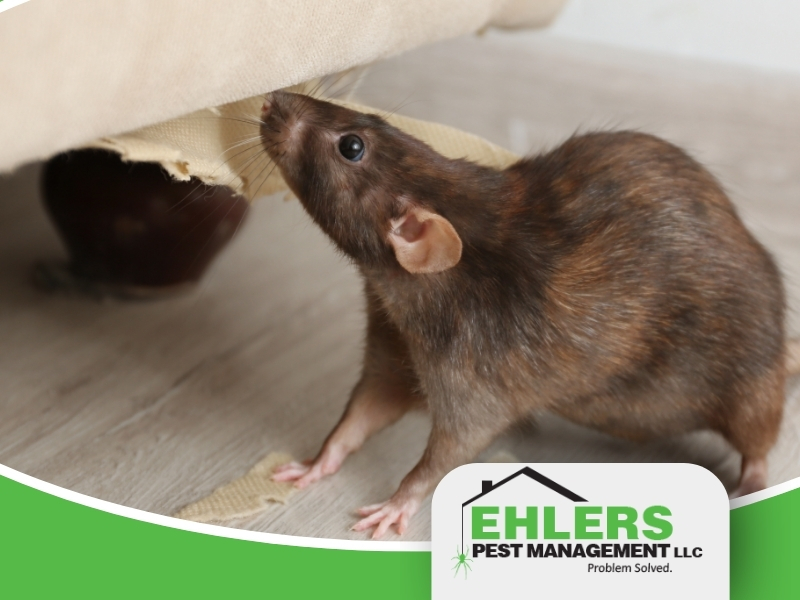
Some of the most resilient mammals are rodents. They’re willing to do anything to survive. Rats don’t hibernate, which means they’re awake all winter and constantly searching for a warm place to curl up for the night. Rats might be tricky and tough, but they aren’t subtle. You’ll know you have one if you see brown rat droppings the size of a grain of rice or smudges on surfaces. You may hear scratching noises as the pesky little home invaders skitter around inside your walls.

Pest #2:
Spiders

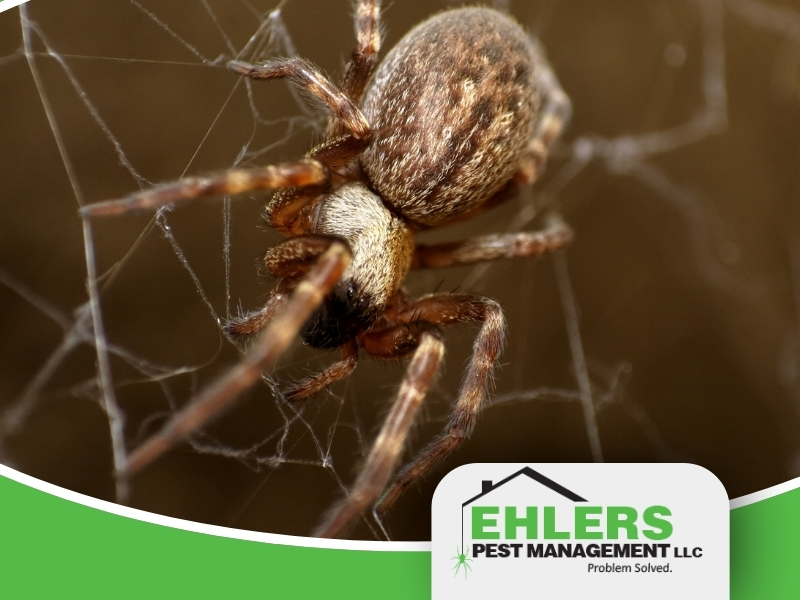
One of the creepiest creatures that can find their way into your house during the winter is spiders. The most disturbing fact about house spiders coming out in the winter is that they have probably been hiding in your house for some time. Many spiders hatch in the spring, and by winter they are mature enough to stretch their long legs and begin wandering around to hunt and mate.

Pest #3:
Boxelder Bugs

Some pests aren’t dangerous, nor do they cause property damage, but their sheer numbers can make them an unpleasant nuisance. Box elder bugs fall into that category. In the winter boxelder bugs go dormant within the walls of houses and other nooks and crannies. On sunny or warm days, boxelder bugs can be awakened from their slumber and crawl into your house towards the warmth. Boxelder bugs do not reproduce indoors during the winter, but the sheer number of them invading your house can make it seem like they’re rapidly multiplying.

Pest #4:
Carpenter Ants

During the summer it may not be unusual to see one or two carpenter ants inside your home, but if you see them in the winter it might be a sign of trouble. Carpenter ants in your home during the winter can be an indication that they have begun nesting in the warmth of your house. Carpenter ants can cause serious structural damage to your house and should be eradicated immediately.

Pest #5:
Squirrels

Much like rats and mice, squirrels would prefer the warm cozy insides of your walls over a tree or outdoor den. These little climbers typically spend their winters curled up in nests in trees, but if they can find their way into your attic or walls they will take advantage of the safe space you provide. You’ll know you have squirrels if you see holes in your soffits or overhangs, especially into your garage or attic, or if you hear scratching and rustling in your walls.

You don’t have to put up with these unwelcome guests—winter’s stressful enough! Call Ehlers Pest Management instead. Our expert exterminators offer fast and environmentally-friendly pest control services to take care of your winter infestation.

Contact Ehlers Pest Management to evict the pests who have chosen to winter in your home.

Categories Uncategorized

Do Landlords Pay for Pest Control in Wisconsin?

Landlord or Tenant?

Do Landlords Pay for Pest Control in Wisconsin?

What You Should Know If Pests Are in Your Apartment

The landlord is responsible for paying for pest control when natural circumstances cause the infestation, according to Wisconsin State Legislature law regarding tenant responsibility for pest control. The law makes the landlord responsible if the pest problem was present in the home before renting and not disclosed. However, the tenant may be held responsible if the infestation is deemed their fault. Ultimately, you should consult your lease and an experienced attorney. It is every landlord’s responsibility to provide habitable living conditions, but it depends on who caused the infestation.

Regardless of where responsibility lies, bedbugrodent and cockroach pest infestations pose a serious health hazard. The first thing you should do is schedule an appointment with a pest control professional to remedy the problem. Worry about who will pay later. Even if your landlord fixes the problem before your appointment, having the paperwork from another company will show you took steps to fix the problem yourself in a legal dispute.

What if my Landlord Didn’t Tell Me About a Pest Problem?

Landlords must provide habitable units. According to Wisconsin law, a landlord must disclose: “Any structural or other conditions in the dwelling unit or premises which constitute a substantial hazard to the health or safety of the tenant, or create an unreasonable risk of personal injury as a result of any reasonably foreseeable use of the premises other than negligent use or abuse of the premises by the tenant.” In other words, if your landlord knows of a serious pest issue in your unit and doesn’t tell you before you move in, they are liable and must pay for removal.

When Are You Responsible for Pest Control?

If it is determined a pest problem is your fault, you will be responsible to pay for pest control. If you’re facing the burden of pest control, give Ehlers Pest Management a call today. We offer fast, comprehensive service with lasting results. 

Wisconsin Bedbug Laws - Who Pays

Wisconsin law clearly states premises repairs are the landlord’s responsibility, but there are caveats regarding the cause of the repair issue. Wis. Stat. 704.07(3)(a) says, about the duty of the tenant, that:

“If the premises are damaged, including by an infestation of insects or other pests, due to the acts or inaction of the tenant, the landlord may elect to allow the tenant to remediate or repair the damage and restore the appearance of the premises by redecorating. However, the landlord may elect to undertake the remediation, repair, or redecoration, and in such case, the tenant must reimburse the landlord for the reasonable cost thereof.”

Through “acts or inaction,” the tenant can be made the responsible party for eliminating an infestation. With bed bug infestations, proving where the problem originated can be difficult for two reasons: 

  1. Dirty apartments don’t attract bedbugs. A common myth is that bedbugs prefer dirty apartments. Bedbugs live entirely off blood, mostly human blood. They’ll be happy staying in a filthy apartment or luxurious penthouse all the same as long as humans are near. As a tenant, you won’t be liable for a problem just because you didn’t clean your room.
  2. Bedbugs can live up to 1 year without feeding. This means even after a new tenant moves in and there is a subsequent infestation, the problem could be dormant. This makes the cause of bedbug infestations hard to pinpoint. In cheaper, “dirtier” apartments, the landlord may not have the funds to hire a professional extermination service. This leads to breeding and a potential infestation spreading months later.

Bedbug infestations are a serious health hazard, and will only become more expensive if not treated immediately. We recommend you contact a pest control service before worrying about who will pay.

Can You Be Evicted For Bed Bugs in Wisconsin?

Landlords do have the ability to evict a tenant for bed bugs if it can be proved that the tenant caused the bed bug infestation and refuses to pay for the treatment. However, it is very difficult to prove that a specific tenant caused the infestation. As mentioned in the previous section, bed bugs can live for a year without feeding and are not attracted to dirty rooms specifically.

If You Want To Dispute Pest Control Responsibility

  • As a tenant – If you are in a bedbug responsibility disagreement with your landlord, contact an attorney. You may be eligible to sue for payments or break your lease as a tenant living in uninhabitable conditions.
  • As a landlord – If you are in a bedbug responsibility disagreement with your tenant, you may be able to hold the tenant responsible for exasperating the problem if they were uncooperative with the pest removal services, or can be proven to have brought the pest into the residence.

How Long Does a Landlord Have to Fix a Rodent Problem in Wisconsin?

According to Amendment SA12-SSA1-SB179, a landlord must contact a pest control agent within 10 days of the rodent problem being reported.

What are Renter's Rights with Cockroaches in Wisconsin?

Under Wisconsin Statutes 704.07landlords are responsible for taking action against the cockroach problem within a reasonable time frame. If the landlord fails to address the cockroach infestation despite being notified, you could have the right to terminate the lease without penalty or remedies under state laws. If the landlord refuses to take action or retaliates against you for reporting the infestation, you may have legal recourse.

What Should Tenants Do if They Discover Pests in the Rental Unit?

Tenants should promptly notify the landlord or property management about the pest problem in writing. Providing written documentation ensures a record of communication and may be necessary for future reference or legal actions if the issue is not resolved.

Contact Ehlers Pest Management to take care of your pest problem immediately.

Categories Uncategorized

Top 4 Ways To Avoid Wisconsin Pests This Spring

Avoid Spring Pests

Top 4 Ways To Avoid Wisconsin Pests This Spring

The Bugs, Rodents and Insects in Your House Are As Excited About Warm Weather As You

Stepping outside on the first truly warm day of spring can be one of the most refreshing experiences of your year. Unfortunately, the pests that are laying low in and around your house feel the same way. As the weather warms up, the bugs and rodents that were content to huddle up all winter may start stretching their legs to eat, breed and soak up some vitamin D.

  1. Eliminate Standing Water

    Standing water invites critters to make themselves comfortable in your neighborhood. It’s important to make sure that there are no leaks in your plumbing. Check under sinks, toilets and around the tub to ensure that there are no wet spots that cockroaches and silverfish can use as watering holes. 

  2. Keep Your Kitchen Tidy

    Ants and beetles love your kitchen for the same reason you do; it’s where all the snacks are. It may seem obvious, but sweeping up periodically is a big help. Little crumbs are perfect morsels for worker ants to pick up and carry home. Ants have organized scavenges if there are crumbs scattered everywhere, or a large source of food like spoiled fruit, they will quickly mobilize to gobble it up. Keeping loose foodstuffs in airtight containers also helps to keep beetles and weevils from getting a free lunch.

  3. Declutter

    Routine spring cleaning can really ruin the day of the spiders and rodents in your basement or attic. Stacks of cardboard boxes and storage containers create dark spaces where pests know they can skitter around undisturbed. Go through your storage spaces and get rid of anything unnecessary. Whatever you keep should be stored in sealable plastic tubs which can’t be burrowed into and are inhabited by mice or rats.

  4. Give

    The Exterior of Your House a Quick Inspection – Rats become more active during their breeding season from April to June, during that time they will try to get into your house. If you notice any holes in your siding or foundation ¾ of an inch or larger it could be used as an entrance for rodents. You can also make sure to install quality weather stripping beneath doors and keep your garbage cans covered to deny access to a rodent buffet.

At Ehler’s Pest Management we stress prevention and targeted elimination. Following these steps can reduce the likelihood of having to deal with unwanted nuisance creatures in your home, but pests are by their nature annoyingly crafty and persistent.

Contact Ehlers Pest Management for elimination and ongoing prevention if you find yourself with unwanted houseguests.

Categories Uncategorized

In the Era of Side Hustles and On-The-Go Guest, Don’t Get Hustled by Bed Bugs

My Guest Brought Bed Bugs

In the Era of Side Hustles and On-The-Go Guest, Don’t Get Hustled by Bed Bugs

“Side hustles” have become more common in our day-to-day lives, as some of us have made additional income from them. Some of the common side hustle platforms are Uber, Lyft, Fivver, Etsy, and Airbnb.

Though these are great sources of income, Airbnbs (and similar service platforms, including traditional hotels, motels and inns) require more maintenance, time, and financial care to provide your guest with a welcoming experience at your home. Unbeknownst to your guest, a parasitic bed bug may have hitched along for the ride.

What Should I Do to Prevent Bed Bugs From Arriving in My Home?

Adult bed bugs are about the size of an apple seed. They can live for 6-12 months and can survive for long periods of time without feeding, and they mostly feed and appear at night. This makes the bed bug hard to find and spot in the first place. It doesn’t help that once they settle in a new environment, they can hide in furniture, outlet covers, and drywall openings.

Once you spot them, finding out where they came from can be challenging as bed bugs hitchhike on travelers by clinging to luggage, purses, briefcases, backpacks, pillows and shoes. They then travel anywhere from hotel bedrooms, public and private transportation seating, luggage storing compartments in airports, and other places where textiles in transportation interact.

Because of this, there is little you can do to prevent bed bugs from thriving, but you may be able to prevent them from spreading in your home or hotel. Guests naturally don’t want to sleep in a bed that has bed bugs, though they may have unknowingly brought them. The following may help in the prevention of an infestation:

  1. Using metal luggage racks for luggage storage (bed bugs have a hard time climbing on smooth metal objects)
  2. If you are providing a washer and dryer, consider providing a closed hamper with a lid to contain any clothes that may be contaminated
  3. Protect your mattress and box spring with a bite-proof, zippered, polyurethane-lined cover 
  4. Do a light dusting with Diatomaceous Earth in crevices, hard-to-reach spots, and areas in near contact with the bed or luggage/clothes areas. This desiccant powder penetrates their bodies and dries them out

What Should I Do if I Find Bed Bugs?

The guidelines that AirBnB, hotels, and similar services have for both guests and hosts may differ on who is liable for any bed bug claims. Regardless of how they arrived there, it is absolutely important to quickly eradicate them before they infest and spread to other parts of your home or other units in your hotel.

Home remedies and over-the-counter products may be financially more appealing, but may not be as effective. This gives bedbugs more time to reproduce and spread throughout your home. Luckily, the Wisconsin area bed bug control experts at Ehlers Pest Management have extensive experience eliminating severe infestations in both single-family homes and multi-unit residential housing structures. Most often, elimination is achievable through a combination of methods including manual removal, heat, and pesticide product applications.

Affordable Bed Bug Exterminators in Milwaukee WI

Don’t take our word for it, other businesses and neighbors in Milwaukee, Glendale, Franklin, and other surrounding counties have relied on our expertise to have a healthier, cleaner, and safer home or business. Find out what they have to say.

Contact Ehlers Pest Management right away regardless of who is liable for the problem, to restore safe living conditions.