Categories Uncategorized

What May Pest Activity Tells You About Summer Problems Ahead

By May, Wisconsin finally feels like spring. Temperatures are more consistent, lawns are growing, and outdoor activity increases. For pests, May is more than just another warm month—it’s a preview of what summer pest pressure may look like.

Pest activity in May often reflects what’s already established. Ant colonies that became active in early spring are now expanding, sending out more workers in search of food and moisture. If ants are appearing regularly in May, it usually means a nearby colony is well-established and preparing to grow even larger during summer.

Rodent activity can also provide early clues. Mice that entered homes during winter don’t automatically leave when the weather warms. If signs of rodents persist into May, it may indicate nesting inside walls, attics, or garages. Left unchecked, this activity can continue through summer and lead to ongoing contamination or damage.

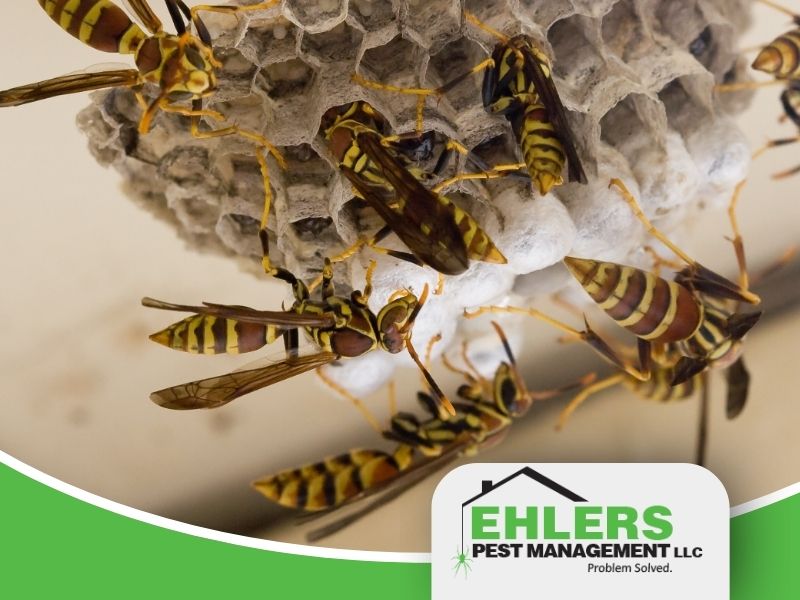
May is also when stinging insect activity begins to increase. Early nests started by queens in spring are growing, even if they’re not yet noticeable. Seeing increased insect traffic around siding, eaves, or ground areas may signal nesting locations that will become more active and aggressive later in the season.

Moisture plays a major role during this time of year. Spring rain combined with warming temperatures creates ideal conditions for many pests. Damp soil, clogged gutters, and shaded areas near foundations can attract insects and encourage nesting close to the home.

What makes May especially important is timing. Pest populations are still manageable, but they’re building momentum. Addressing issues now is far easier than trying to control peak activity during summer months when pests are more numerous and widespread.

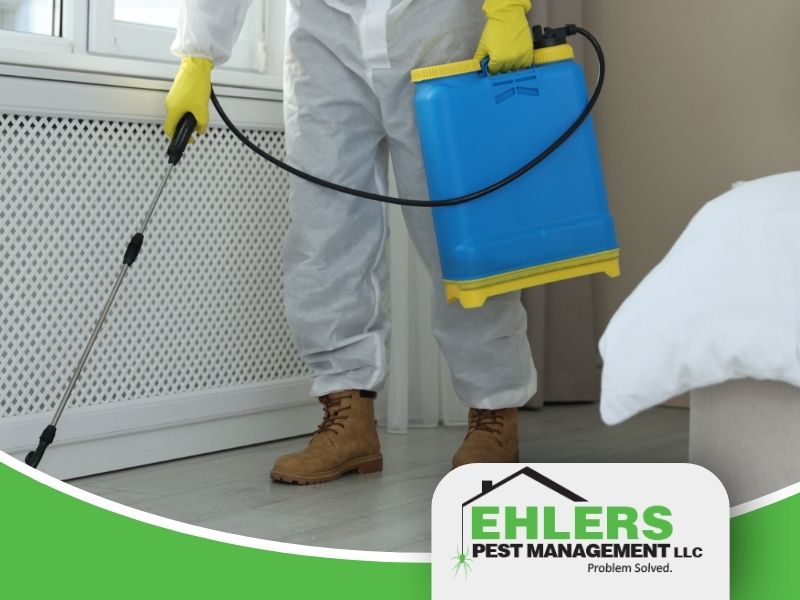
Preventative pest control in May focuses on limiting growth rather than reacting to infestations. Sealing entry points, managing moisture, and addressing early signs of activity can significantly reduce summer problems.

May pest activity isn’t just a seasonal nuisance—it’s an early warning system. Paying attention now helps homeowners avoid bigger, more disruptive pest issues as summer approaches.

Categories Ants

Ants in Your Kitchen? Here’s What It Really Means

“ants in kitchen Milwaukee gathering around food source near countertop surface”

If you’ve spotted ants in your kitchen in Milwaukee, you’re not dealing with a random straggler. You’re looking at the first sign of a much bigger problem nearby.

It’s easy to wipe them up and move on. But if they keep coming back, there’s a reason. Here’s what’s actually happening inside your home, and what to do about it before it gets worse.

Why You’re Seeing Ants in Your Kitchen

Ants don’t wander indoors by accident. When a single ant finds its way into your kitchen, it’s scouting on behalf of a colony that could number in the thousands. If it finds food or moisture, it leaves an invisible chemical trail for others to follow.

By the time you notice a line of ants moving across your counter or floor, the scouting phase is already over. The colony has decided your kitchen is worth exploiting — and they’ll keep coming back until something changes.

What One Ant Is Actually Telling You

Ant activity in your kitchen usually points to three things:

  • A colony is nearby. Ants don’t travel far. If they’re in your kitchen, the nest is likely in your walls, under your foundation, or close to the exterior of your home.
  • They’ve found a food or moisture source. Grease behind the stove, a drip under the sink, crumbs in a cabinet corner — ants don’t need much.
  • There’s an entry point they’ve found and are using. Gaps around pipes, cracks in the foundation, or unsealed windows are common access points.

None of these problems fix themselves. The trail gets reinforced every time an ant makes it back to the colony successfully.

Why Milwaukee Homes See More Ants in Spring and Summer

Ant activity in Southeastern Wisconsin spikes between May and August. Colonies expand in warmer months, and heavy spring rains push nests toward higher, drier ground — which often means toward your foundation and into your home.

The two most common species we see in Milwaukee kitchens are pavement ants (small, dark, usually near baseboards or under appliances) and odorous house ants (they emit a blue-cheese smell when crushed). Both are persistent. Neither goes away without treatment.

Why DIY Treatments Often Make It Worse

Store-bought sprays are the first thing most homeowners reach for — and they make sense in the moment. You kill what you can see, and the problem appears to go away.

Then they’re back.

Contact sprays don’t reach the colony. The queen keeps laying eggs, foragers keep following the trail, and the cycle continues. Worse, spraying can cause some colonies to “bud” — splitting into multiple satellite colonies and spreading the infestation further.

Bait traps are more effective because they let ants carry the product back to the nest. But using the wrong bait formulation for the wrong species, or placing it incorrectly, dramatically reduces effectiveness. Getting it right requires knowing what you’re actually dealing with.

When to Call an Ant Exterminator in Milwaukee

If you’ve seen ants more than once in the same area, tried a treatment that didn’t hold, or noticed activity in multiple rooms, it’s time to bring in a professional. A trained technician can:

  • Identify the species and locate likely entry points
  • Apply targeted treatment that addresses the colony, not just the foragers
  • Recommend a prevention plan so it doesn’t come back next season

Don’t Let a Few Ants Turn Into a Season-Long Problem

Ant problems are significantly easier to resolve when they’re caught early. A small infestation today can become a well-established, harder-to-treat problem by midsummer.

If you’re seeing ants in your kitchen — even just a few — Ehlers Pest Management can help. We serve homeowners across Milwaukee and Southeastern Wisconsin with straightforward, effective pest control. Schedule your inspection today.


Frequently Asked Questions

Why do I keep getting ants in my kitchen even after cleaning? Cleanliness helps, but it’s rarely the whole solution. If a colony is established nearby, foragers will keep exploring your kitchen looking for any available food or moisture. Cleaning removes the attractant, but it doesn’t address the colony or close entry points.

Are ants in my kitchen dangerous? Most ant species in Milwaukee homes aren’t dangerous, but they can contaminate food and, in the case of carpenter ants, cause structural damage over time. The bigger concern is that a small ant problem rarely stays small.

What time of year are ants worst in Milwaukee? Spring through late summer — roughly May through August — is peak ant season in Southeastern Wisconsin. Activity typically decreases as temperatures drop in the fall.

How do I know if I have a serious ant infestation? Signs include seeing ants regularly in the same areas, noticing trails along baseboards or behind appliances, or finding ants in multiple rooms. If DIY treatments haven’t worked after a week or two, it’s time to call a professional.

Categories Uncategorized

Yellowjacket Season Starts Earlier Than You Think in Wisconsin

Many Wisconsin homeowners associate yellowjackets with late summer picnics and fall yard work. While peak activity does happen later in the season, yellowjacket problems actually begin much earlier—often before most people realize it.

In Wisconsin, yellowjacket season typically starts in spring. As temperatures rise and snow melts, overwintered queens emerge from protected areas such as soil, wall voids, or fallen logs. These queens immediately begin searching for nesting sites, often choosing locations close to human activity, including wall cavities, attics, sheds, and underground spaces near foundations.

During early spring, yellowjackets are easy to miss. Activity is minimal at first because colonies are just getting established. A single queen builds the initial nest and begins laying eggs, gradually growing the population. Because numbers are low early on, homeowners rarely notice a problem at this stage.

As spring turns into early summer, the colony grows rapidly. Worker yellowjackets emerge and begin foraging for food, which is usually when homeowners first become aware of their presence. By then, nests are already established and far more difficult to manage.

Wisconsin’s spring weather plays a role in early yellowjacket activity. Mild winters and early warm spells allow queens to emerge sooner and begin nesting earlier than expected. Properties with sheltered areas, ground voids, or older structures may be especially attractive nesting locations.

Another reason yellowjacket season feels sudden is behavior change. Early in the season, yellowjackets focus on building the colony. Later, as populations increase, they become more aggressive while defending their nest and searching for food. This is when stings become more common.

Early awareness makes a big difference. Identifying and addressing nesting activity in spring can prevent large colonies from developing later in summer. Preventative pest control focuses on monitoring, reducing nesting opportunities, and addressing early activity before it escalates.

Yellowjacket season doesn’t start when stings start—it starts when queens begin nesting. Recognizing that spring is the beginning of yellowjacket activity helps homeowners take proactive steps and avoid more serious problems as the season progresses.

Categories DIY vs. Professional Pest Control, Spiders

Spider Control in Milwaukee: When to DIY and When to Call a Pro

“spider control Milwaukee addressing spider web and active spider near home exterior

Finding a spider in your Milwaukee home isn’t unusual — and in most cases, it’s not an emergency. But spider control in Milwaukee is one of those topics where the right answer depends heavily on what you’re dealing with. Some spiders are harmless and easy to manage on your own. Others are a signal that something bigger is going on.

Here’s how to tell the difference — and what to do about it.

Common Spiders in Milwaukee Homes

Most spiders you’ll encounter in Southeastern Wisconsin are nuisance pests, not health threats. Knowing what you’re looking at helps you make a smarter decision about how to respond.

Common house spiders are the small, brownish spiders that build messy webs in corners, basements, and garages. They’re harmless and actually beneficial — they catch other insects. But most homeowners would rather not share their living space with them.

Cellar spiders (often called daddy longlegs) are long-legged, pale spiders that favor dark, damp areas like basements and crawl spaces. Harmless, but a sign that your lower levels may have moisture issues worth addressing.

Wolf spiders are larger, fast-moving, and alarming to encounter — but they don’t build webs and they’re not aggressive. Finding wolf spiders indoors usually means they followed prey inside or came in seeking warmth.

Brown recluse spiders are the one species Milwaukee homeowners should take seriously. Though less common in Wisconsin than in states further south, they do appear — typically in undisturbed areas like storage boxes, closets, and basements. Their bite can cause significant tissue damage and warrants medical attention.

If you’re unsure what you’re dealing with, don’t handle it. Photograph it and call a professional.

When DIY Spider Control Makes Sense

For common house spiders, cellar spiders, and the occasional wolf spider, a DIY approach is reasonable. Here’s what actually works:

  • Remove webs regularly. A vacuum or broom removes webs and egg sacs before they hatch. Consistency matters — disrupting web-building discourages spiders from settling in.
  • Reduce clutter. Spiders favor undisturbed areas with plenty of hiding spots. Decluttering basements, garages, and storage areas removes the habitat they prefer.
  • Seal entry points. Gaps around windows, doors, and utility penetrations are common entry points. Weatherstripping and caulk go a long way.
  • Address moisture issues. Damp basements and crawl spaces attract the insects spiders feed on — and the spiders follow. A dehumidifier and basic moisture control reduces the food source.
  • Exterior perimeter treatment. Over-the-counter residual sprays applied around the foundation, windows, and entry points can reduce spider activity — though effectiveness varies by product and application.

For minor, isolated spider problems, these steps combined are usually sufficient.

When to Call a Spider Exterminator in Milwaukee

There are situations where professional spider exterminator services in Milwaukee are the right call:

  • You’re seeing large numbers of spiders across multiple areas of your home. A significant spider population usually means there’s a significant insect population feeding them — which is a broader pest problem worth addressing professionally.
  • You’ve found or suspect brown recluse spiders. Proper identification and targeted treatment requires professional expertise.
  • DIY treatments haven’t worked. If you’ve tried the steps above consistently and activity persists, a professional can identify why and apply more targeted solutions.
  • Spiders keep returning every season. Recurring spider problems often point to underlying conditions — moisture, entry points, or a prey insect population — that benefit from a comprehensive inspection and treatment plan.

Spiders Are Usually a Symptom, Not the Problem

This is the part most homeowners don’t consider: a high spider population inside your home usually means there’s a healthy insect population to support it. Spiders go where the food is.

If you’re seeing more spiders than usual, it’s worth asking what else might be going on. A professional inspection can identify whether you’re dealing with an isolated spider issue or a broader pest situation that’s attracting them.

Don’t Let a Minor Nuisance Become a Bigger Problem

Most spider encounters in Milwaukee homes are nothing to lose sleep over. But persistent activity, unidentified species, or spiders appearing throughout your home are all reasons to bring in a professional.

Ehlers Pest Management provides spider control in Milwaukee and across Southeastern Wisconsin. We’ll identify what you’re dealing with, address the root cause, and make sure it doesn’t keep coming back. Schedule your inspection today.


Frequently Asked Questions

Are there dangerous spiders in Milwaukee?

The brown recluse is the spider of greatest concern in Wisconsin, though sightings are less common here than in states further south. The northern black widow has also been documented in the state. If you find a spider you can’t identify, don’t handle it — photograph it and contact a professional.

Why do I suddenly have so many spiders in my house?

Sudden increases in spider activity are usually tied to seasonal changes — spiders move indoors in fall seeking warmth — or to an increase in the insect population they’re feeding on. Either way, it’s worth investigating what’s attracting them.

Does killing spiders make more come?

No — that’s a myth. Spiders are attracted to food sources and shelter, not to the presence of other spiders. Removing spiders you find won’t draw more in.

What smell do spiders hate?

Peppermint oil is frequently cited as a spider deterrent, and there is some evidence it has a mild repellent effect. However, it’s not a reliable treatment for an established spider problem and shouldn’t replace more effective control measures.

How do I keep spiders out of my basement?

Reduce clutter, address moisture, seal gaps around windows and utility penetrations, and treat the perimeter regularly. If basement spiders are persistent, a professional inspection can identify what’s attracting them and recommend targeted treatment.

Categories Uncategorized

Why Preventative Pest Control Works Best Before Peak Spring Activity

Spring is when many homeowners start noticing pest activity, but by the time pests are visible, they’re often already established. That’s why preventative pest control is most effective when it’s done before peak spring activity begins.

As winter ends, pests don’t suddenly appear—they transition. Rodents that entered homes during winter remain active, while insects begin emerging as temperatures rise and moisture increases. Early spring provides the perfect conditions for pests to expand their activity quietly before becoming noticeable.

Preventative pest control focuses on stopping problems before they grow. Instead of reacting to visible pests, early treatments target entry points, nesting areas, and conditions that attract pests. This includes sealing small gaps created by winter freeze–thaw cycles, addressing moisture around foundations, and reducing food sources that pests rely on.

One of the biggest advantages of early prevention is population control. Ant colonies, rodents, and other pests reproduce more rapidly once spring conditions stabilize. Addressing activity before breeding increases helps prevent small issues from becoming widespread problems later in the season.

Another benefit is reduced damage. Rodents can chew on insulation and wiring, while insects can contaminate storage areas and living spaces. Preventative service limits how long pests have access to these areas, reducing the risk of costly repairs.

Timing also matters for effectiveness. Early spring treatments take advantage of predictable pest behavior, allowing control measures to work more efficiently. When pests are just becoming active, they’re easier to manage than during peak summer months.

For homeowners, preventative pest control means fewer surprises, less stress, and more consistent protection throughout the year. It also supports a healthier living environment by reducing pest-related contamination and indoor activity.

Waiting until pests become a nuisance often means playing catch-up. Starting preventative pest control before peak spring activity helps keep homes protected as the season progresses and makes pest management simpler and more effective overall.