Categories Pest Control Costs & Planning

How Much Does Pest Control Cost in Milwaukee? (Honest Breakdown)

pest control cost Milwaukee example showing rodent droppings on floor in residential home

If you’re searching for pest control cost in Milwaukee, you’ve probably already noticed that prices vary wildly depending on who you ask. Some companies won’t give you a number until they’re standing in your living room. Others quote a low price upfront and load on fees later.

This post breaks it down honestly — what pest control typically costs in the Milwaukee area, what drives the price up or down, and how to make sure you’re getting actual value for what you pay.

What Affects Pest Control Pricing

No two pest problems are identical, which is why quotes vary. Here are the factors that most directly impact what you’ll pay:

  • Type of pest. Ant treatment and spider control are generally straightforward. Bed bugs, termites, and carpenter ants are more complex and more expensive to treat.
  • Severity of the infestation. A minor early-stage problem costs significantly less to resolve than an established infestation that requires multiple treatments.
  • Size of your home. Larger homes require more product and more time, which affects pricing.
  • Treatment method. Chemical treatments, heat treatments, and baiting systems all carry different costs.
  • One-time vs. ongoing service. A single treatment is typically less expensive upfront but may cost more over time if the problem returns. Recurring service plans offer better long-term value for most homeowners.

Typical Pest Control Costs in Milwaukee

While every situation is different, here are general ranges you can expect from a reputable exterminator in the Milwaukee area:

  • Initial inspection: Free to $75, depending on the company
  • One-time general pest treatment: $150–$300
  • Ant or spider treatment: $100–$250
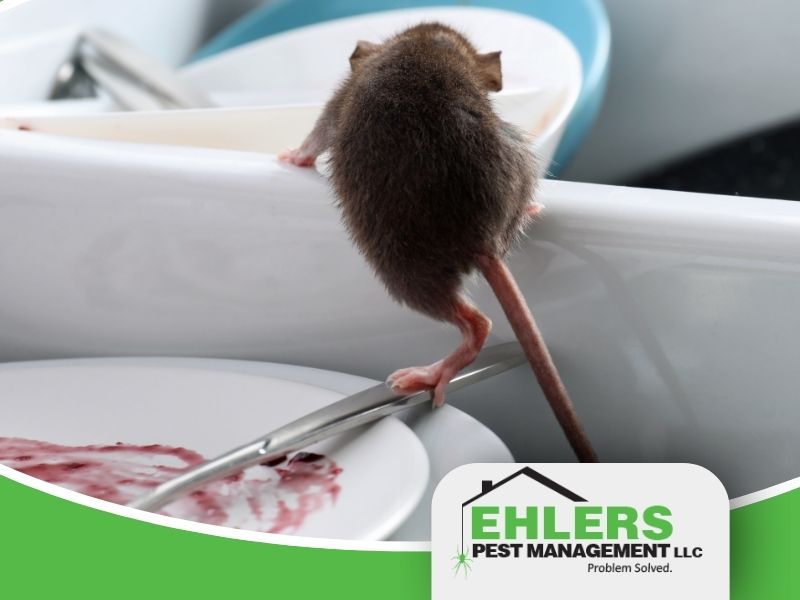
  • Rodent control (mice or rats): $200–$500, depending on extent
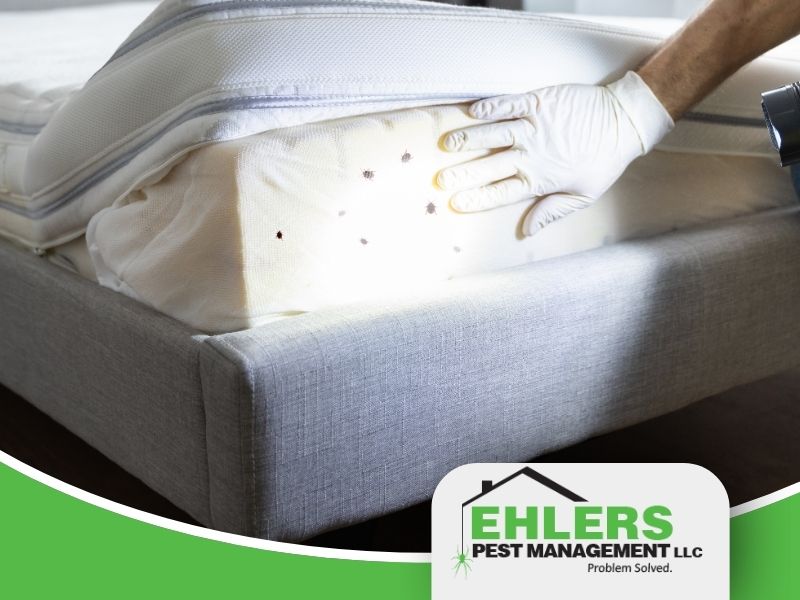
  • Bed bug treatment: $500–$1,500+ depending on method and severity
  • Recurring quarterly service plan: $300–$600 per year

These are honest market ranges — not lowball numbers designed to get you on the phone. Actual pricing depends on your specific situation, and any company that gives you a firm quote without seeing your home first is guessing.

One-Time Treatment vs. a Service Plan: Which Makes More Sense?

This is the question most Milwaukee homeowners wrestle with, and the answer depends on your situation.

One-time treatment makes sense if:

  • You have a single, isolated pest issue
  • The infestation is minor and caught early
  • You’ve had no recurring pest problems in previous years

A recurring service plan makes more sense if:

  • You’ve dealt with pests more than once in the same season
  • You want to prevent problems before they start
  • You have conditions that make your home attractive to pests (mature trees, older construction, a crawl space, proximity to wooded areas)

For most Milwaukee homeowners, a seasonal or quarterly plan delivers better value than repeated one-time treatments — especially given how active pest seasons are in Southeastern Wisconsin. You’re not just paying for treatment; you’re paying to prevent the next problem before it shows up.

What to Watch Out for When Comparing Exterminator Prices in Milwaukee

Not all quotes are created equal. When you’re comparing exterminator prices in Milwaukee, keep an eye out for:

  • Low introductory rates with automatic renewals. Some national chains lure customers in with discounted first treatments, then lock them into annual contracts with significant cancellation fees.
  • Vague scope of service. Make sure you understand exactly what pests are covered, how many visits are included, and what happens if the problem returns between treatments.
  • No guarantee. A reputable pest control company should stand behind their work. If treatment doesn’t resolve the issue, they should return at no additional charge.
  • High-pressure upsells. If a technician is pushing additional services aggressively before they’ve even assessed your situation, that’s a red flag.

What You’re Actually Paying For

Price matters, but it’s not the only thing that matters. When you hire a pest control company, you’re paying for:

  • Accurate identification. The wrong treatment for the wrong pest is money wasted.
  • Targeted application. Professional-grade products applied correctly are significantly more effective than anything available at retail.
  • Experience with local pest patterns. A company that knows Southeastern Wisconsin knows which pests are active, when, and why — and that knowledge translates directly into better results.
  • Follow-through. If the problem isn’t resolved, a good company comes back.

Get a Straight Answer Before You Commit

At Ehlers Pest Management, we believe in transparent pricing — no surprise fees, no pressure, no runaround. We’ll tell you exactly what you’re dealing with, what it will take to fix it, and what it costs before any work begins.

If you’re dealing with a pest problem in the Milwaukee area and want an honest assessment, schedule your inspection today.


Frequently Asked Questions

Is pest control worth the cost?

In most cases, yes — especially when you factor in the cost of damage, contamination, or repeated DIY treatments that don’t fully resolve the problem. Professional pest control addresses the source of the issue, not just the symptoms.

How often should I have my home treated for pests in Milwaukee?

For most homeowners, quarterly service provides the best protection across Wisconsin’s active pest seasons. Some homes with higher pest pressure may benefit from monthly or bi-monthly visits during peak season.

Do I have to leave my home during pest control treatment?

It depends on the treatment type. Many standard treatments require only a brief window — typically 1–2 hours — before it’s safe to return. Your technician will give you specific guidance before any work begins.

Why are bed bug treatments so much more expensive?

Bed bugs are one of the most difficult pests to eliminate. They hide in hard-to-reach areas, reproduce quickly, and require either thorough chemical treatment or heat treatment across the entire affected space. The cost reflects the complexity and labor involved.

Categories Uncategorized

Why Pet-Safe Pest Control Matters More in Spring and Summer

Spring and summer bring longer days, open windows, and more time spent outdoors with pets. Unfortunately, these warmer months also mark peak pest activity. As ants, rodents, and stinging insects become more active, many homeowners turn to pest control—making pet-safe practices more important than ever.

During spring and summer, pets are exposed to treated areas more frequently. Dogs and cats explore yards, rest on patios, and move freely between indoors and outdoors. This increased contact means pest control methods must be carefully chosen to reduce risk while still being effective.

Pests are also more active during this time, which can lead to repeated treatments if problems aren’t handled preventatively. Without pet-safe approaches, frequent applications may increase the chance of exposure. That’s why spring and summer pest control should focus on targeted, thoughtful solutions rather than broad or unnecessary treatments.

Another factor is behavior. Pets are naturally curious and may sniff, lick, or roll in areas where pests travel. Treatments around entry points, baseboards, or landscaping need to be applied with this in mind. Pet-safe pest control prioritizes precision—addressing pests where they live and travel, while minimizing contact with pets.

Spring moisture and summer heat also create conditions that attract pests close to homes. Ants, spiders, and rodents often follow food and water sources indoors. Addressing these issues early with preventative, pet-conscious methods helps reduce the need for more aggressive solutions later in the season.

Pet-safe pest control isn’t about doing less—it’s about doing things the right way. This includes proper product selection, accurate application, and clear communication with homeowners about when treated areas are safe to access. It also emphasizes exclusion, sanitation, and habitat reduction to limit pest activity naturally.

For pet owners, peace of mind matters. Knowing your home is protected from pests without putting pets at risk makes it easier to enjoy the warmer months. Preventative, pet-safe pest control supports a healthier home environment while keeping furry family members safe.

Spring and summer should be about enjoying time outside—not worrying about pests or pet safety. Choosing pet-safe pest control helps ensure both stay under control all season long.

Categories Ants

How to Get Rid of Ants in Your Kitchen Fast (Without Making It Worse)

ants clustering along kitchen surface near cabinet showing how to get rid of ants in kitchen

If you’re trying to figure out how to get rid of ants in your kitchen, you’ve probably already tried a few things — and you’re still seeing them. Here’s what actually works, what commonly backfires, and when it’s time to stop troubleshooting and call a professional.

Why Ants Keep Coming Back

Before jumping to solutions, it helps to understand why over-the-counter treatments so often fail. Ants in your kitchen are foragers — workers sent out by a colony that could be thousands strong, living in your walls, under your foundation, or in the soil just outside your home.

When you spray the ants you can see, you’re eliminating foragers. The colony is untouched. Within days, new foragers follow the same chemical trail right back to your kitchen. Until you address the colony itself, the cycle continues.

What Actually Works (And What Doesn’t)

Contact Sprays — Limited Effectiveness

Store-bought sprays kill ants on contact, which is satisfying in the moment. The problem is they don’t reach the queen or the nest. Worse, some species respond to contact sprays by “budding” — splitting into multiple satellite colonies and spreading the infestation further into your home.

Use contact spray only to interrupt activity temporarily, never as a primary solution.

Bait Traps — More Effective, But Tricky

Ant bait is a better approach because foragers carry the active ingredient back to the colony, eventually killing the queen and collapsing the nest. But effectiveness depends on:

  • Using the right bait type. Different ant species are attracted to different food sources — some prefer sugar-based bait, others protein-based. Using the wrong one means ants ignore it entirely.
  • Placement. Bait needs to go along active trails, not in random locations. And it needs to be left alone — cleaning around it or moving it breaks the process.
  • Patience. Bait takes time. If you’re expecting overnight results, you’ll pull it too soon.

Cleaning and Exclusion — Essential, But Not Enough Alone

Removing food sources and moisture is critical — but it doesn’t eliminate a colony that’s already established. Think of it as making your kitchen less attractive going forward, not as a treatment for the current problem.

Seal gaps around pipes, fix any dripping faucets, store food in airtight containers, and clean behind appliances where grease and crumbs accumulate. These steps support treatment — they don’t replace it.

Step-by-Step: How to Get Rid of Ants in Your Kitchen

If you want to take a DIY approach before calling a professional, here’s the most effective sequence:

  1. Identify the species if possible. Small dark ants near baseboards are likely pavement ants. Ants that smell like blue cheese when crushed are odorous house ants. Both are common in Milwaukee homes and respond differently to treatment.
  2. Don’t spray. Resist the urge to reach for the can. It disrupts bait placement and can cause colony splitting.
  3. Place bait along active trails. Use a gel bait near where you’re seeing activity and leave it alone for several days.
  4. Eliminate attractants. Clean thoroughly behind and under appliances, fix any moisture issues, and seal food.
  5. Seal entry points. Caulk gaps around pipes and baseboards where ants are entering.
  6. Wait and monitor. Bait takes 1–2 weeks to work through a colony. Increased activity near the bait initially is actually a good sign — more foragers are carrying it back.

When to Call a Professional for Ant Control in Milwaukee

DIY methods work for minor, early-stage ant problems. But there are situations where professional ant control in Milwaukee is the right call:

  • You’ve tried bait and the problem persists after two weeks
  • You’re seeing ants in multiple rooms or areas of the home
  • You’ve identified or suspect carpenter ants (larger, often near wood or moisture damage)
  • The infestation returns every season despite treatment

A professional can accurately identify the species, locate the colony, and apply targeted treatment that addresses the problem at the source — not just the foragers you can see.

Stop the Cycle for Good

Ant problems in Milwaukee kitchens are extremely common — and very manageable when handled correctly. The key is addressing the colony, not just the symptoms.

If DIY hasn’t worked or you’d rather not troubleshoot it yourself, Ehlers Pest Management is here to help. We provide straightforward ant control in Milwaukee and across Southeastern Wisconsin.

Schedule your inspection today.


Frequently Asked Questions

Why are there more ants in my kitchen after I sprayed?

Spraying can cause certain ant species to bud — splitting the colony into multiple groups that scatter to new locations. This is one of the most common reasons ant problems get worse after contact spray treatment.

How long does ant bait take to work? Most ant baits take 1–2 weeks to work through a colony fully. You may see increased ant activity near the bait at first, which means foragers are actively taking it back to the nest.

What is the fastest way to get rid of ants in the kitchen?

The fastest permanent solution is professional treatment, which combines accurate species identification, targeted colony treatment, and entry point sealing. DIY bait is the most effective home approach but requires patience.

Do ants in the kitchen mean my house is dirty?

Not necessarily. Ants are opportunists — even a clean kitchen can attract them if there’s a moisture source, a gap in the foundation, or a colony nearby that’s actively foraging. Cleanliness helps reduce attractants but doesn’t prevent foraging activity on its own.

Categories Uncategorized

Spring Rains and Pest Problems: What Milwaukee Homeowners Should Expect

Spring in Milwaukee brings welcome signs of warmer weather, but it also brings increased rainfall. While spring rains help lawns and gardens recover after winter, they can also create ideal conditions for pest activity around homes.

Moisture is one of the biggest drivers of spring pest problems. As snow melts and rain saturates the ground, excess water builds up around foundations, window wells, and basement walls. Many pests are drawn to damp environments, and spring rains often push them closer to structures in search of shelter and stable conditions.

Ants are among the first pests homeowners notice after heavy rain. Saturated soil can flood outdoor nests, forcing ants to relocate. Cracks around foundations, gaps near doors, and utility entry points become convenient pathways indoors. Once ants find food or moisture, trails can form quickly.

Rodents are also affected by spring rain. Burrows can become waterlogged, encouraging mice to move toward higher, drier ground—including garages, basements, and crawl spaces. Homes that experienced winter mouse activity may see increased movement as spring conditions allow rodents to travel more freely.

Spring rains can also expose hidden vulnerabilities in a home. Water intrusion highlights cracks formed during winter freeze–thaw cycles, creating new entry points for pests. Poor drainage, clogged gutters, and standing water near the foundation increase the risk of ongoing pest pressure.

Another challenge is visibility. Rain can drive pests indoors suddenly, leading to unexpected sightings that feel like they came out of nowhere. In reality, the activity was already developing and is simply being revealed by changing conditions.

Milwaukee homeowners can reduce spring pest problems by managing moisture early. Ensuring proper drainage, sealing foundation gaps, repairing damaged screens, and keeping gutters clear all help limit pest access. Addressing issues early in spring makes it easier to prevent larger infestations as temperatures rise.

Spring rain is unavoidable, but pest problems don’t have to be. Understanding how moisture affects pest behavior helps homeowners take proactive steps and enjoy the season without unwanted surprises.

Categories Rodents

Signs of Mice in Your Walls: What Wisconsin Homeowners Need to Know

mouse on floor near wall highlighting signs of mice in walls inside home

If you’re hearing scratching sounds coming from inside your walls, there’s a good chance you already know what’s causing it — you just don’t want it to be true. Recognizing the signs of mice in walls early is one of the most important things a Wisconsin homeowner can do before a small problem becomes a serious one.

Here’s what to look for, what it means, and when to act.

Why Mice Head Indoors in Wisconsin

Wisconsin winters push mice to seek warmth, shelter, and food — and your home offers all three. Mice can squeeze through a gap as small as a dime, and once one finds a way in, others follow. House mice and deer mice are the most common species in Southeastern Wisconsin homes, and both are capable of nesting inside wall cavities, insulation, and crawl spaces where they’re almost never seen directly.

That’s what makes them tricky. By the time most homeowners realize they have a problem, a small entry has already become an established route — and a pair of mice has already become a lot more.

Signs of Mice in Your Walls

You’re unlikely to see mice directly, especially during the day. What you’ll notice are the signals they leave behind:

  • Scratching or scurrying sounds — Most active at night, mice move through wall cavities, across ceilings, and behind baseboards. If you hear it after the house settles down for the evening, take it seriously.
  • Droppings near baseboards or in cabinets — Small, dark, and pellet-shaped. Fresh droppings are soft; older ones dry out and crumble. Either way, they indicate active or recent activity.
  • Gnaw marks on wood, drywall, or food packaging — Mice gnaw constantly to keep their teeth worn down. Look for chewed corners on boxes, baseboards, or structural wood near the floor.
  • Grease marks along walls — Mice travel the same routes repeatedly and leave oily smudge marks along baseboards and walls from the oils in their fur.
  • A musty, ammonia-like odor — Mouse urine has a distinctive smell that becomes more noticeable in enclosed spaces like cabinets, closets, or utility rooms.
  • Pet behavior changes — Dogs and cats often detect rodents before humans do. If your pet is fixating on a wall, cabinet, or corner of the room for no obvious reason, trust their instincts.

Why One Mouse Means More

This is the part most homeowners underestimate. Mice reproduce rapidly — a single female can produce 5 to 10 litters per year, with 5 to 6 pups per litter. A couple of mice that find their way into your home in October can become dozens by spring.

Mice also rarely travel alone. If one has found a reliable food source and a safe nesting spot, others will follow the same scent trails. Seeing or hearing one mouse is almost never the whole picture.

The Risks Beyond the Nuisance

Mice aren’t just unpleasant to think about — they create real problems inside your home:

  • Structural damage from gnawing on insulation, wood framing, and electrical wiring (a leading cause of house fires)
  • Contamination of food, countertops, and stored items through droppings and urine
  • Health risks from pathogens carried in droppings, including salmonella and hantavirus

This is why rodent control in Milwaukee homes is something we take seriously — and why waiting to see if the problem resolves on its own is rarely a good strategy.

What to Do If You’re Seeing the Signs

If you’ve noticed one or more of the signs above, here’s what to do:

  • Don’t ignore it. Activity doesn’t stop on its own once mice are established indoors.
  • Avoid using poison bait yourself. Rodenticide placed incorrectly can harm pets and children, and mice often die inside walls — creating odor and secondary pest problems.
  • Seal obvious entry points around pipes, dryer vents, and foundation gaps — but understand this alone won’t address mice already inside.
  • Call a professional. A trained technician can identify entry points, assess the extent of the infestation, and implement a targeted treatment plan.

Don’t Wait Until Spring to Deal With It

Mice don’t slow down once they’re inside. They nest, breed, and cause damage year-round in the warmth of your walls and attic spaces. The earlier you address it, the less damage gets done — and the simpler and less costly the solution.

If you’re hearing scratching in your walls or seeing any of the signs above, Ehlers Pest Management can help. We provide rodent control in Milwaukee and across Southeastern Wisconsin — straightforward, effective, and without the runaround.

Schedule your inspection today.


Frequently Asked Questions

How do I know if the scratching in my walls is mice or something else?

Mice are most active at night and produce light, rapid scratching or scurrying sounds. Squirrels are more likely to be heard during the day and in the attic. If you’re hearing sounds at night near baseboards or inside lower wall cavities, mice are the most likely culprit in a Wisconsin home.

Can mice in walls go away on their own?

Rarely. Once mice establish a nesting site and food source inside your home, they stay. Without intervention — sealing entry points and removing the existing population — the problem typically grows.

How long does it take to get rid of mice in walls?

It depends on the size of the infestation and the treatment method. A professional treatment plan typically produces noticeable results within one to two weeks, with follow-up to confirm the problem is fully resolved.

Is it dangerous to have mice in my walls?

Yes. Beyond the nuisance, mice chew through electrical wiring, contaminate surfaces with droppings and urine, and can carry pathogens that pose health risks to your family.